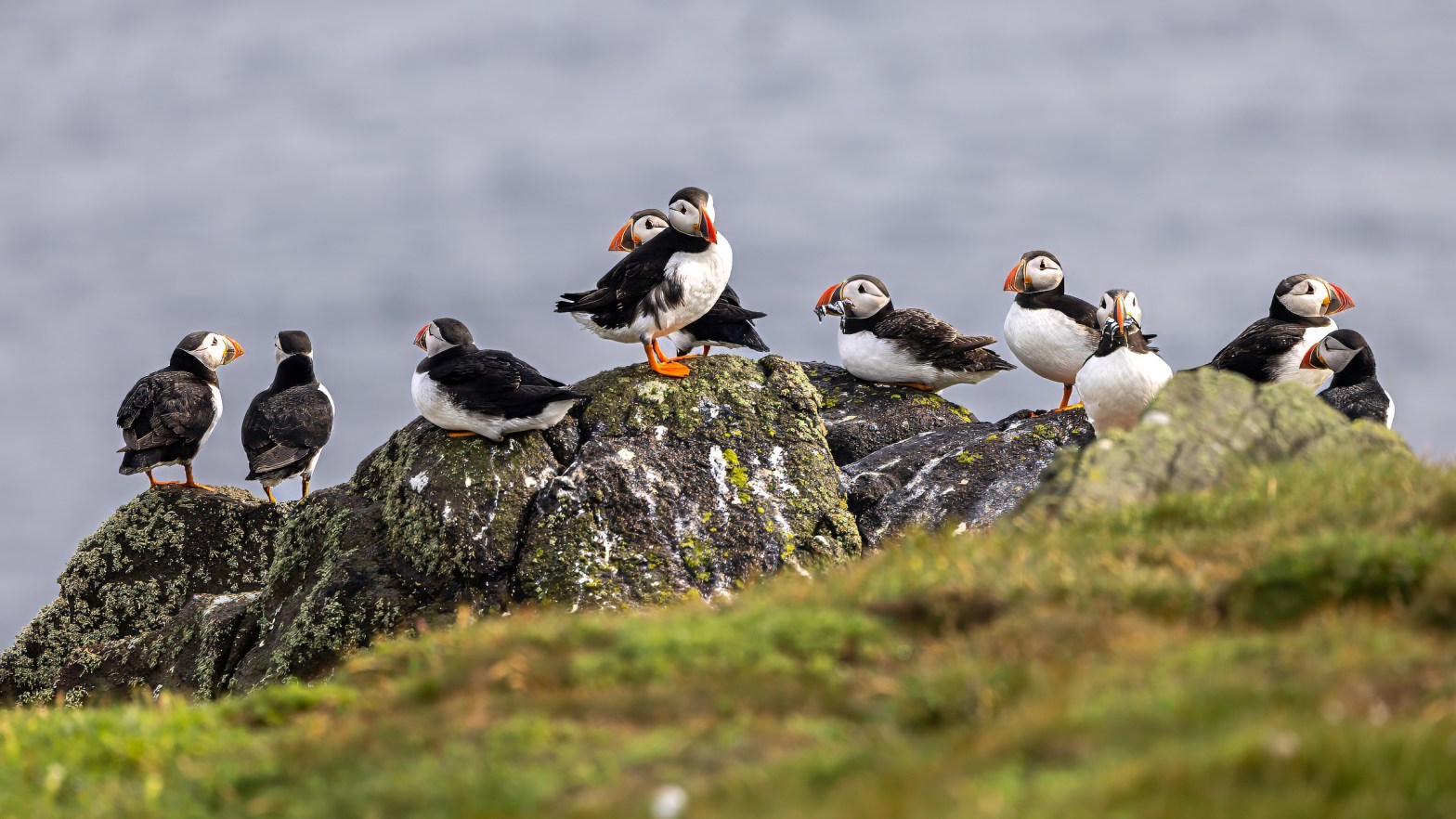
This weekend there was a joint trip with my local SOC group and the Stirling and District Camera Club. Being a member of both it seemed a good opportunity to make my almost annual visit to this lovely Island but making some new friendships at the same time.
I added a couple of year ticks before even leaving land with a passing Arctic Skua and a group of five Sandwich Terns at Fife Ness. The May Princess was packed on the way out and we didn’t get a great seat for photography on the boat. That said anticipation was building as the number of gulls and auks built as we approached the island. Soon enough we were passing the cliffs on the south side of the Isle of May and were pleased to see a male Peregrine Falcon perched atop the cliff to great us.
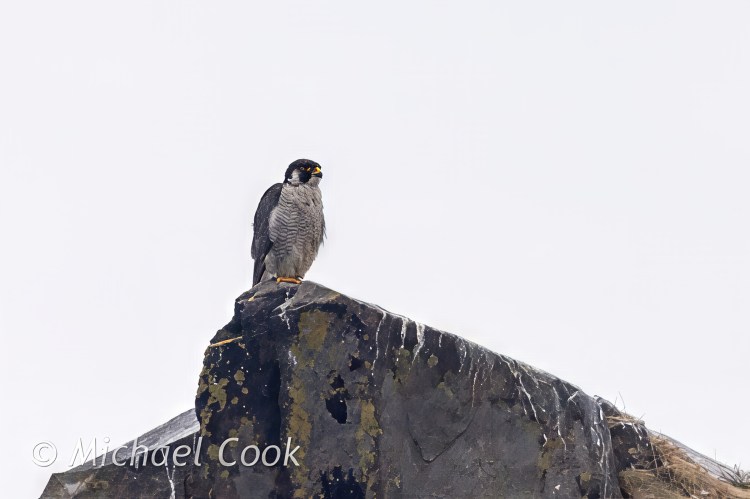
There are two traditional welcomes upon arriving on the May. The first is from the helpful staff reminding you not to leave the paths and crash through a puffin burrow. The second from the nesting Arctic Terns who dive bomb you as you cross their nesting grounds by the pier. Alas no terns this year a combination of a resident Short Eared Owl the previous year and the nesting Peregrines photographed above.
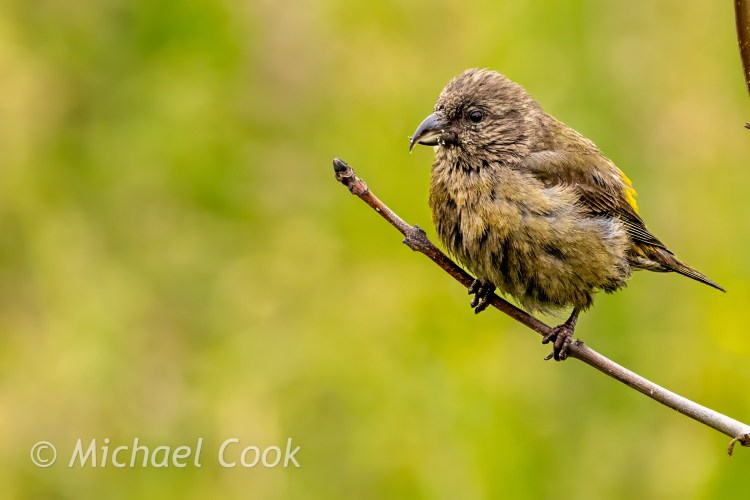
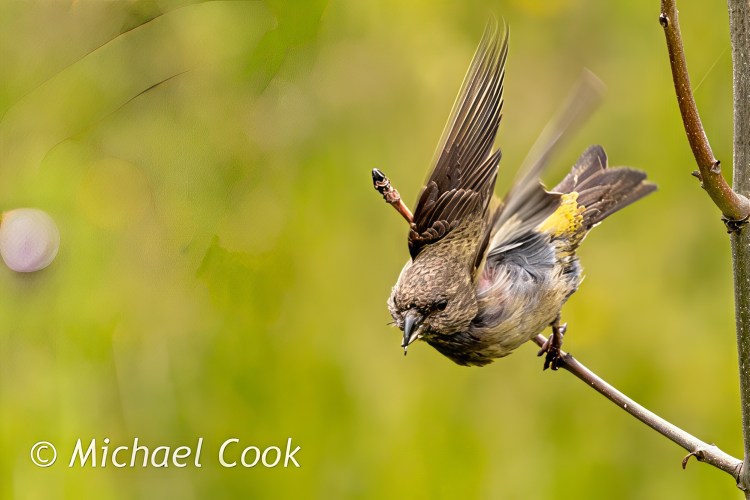
That said it was lovely to see the sky full of gulls and auks flying in all directions going about the busy business of bringing food to young or heading out into the sea to find it. We had heard some Crossbills were on the island so we headed up to the garden by the Main Lighthouse to see these first. We counted 5 altogether with one being an adult female and the rest being juvenile. Crossbills are early breeders and amazing that these youngsters were already heading out to sea.
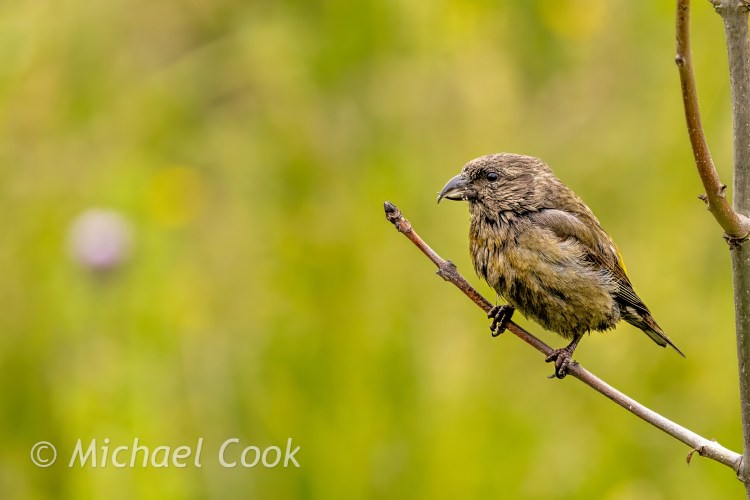
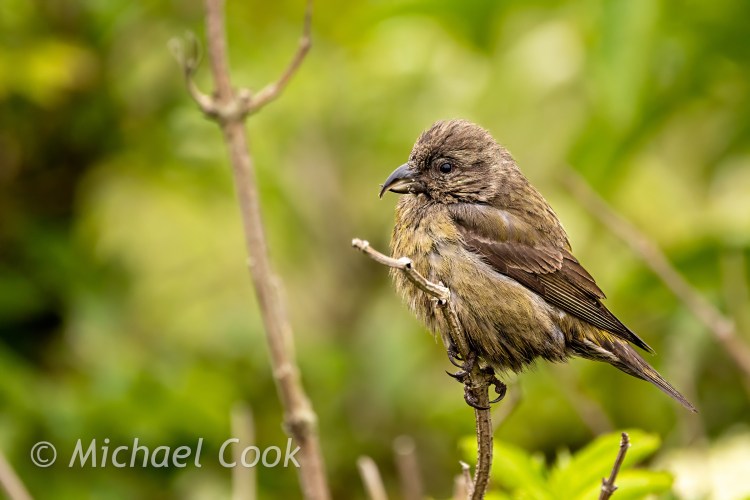
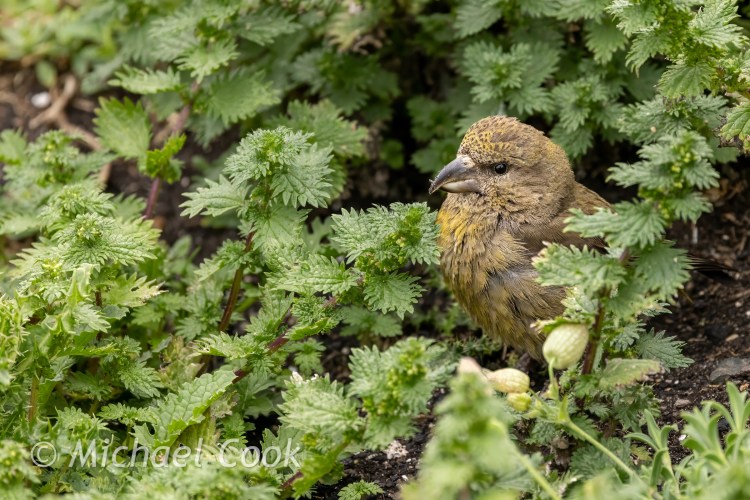
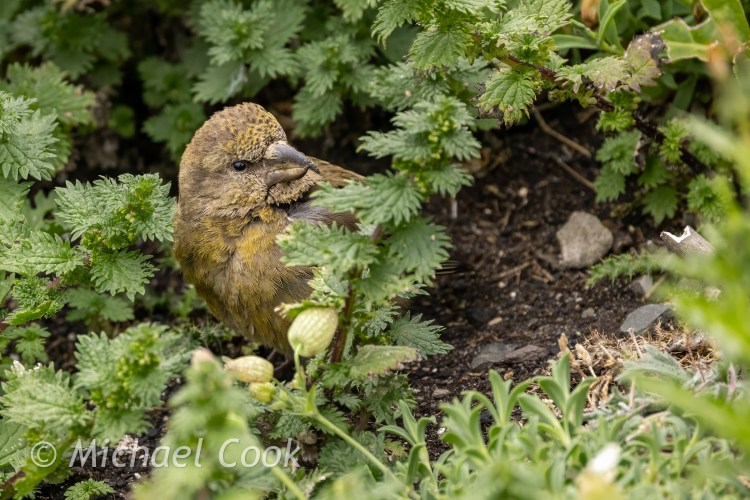
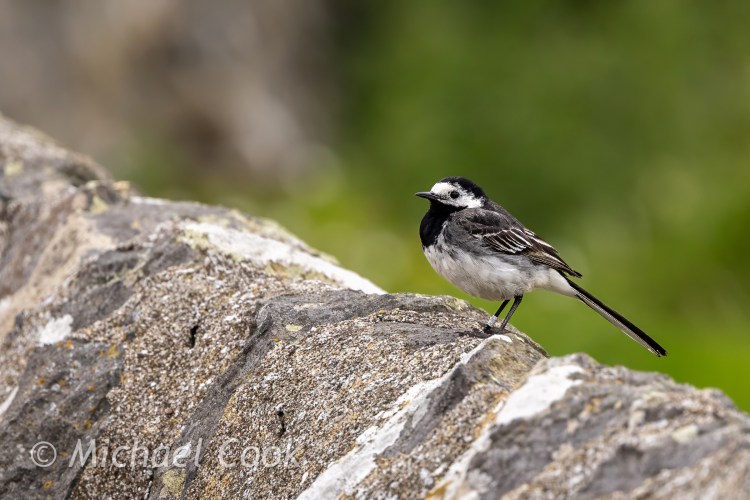
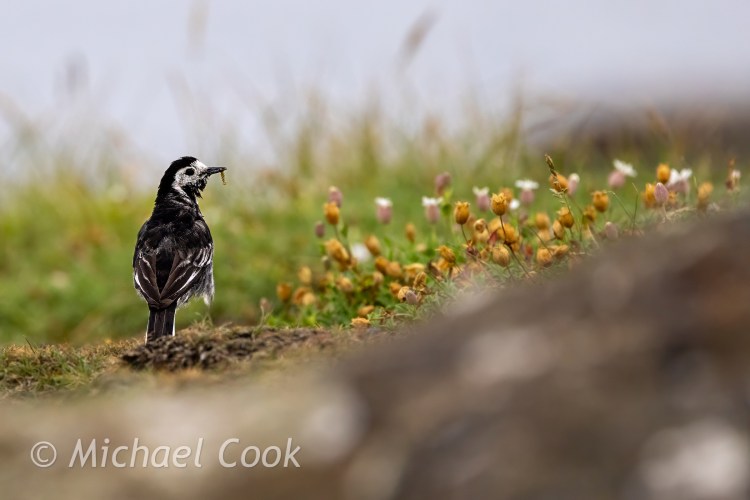
Next up we had a brief view of another young passerine a juvenile Wheatear followed by several Pied Wagtails.
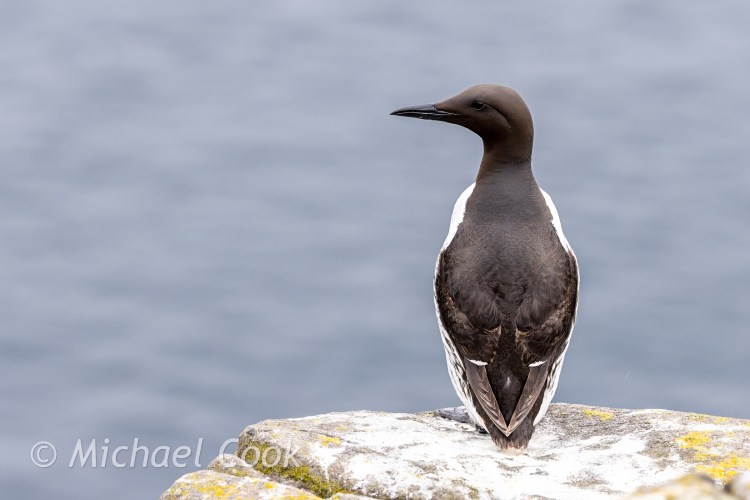
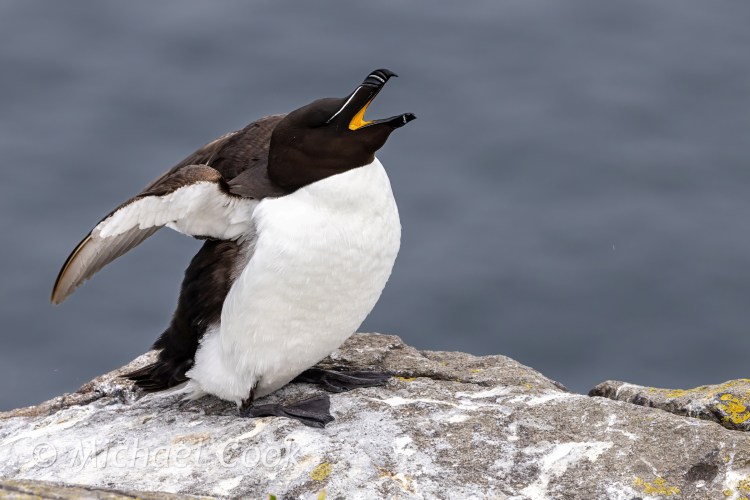
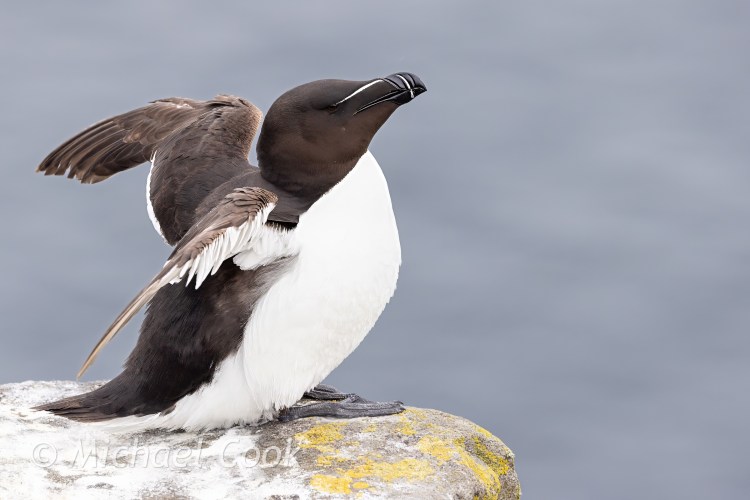
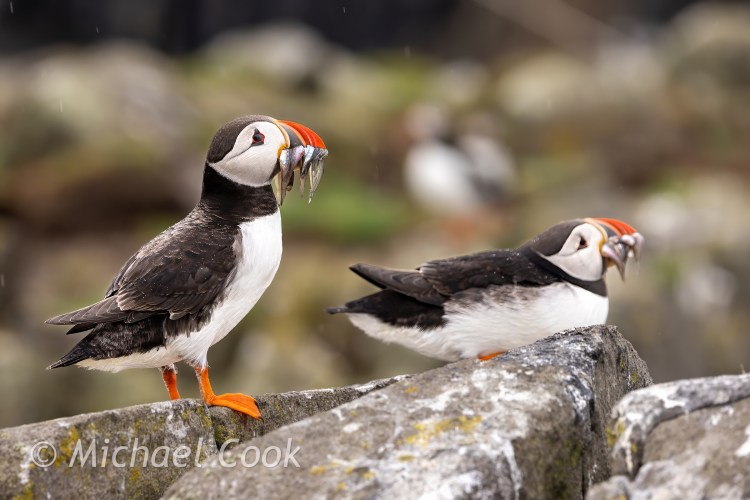
Heading to the cliffs above Bishop’s Cove we had close views of Puffins, Razorbills, Guillemots and Kittiwakes. The light wasn’t great and in fact it started to rain.
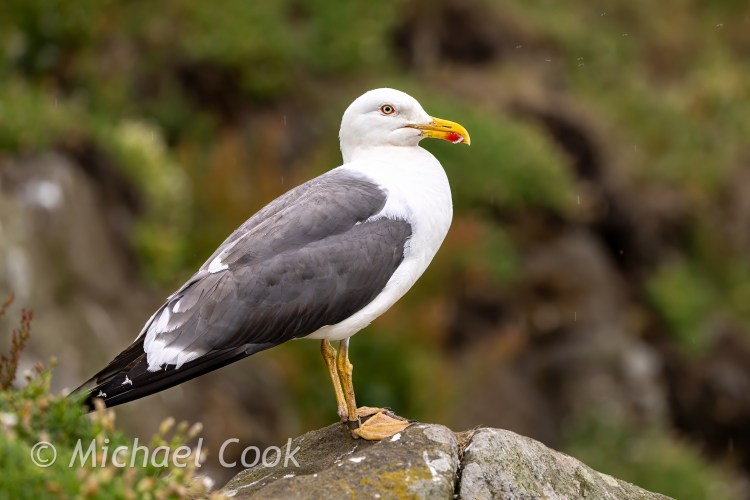
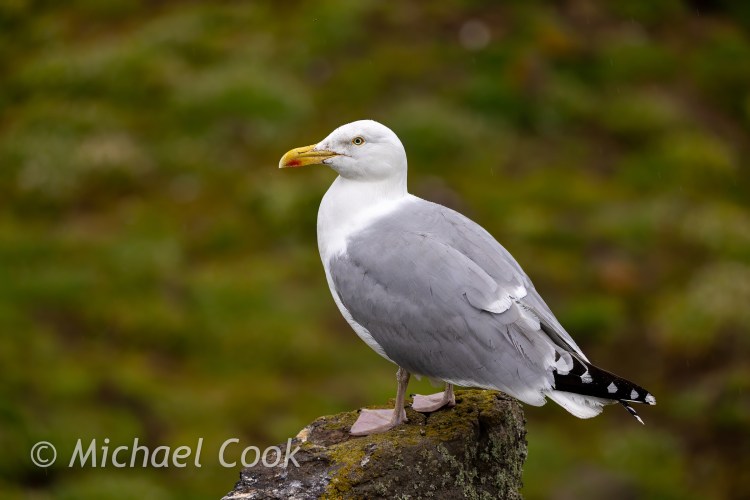
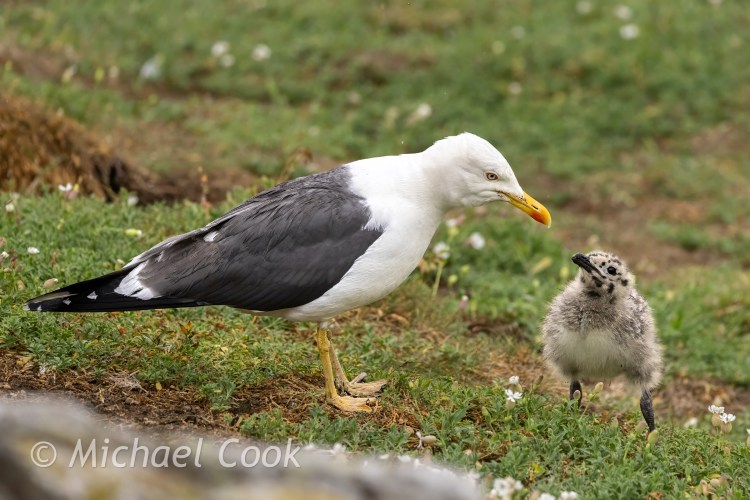
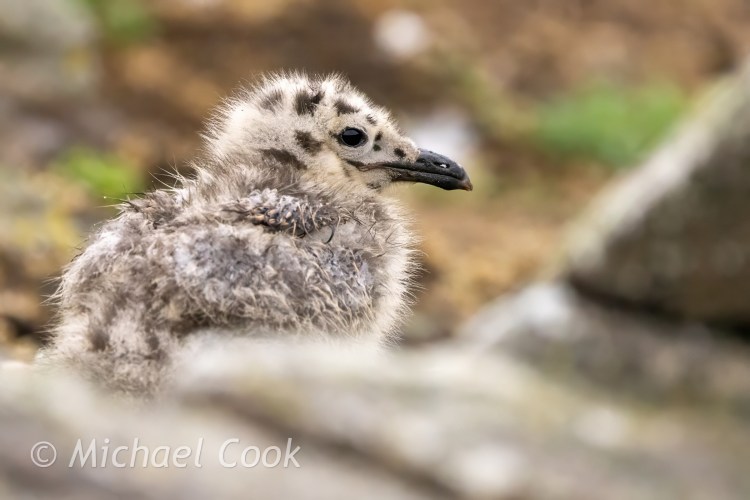
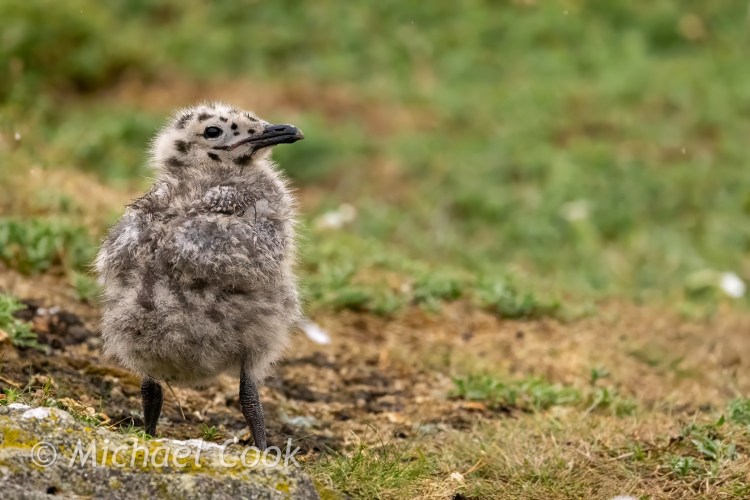
Continuing to Burnett’s leap there were several gull families – Lesser Black Backed and Herring – and it was nice to see the youngsters growing up fast.
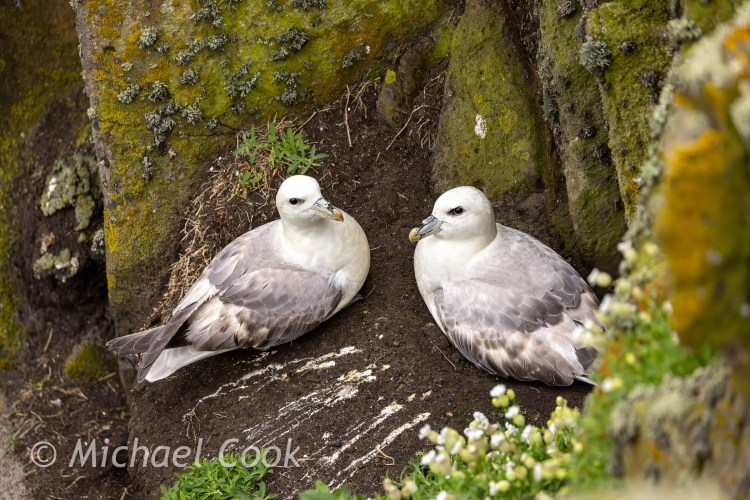
Looking over the wall I spotted Fulmars where they normally are, good to see this tube nose at close quarters.
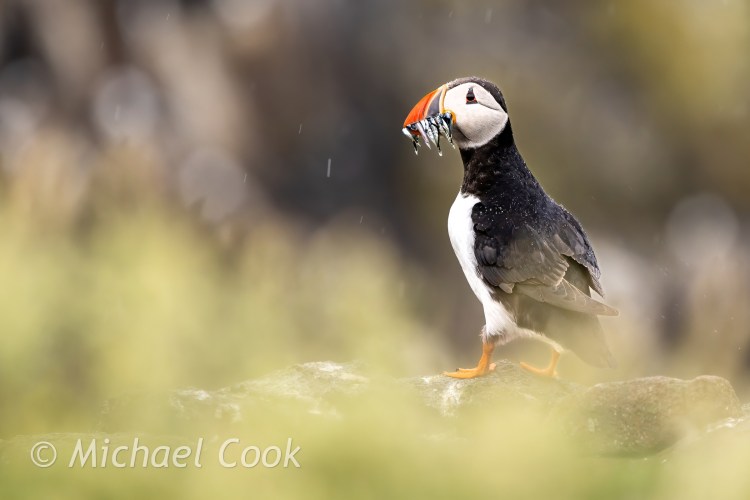
Heading back past the Low Light and along Holman’s Road the light was still poor but there were lots of close views of Puffins and they were following a consistent line as they flew past. Interestingly the Puffins seemed to have a mix of several Sand-Eels and single larger Sprats. As much for the practice as anything I took a few inflight shots. It is good practice to keep track of the birds and use a fast enough shutter speed (3200) firing off a constant burst to ensure you are getting enough keepers. If you cannot practice this on a common and reliable birds like Puffins, you won’t be ready when a rare bird turns up. A prophecy perhaps?
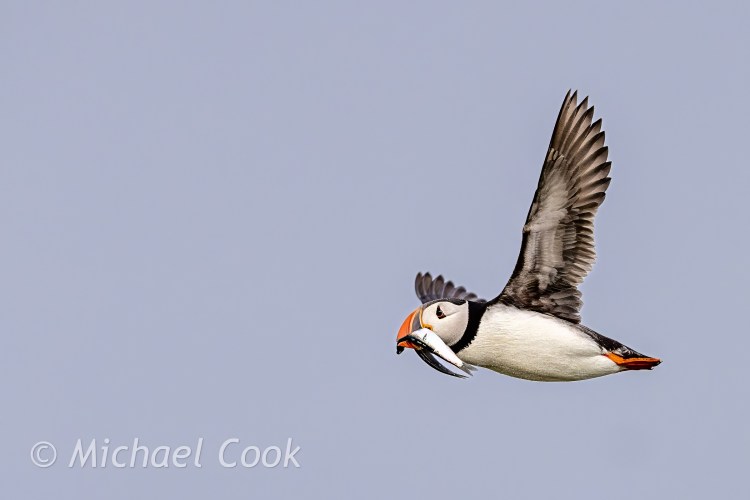
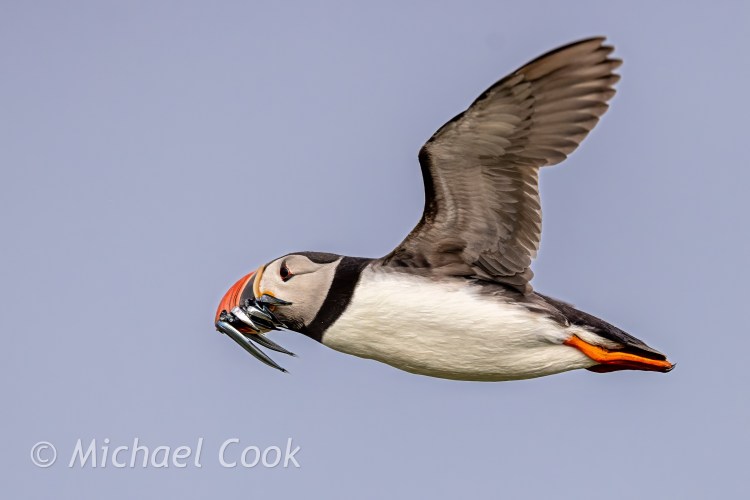
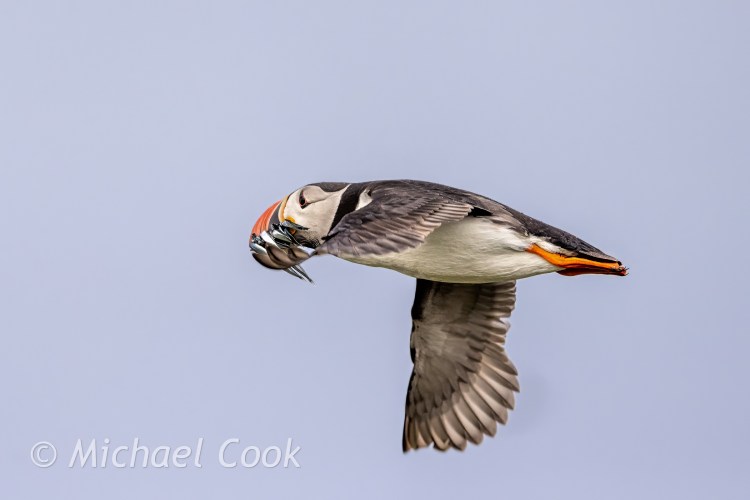
I thought June would be too late for Eider Ducks but one was still present along with a few Oystercatchers to add variety to the photographic subjects.
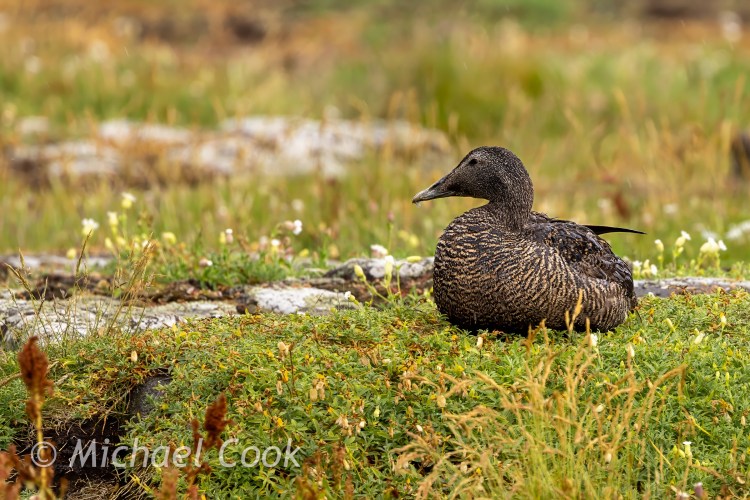
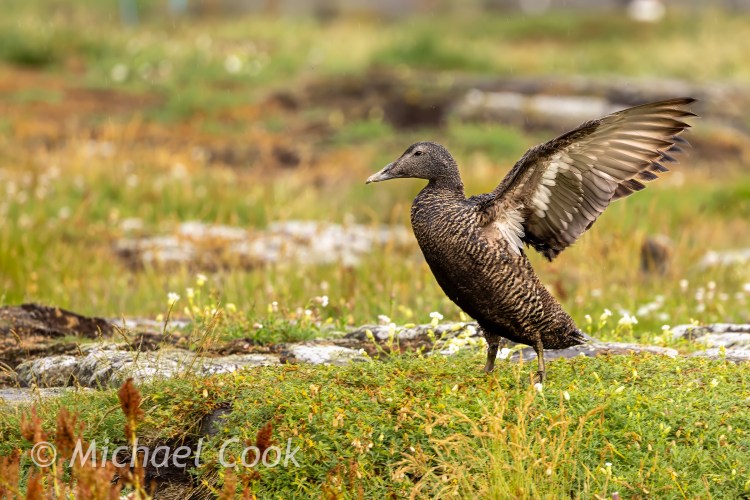
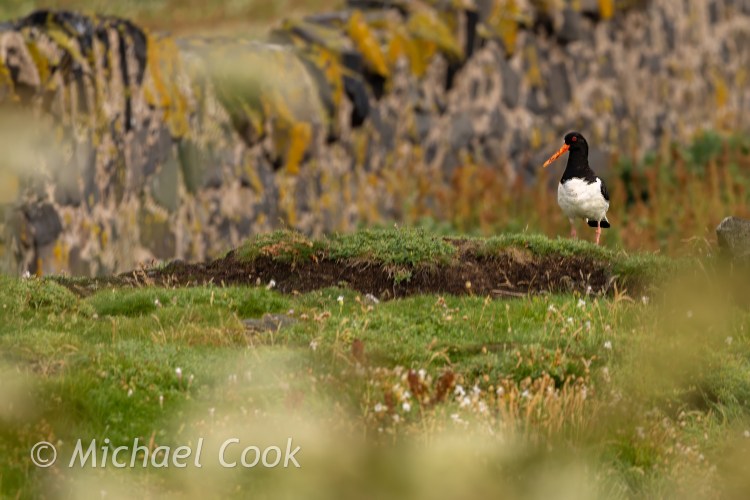
Next up we walked to the cliffs over Pilgrim’s Haven and now the light was starting to improve giving better opportunity to capture some more photos of…
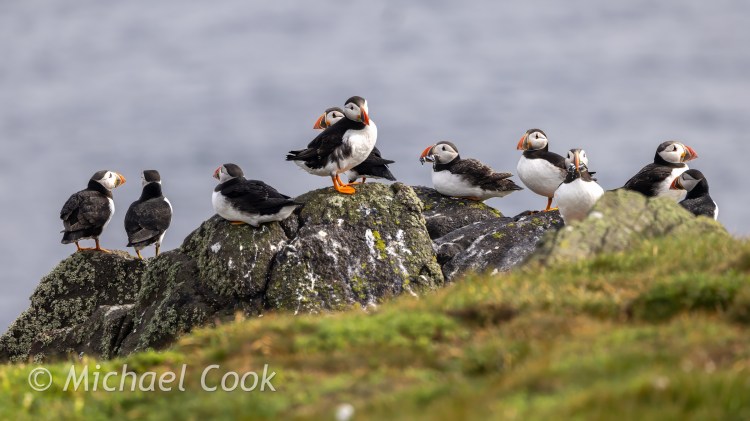
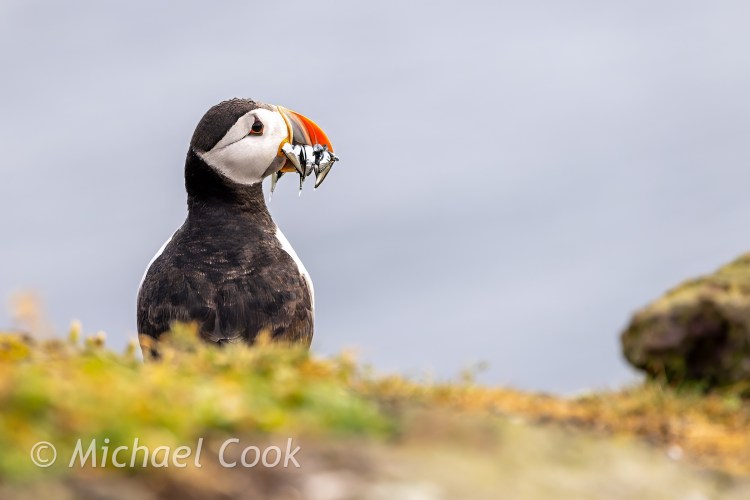
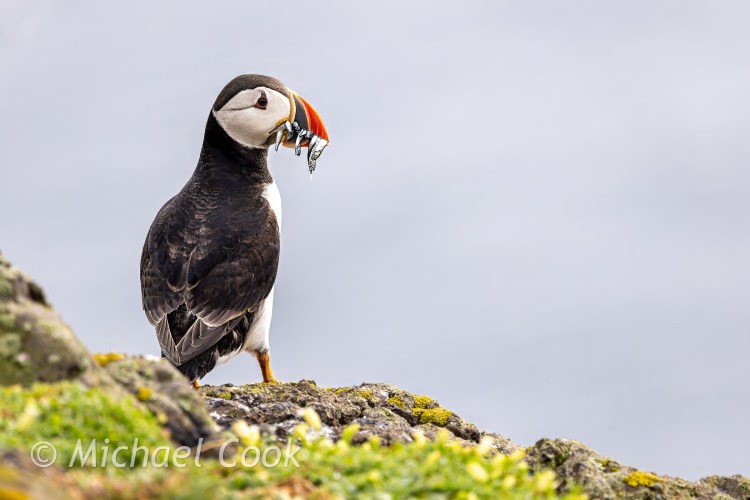
Puffins
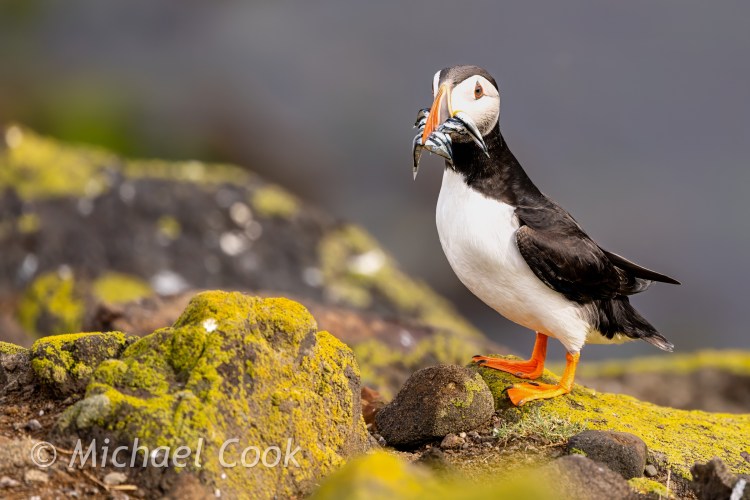
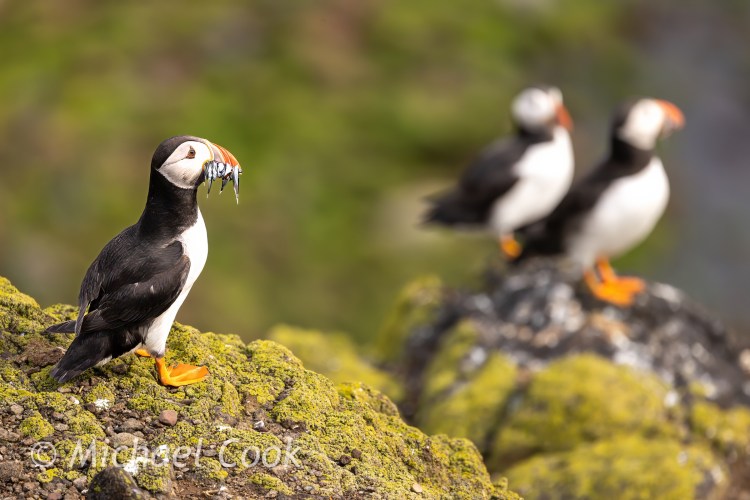
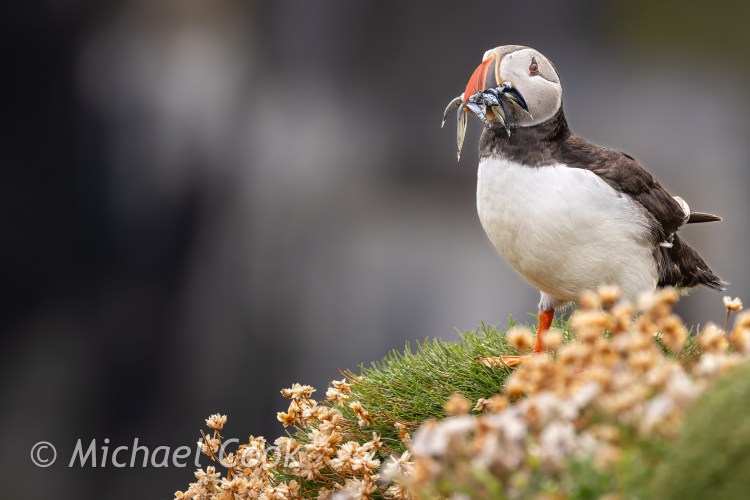
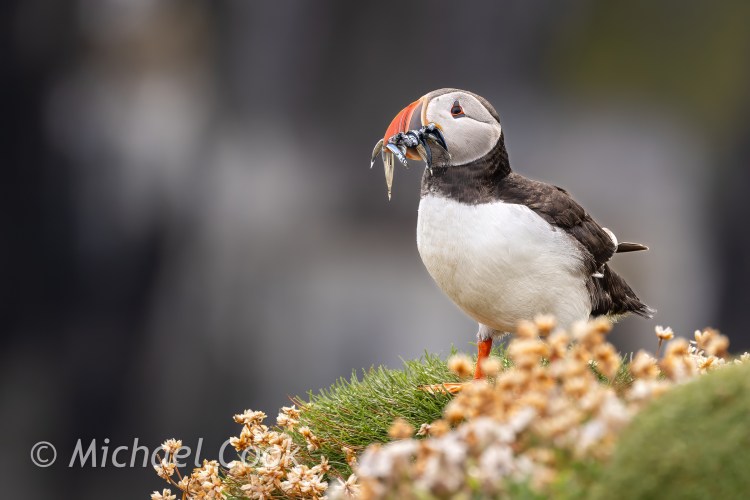
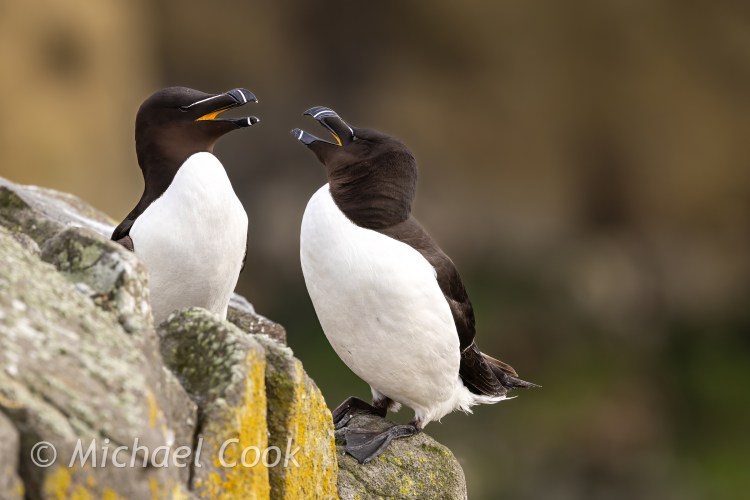
… Razorbills
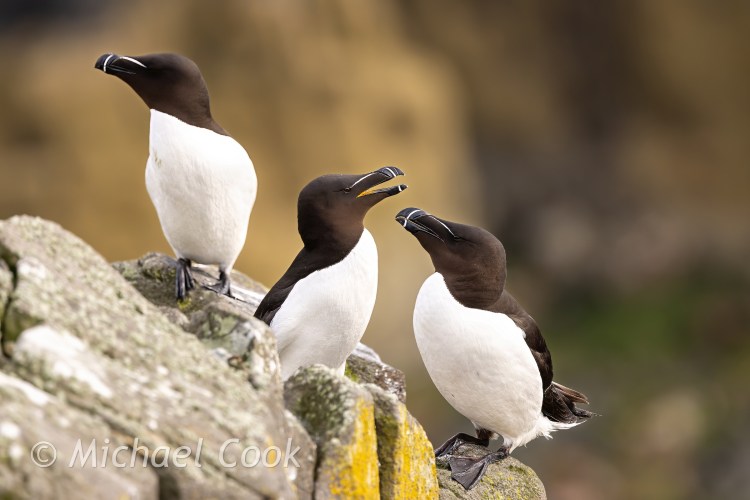
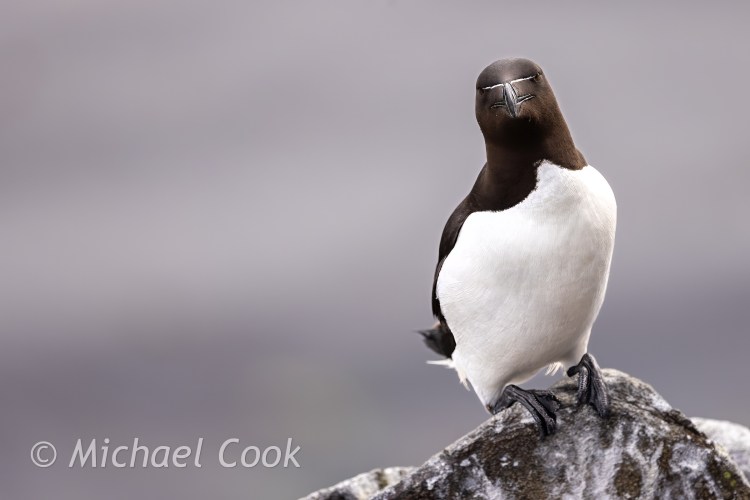
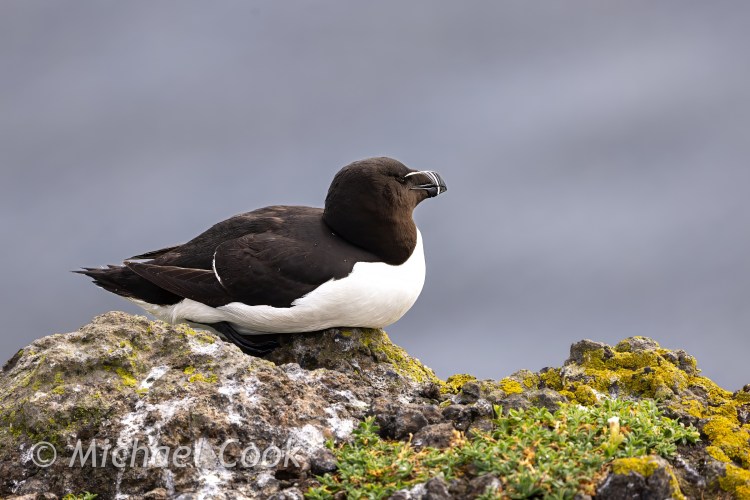
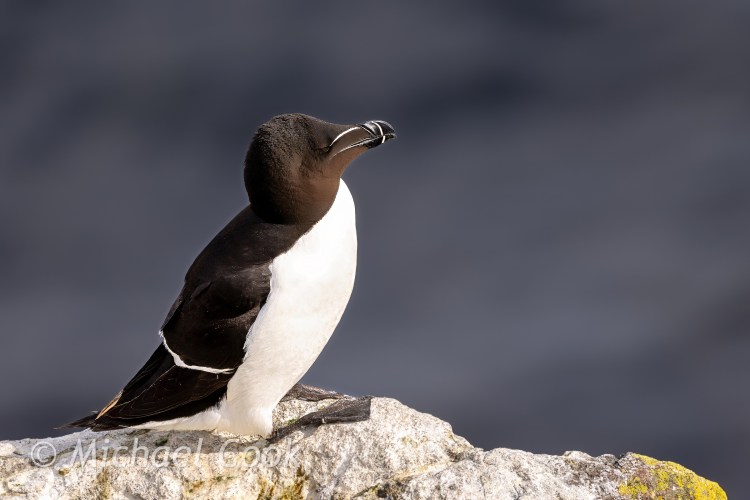
… Guillemots including a few of the Bridled variety (see white lines on face)
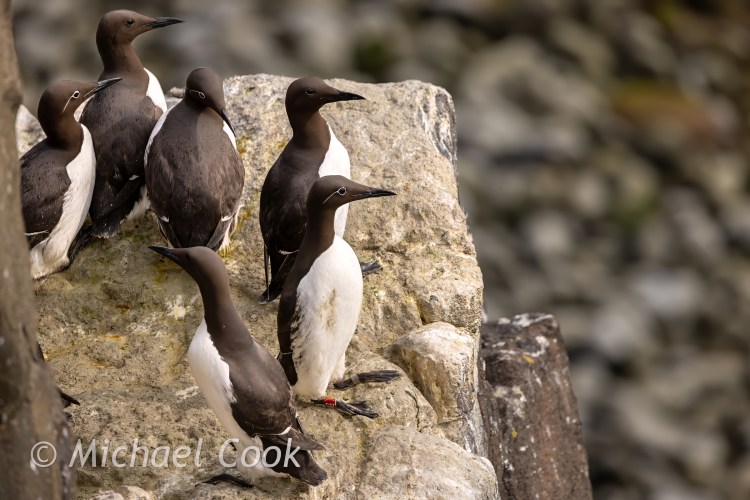
and Black-Legged Kittiwake.
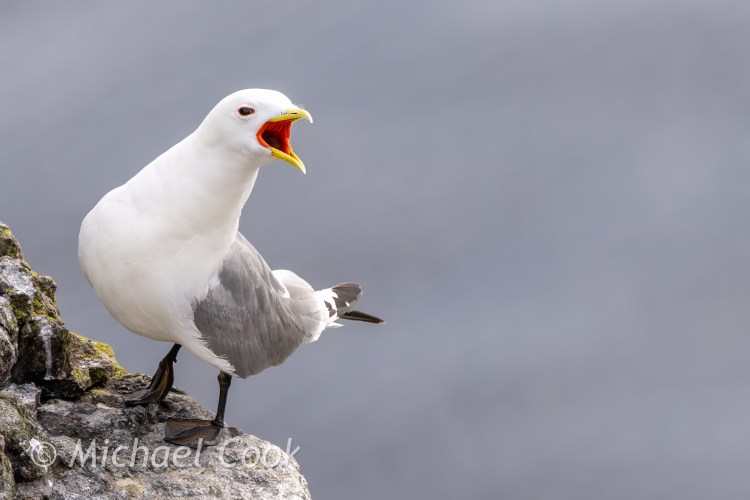
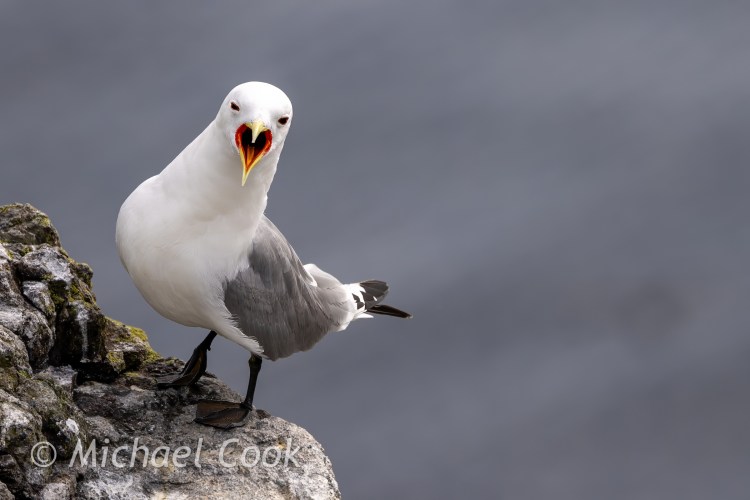
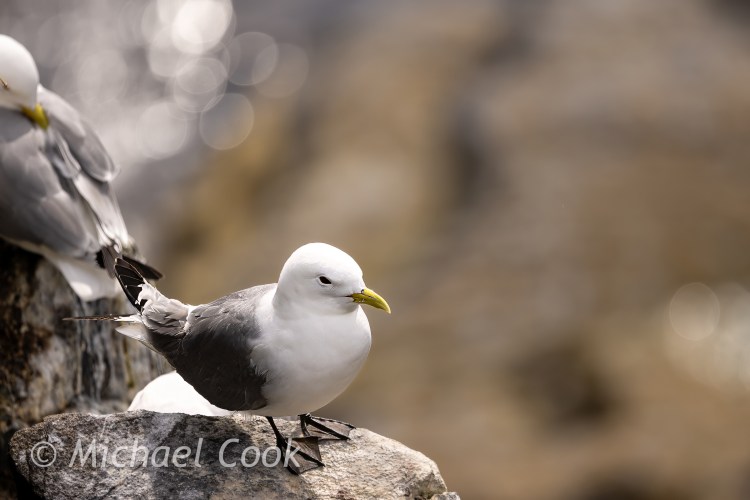
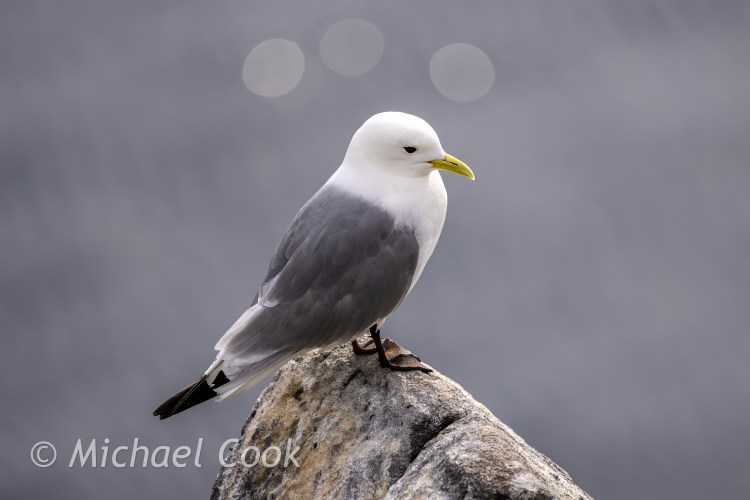
Passing the South Horn we saw a few Shags including this family. Sadly after major storms last year disrupting food supply many Shags starved and the numbers are significantly down on prior years (about 150 pairs compared to 750 in prior years).
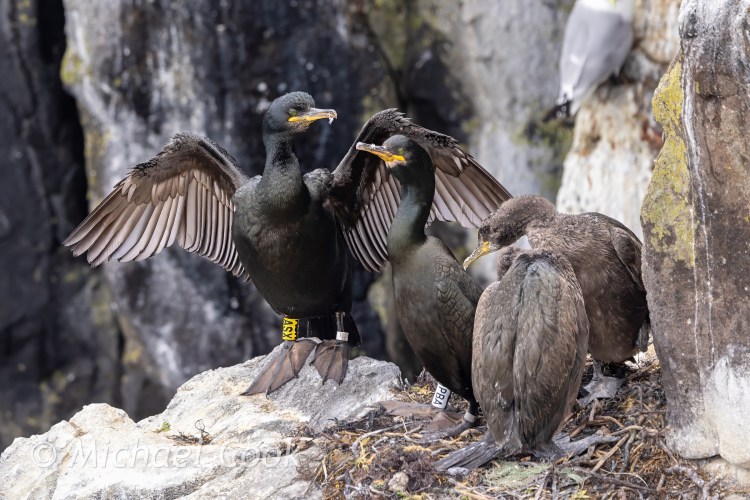
By this point I was struggling with my camera. The view finder had got wet in the rain and the inside was completely misted up. This wasn’t impacting the quality of images I was taking when the subjects were stationary but it took a long time to see through the mist and find the desired subject. I would pay a price for this later.
Heading back to the boat for the 6.15pm departure we were pleased to see some Grey Seals on the way out.
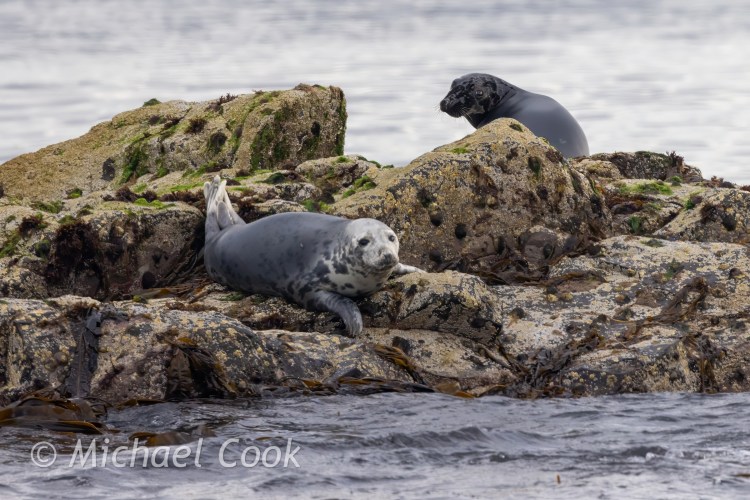
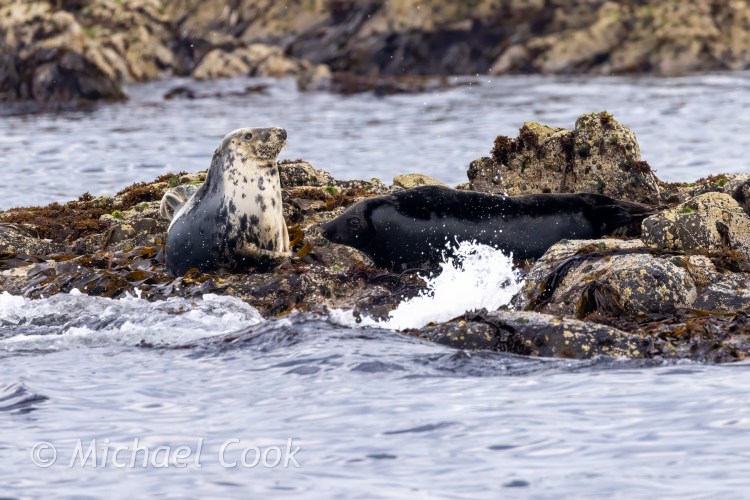
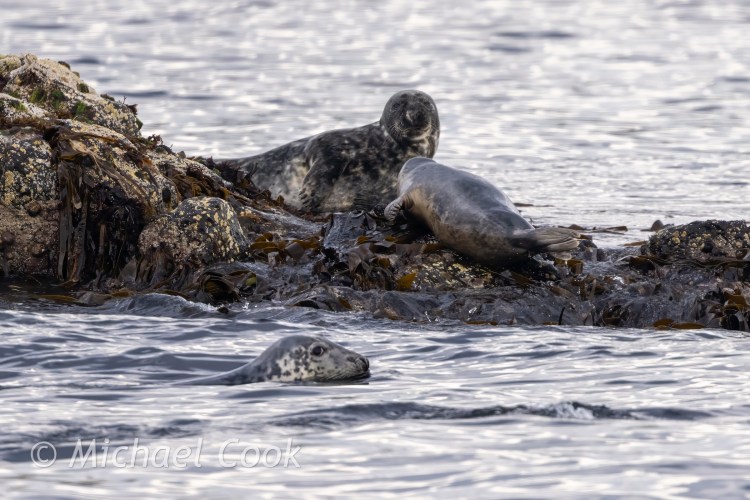
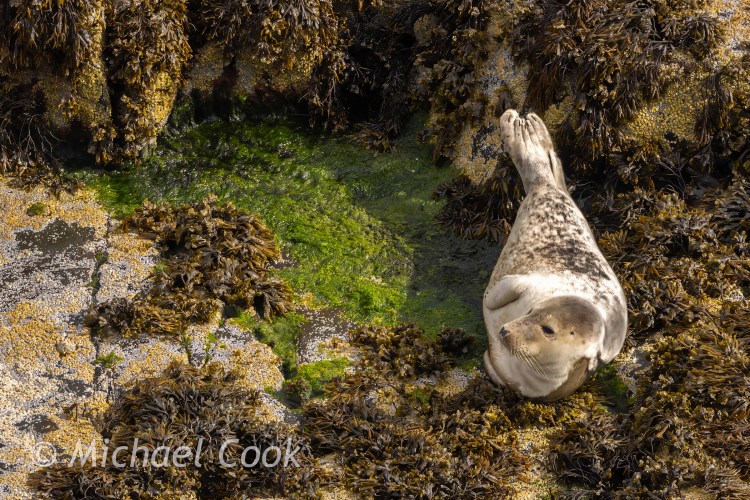
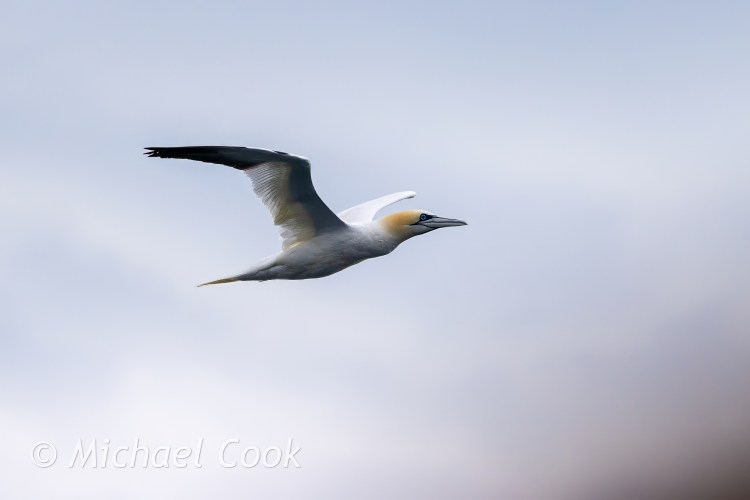
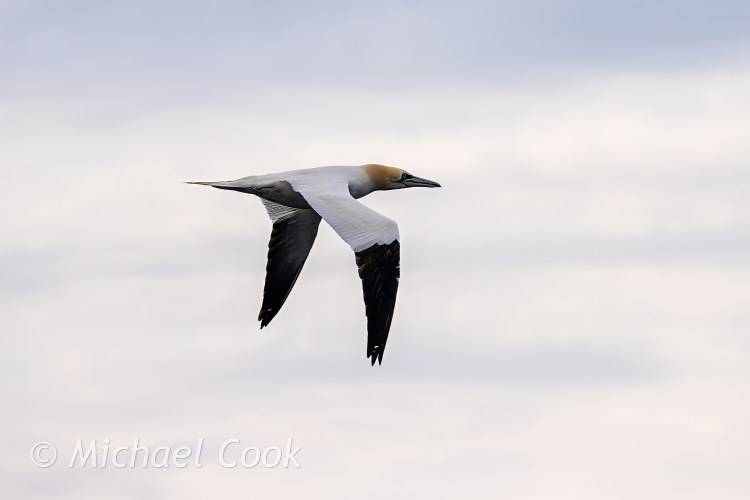
We also had a group of three Gannets which did a close flyby. Although, having had a landing on Bass Rock earlier in the week this really wasn’t a particular priority for me to capture in this mediocre light.
About half way back to Anstruther a pale-morph Arctic Skua flew over the boat. It was flying away before we were on to it so I didn’t bother with any photos. But this was about to be followed by something much, MUCH more exciting.
As everybody was starting to think about gathering their belongings together and joining the queue for fish and chips a large sand brown shearwater flew past the port side of the boat. I shouted Shearwater and my birding buddy Rick confidently called it as a Cory’s! This was a lifer for me and a fantastically unexpected sighting this far north. Alas it wasn’t going to be photo lifer as I couldn’t get on the bird due to a completely steamed up view finder. Fortunately a fellow member of the camera club was locked on the bird and with a full 800m available got some great shots of this bird and he has kindly given me permission to share (Thanks Roger Stewart)
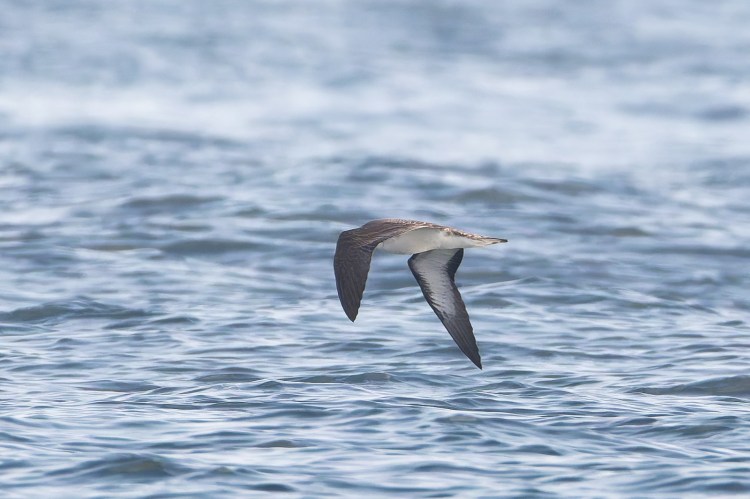
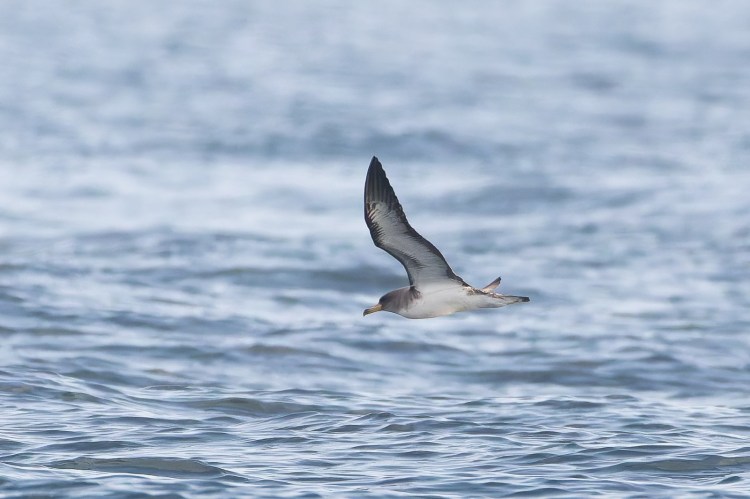
(note the yellow-bill and the dark hand under the wing which are diagnostic for Cory’s)
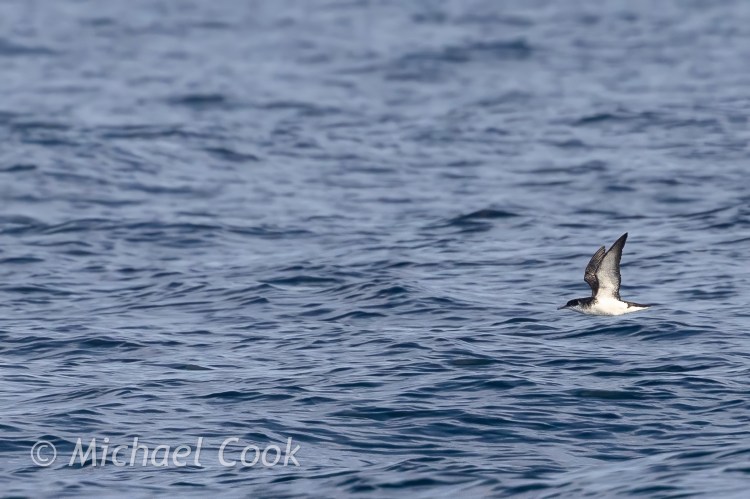
Next followed no less than 39 Manx Shearwaters – not a bad way to end the day

 WildScot Photography
While puffins may be to photographers common and rather ho-hum, I find their comic faces and beak full of fish totally charming!
LikeLike