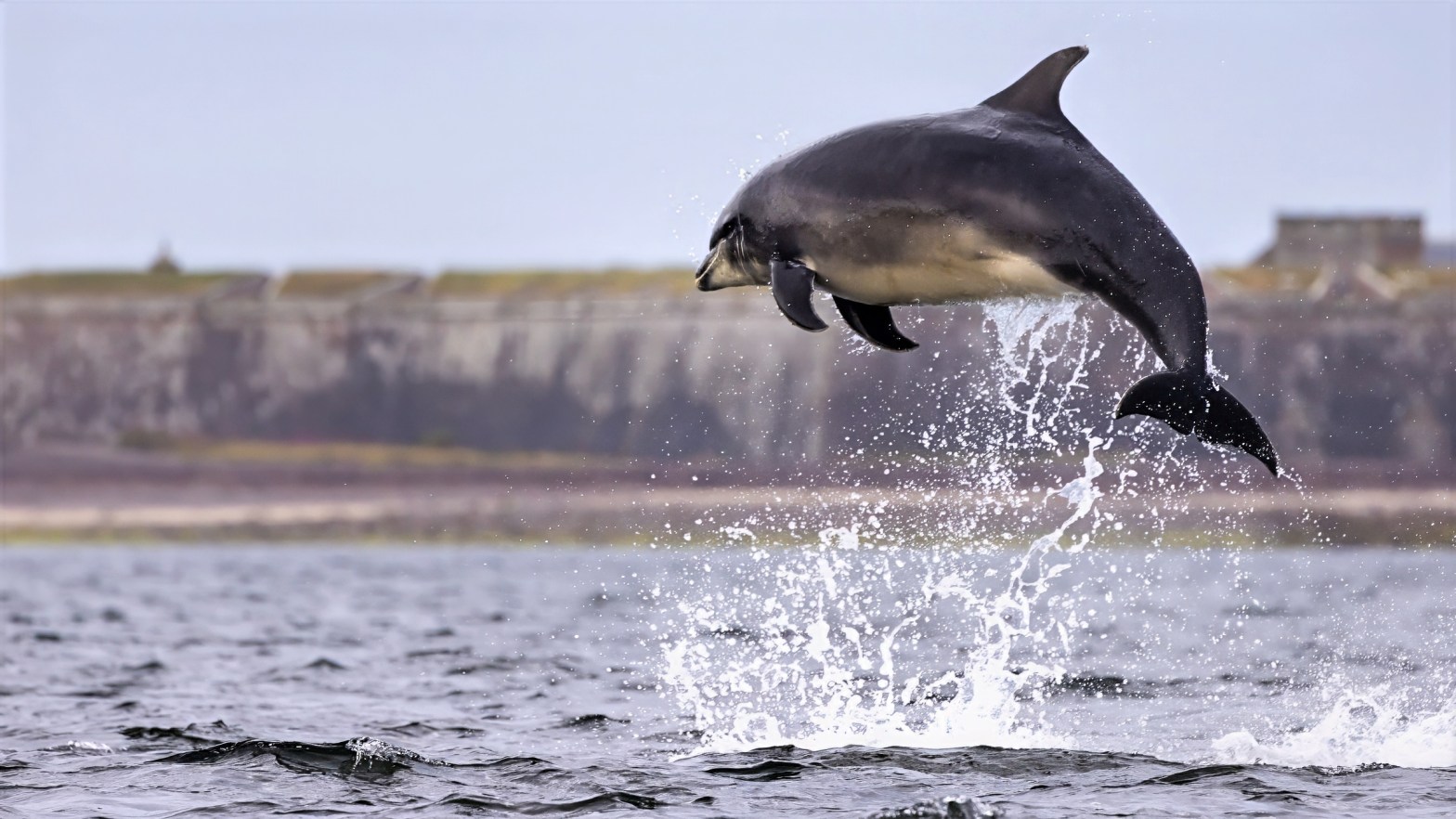
Did you know that the Bottlenose Dolphins in the Moray Firth are the largest in the world? One reason for this is that they are quite far north and therefore need more blubber as insulation (this works for me too by the way). But another reason is they have a rich supply of Salmon on which to feed.
This second reason is good news for the wildlife photographer. The Moray Firth narrows just east of Inverness where two points create a meander in the river. From the south the mighty Fort George is built on the outer point of the southern bank. From the north a strange promontory ending in Chanonry Point sticks out. Several factors combine after low tide to cause the Salmon to pause here when swimming up stream. The flowing river meets the incoming tide at this narrowing and creates an invisible barrier that the Salmon struggle to cross so they wait for the tide to build and provide support for easier going. As the numbers of Salmon build the Dolphins come in to hunt them. And the wildlife photographers to shoot the Dolphin.
I was last at Chanonry Point in 2021 with my old camera so I was keen to have a go with my Canon R5
I set my camera to a reasonable shutter speed 1/1000 most of the time to capture the movement, along with a high burst speed to capture that decisive moment. Most of the time I used mechanical shutter but occasionally I switched to electronic to get the full 20 frames per second. This was particularly when I was trying to capture the best picture of a jump (not too soon, not too late).
The light wasn’t great and in fact it was raining most of the time, but it was such a fantastic show I didn’t really mind.
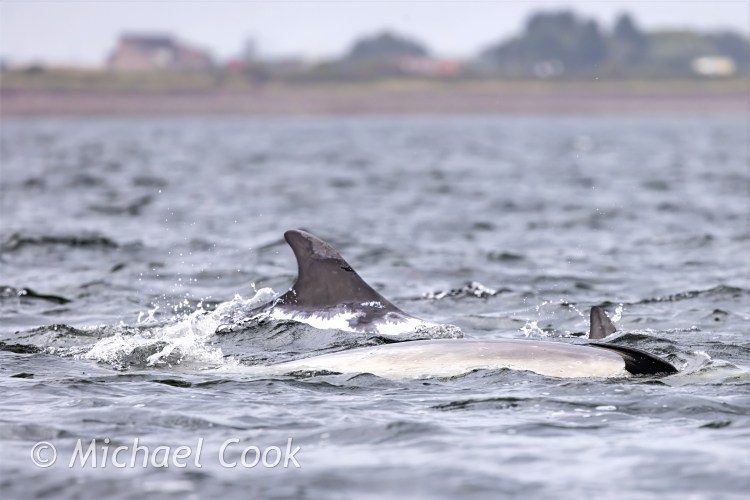
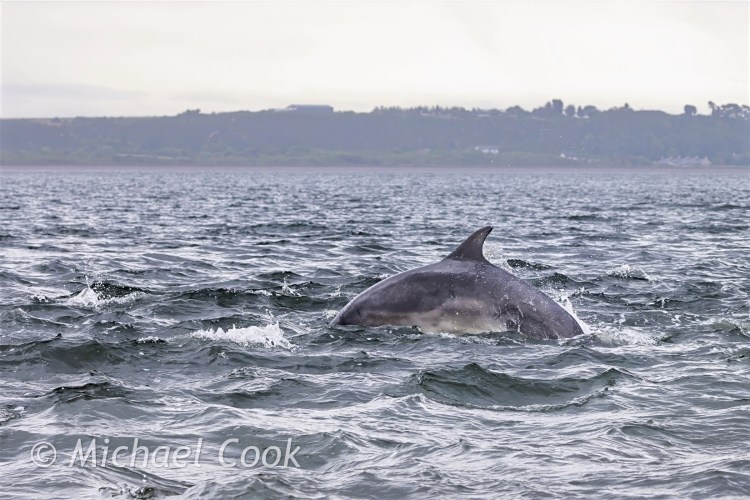
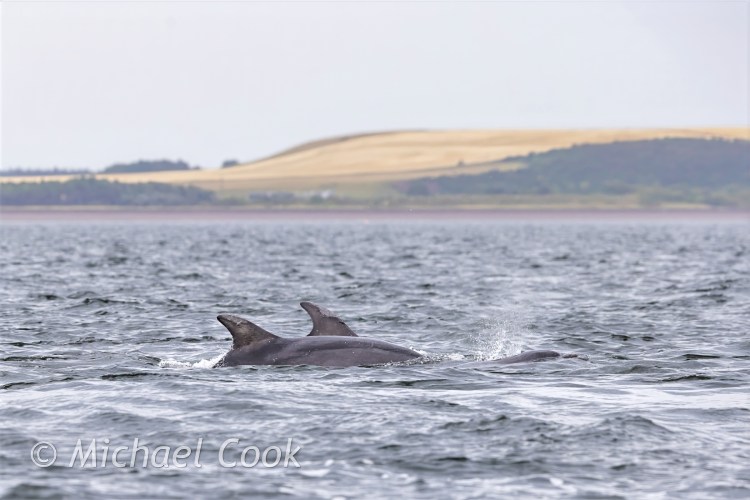
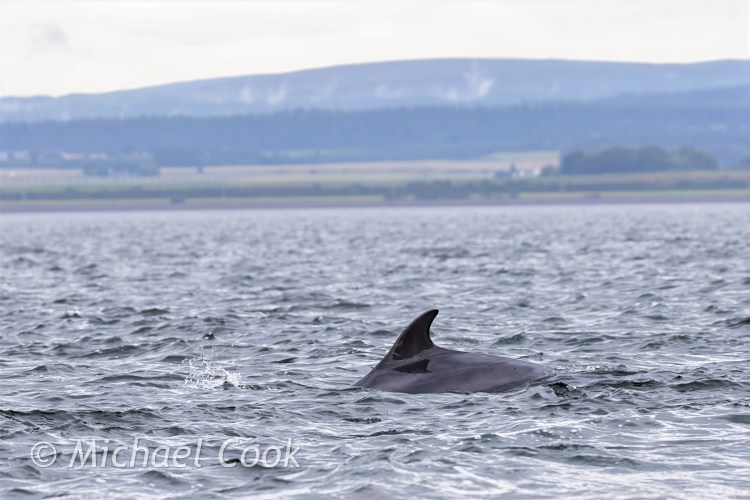
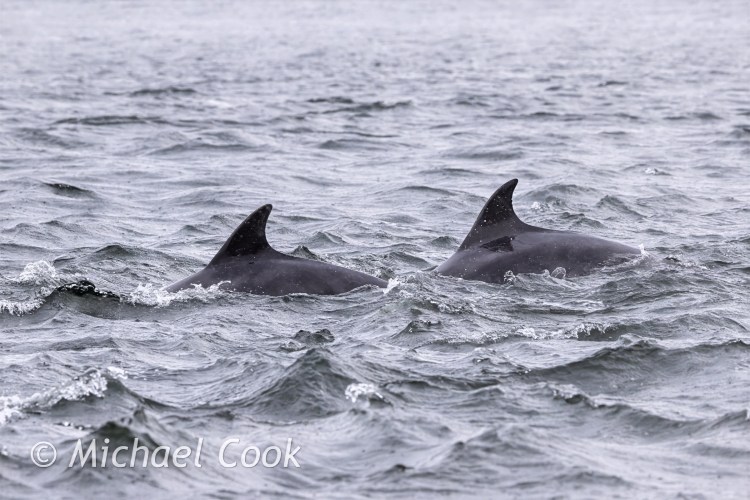
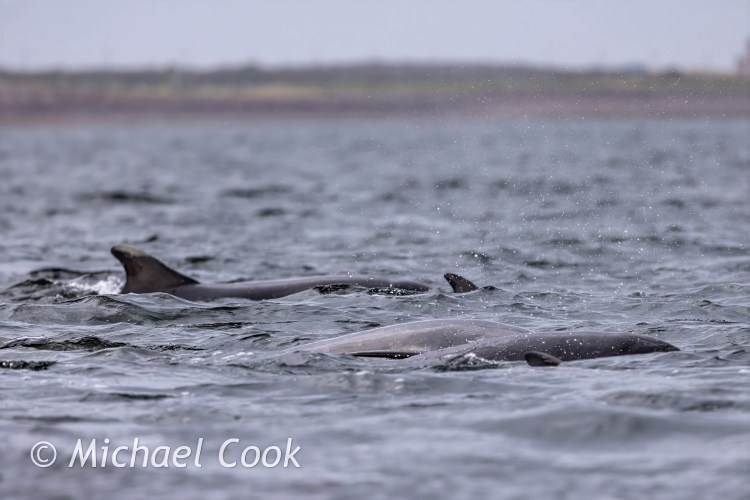
Photographing Dolphins is challenging and you end up taking a lot of wave tops and dorsal fins when what you really want is the Dolphins jumping out of the water or showing some interesting behaviour.
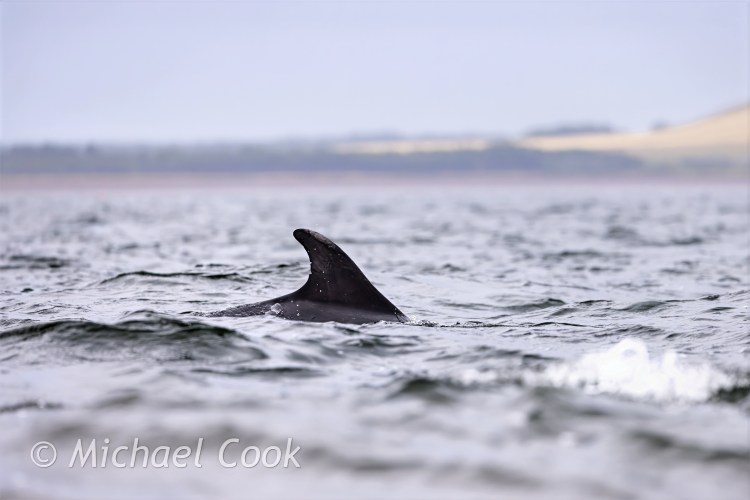
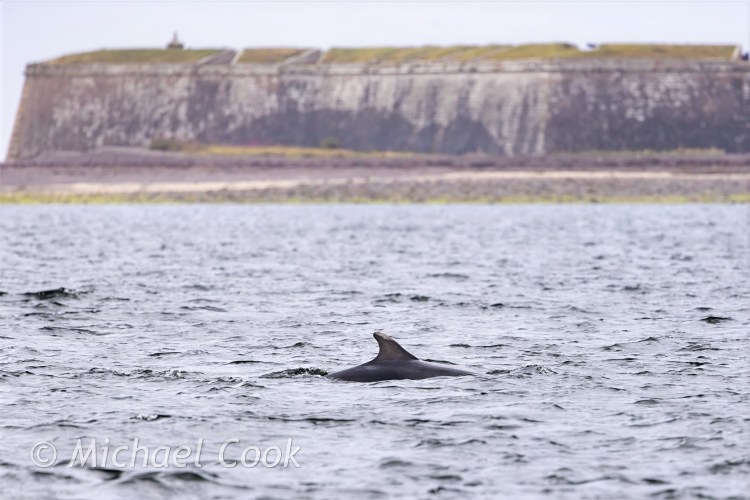
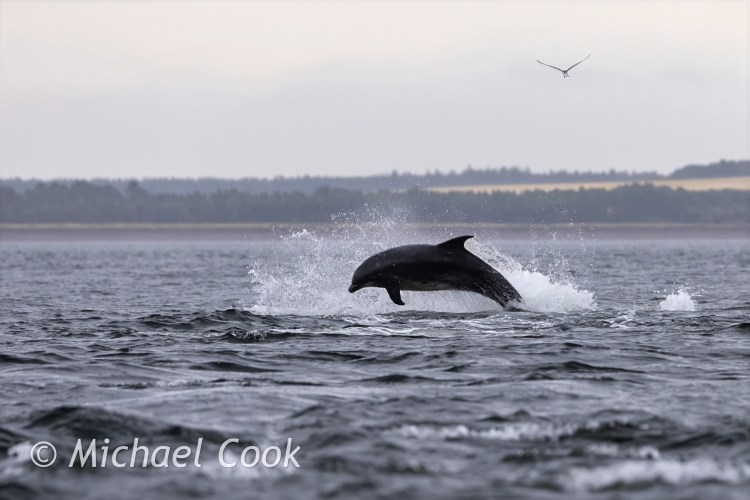
Quite early on a Dolphin got excited and jumped out of the water. I seemed to be ready and managed to fire off some shots. I have included several frames so you can see the value of burst shooting in this situation. I think the first two are the best though.
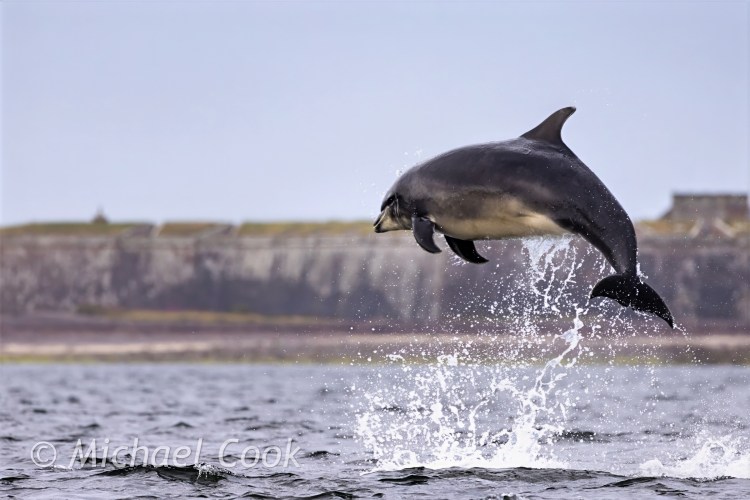
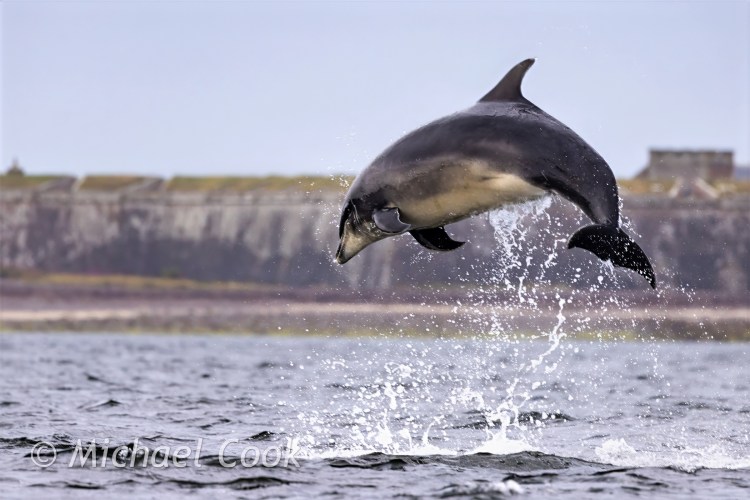
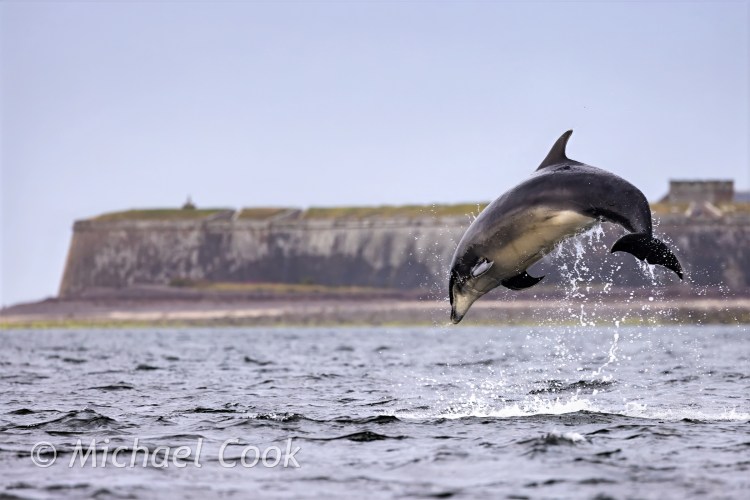
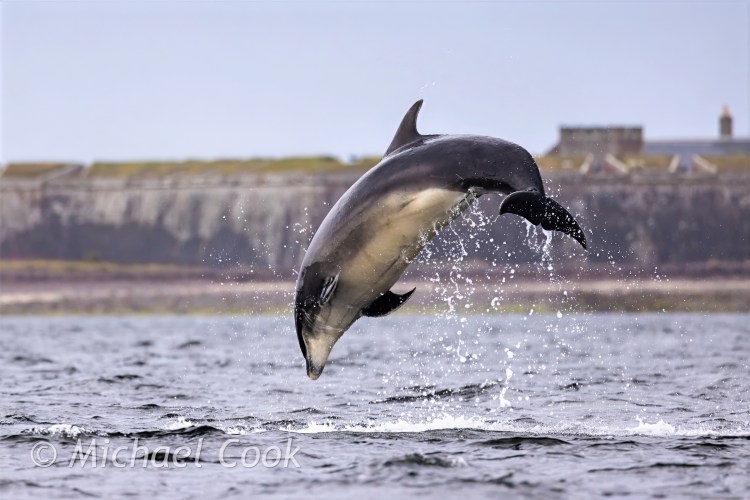
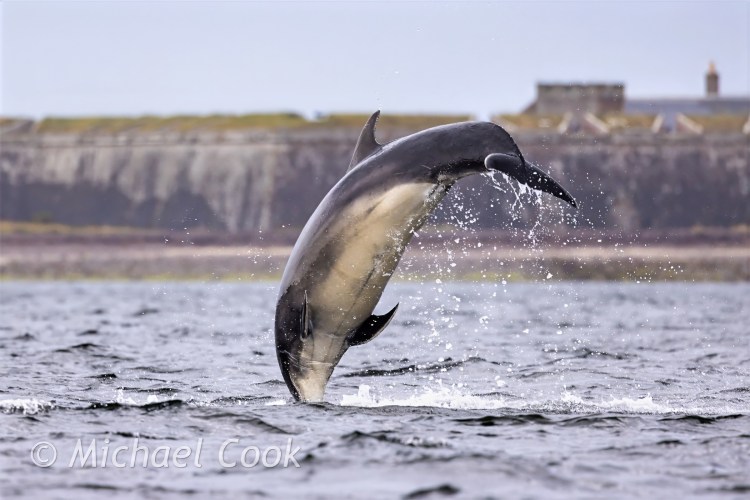
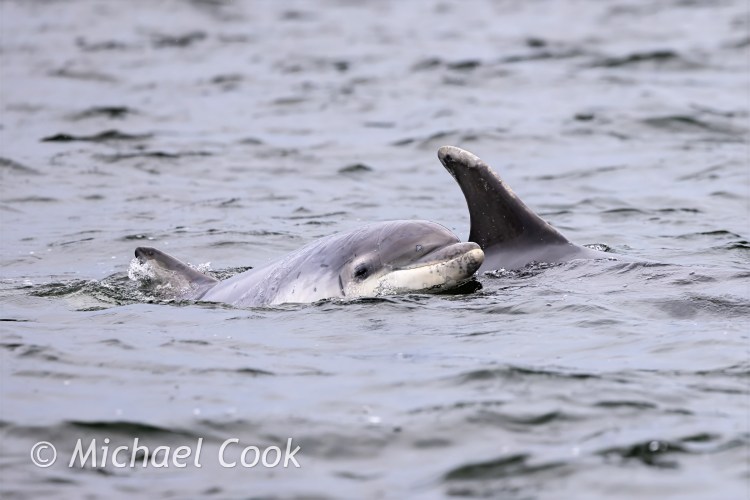
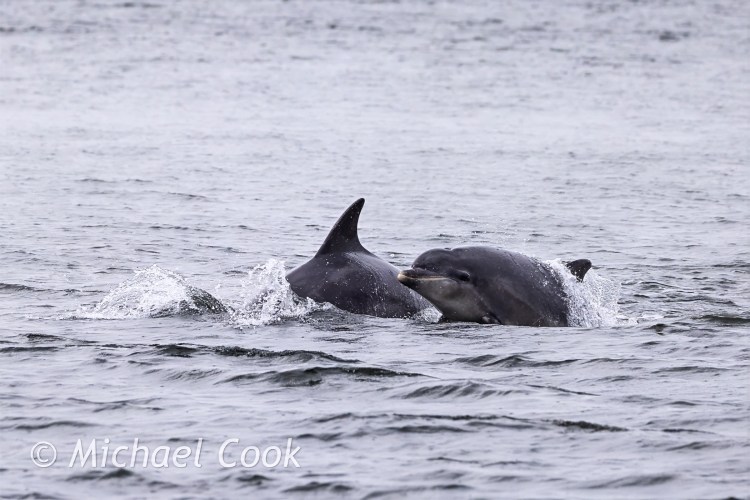
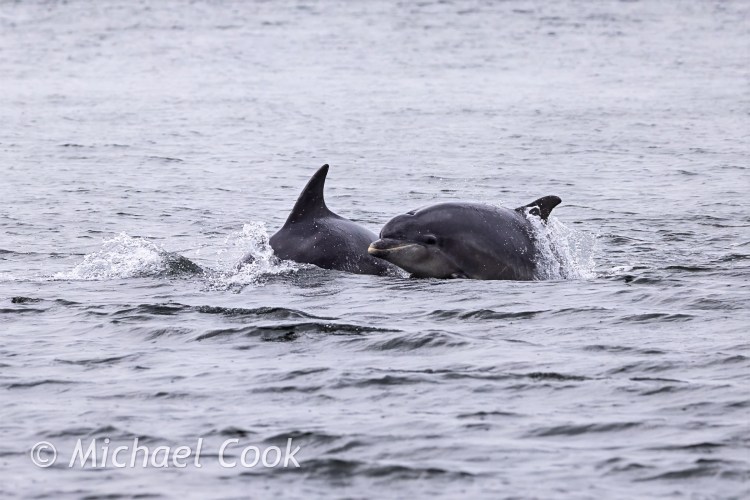
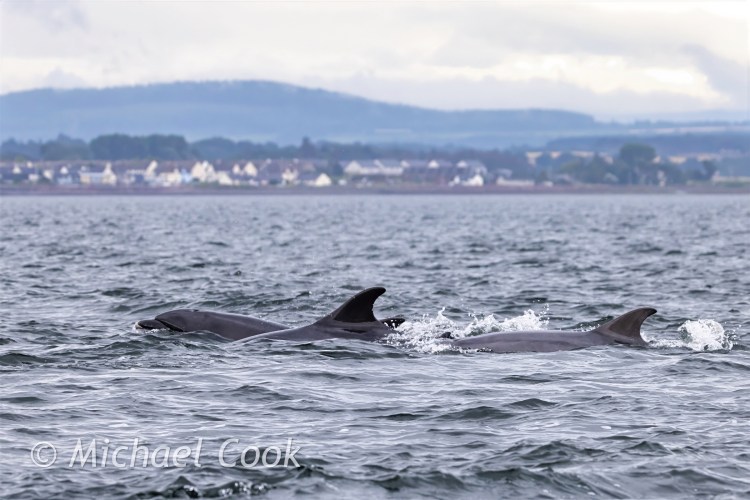
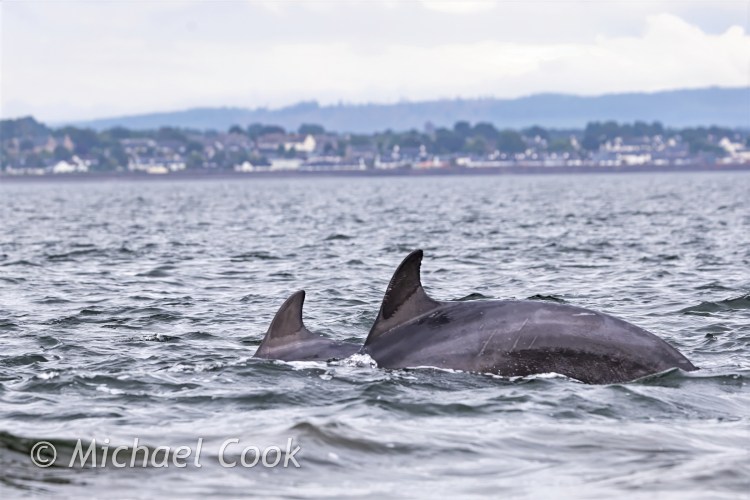
I found it quite hard to get shots of the Dolphins first coming out of the water – showing their beak. Basically by the time you have seen the Dolphin breaking and got the camera on target it has already progressed to become yet another dorsal fin shot. It was easier when two dolphins were together with one in front of the other, you missed the first one breaking but could potentially capture the second.
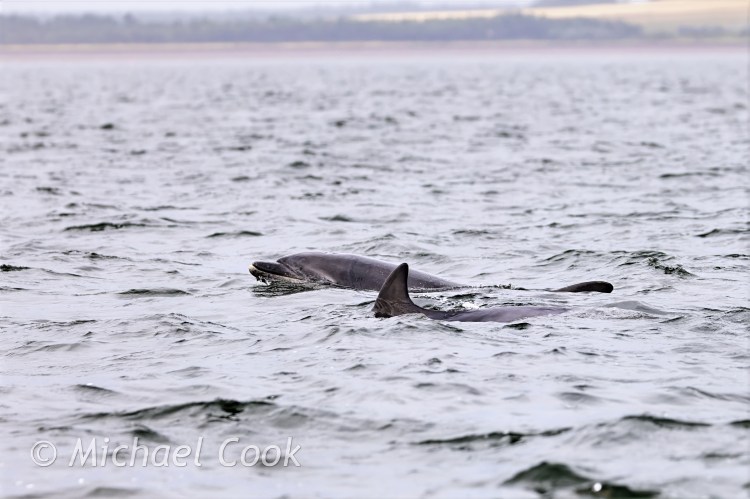
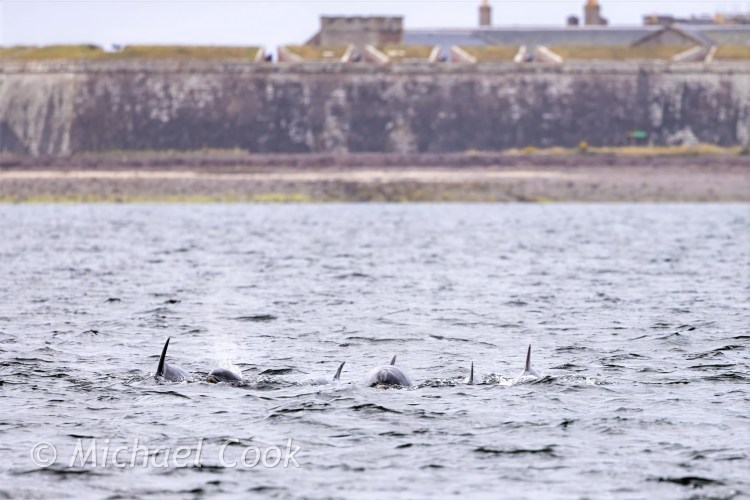
At times it was clear that the Dolphins were working together to hunt. In the shot below you can see at least 6 individuals in a line swimming together to chase the Salmon.
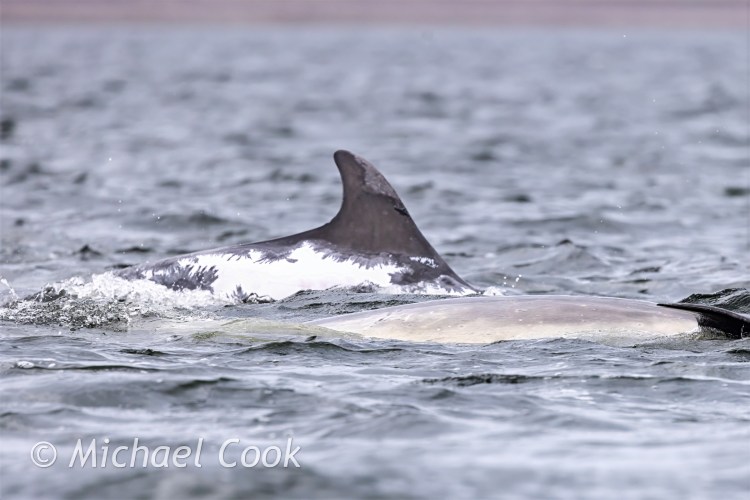
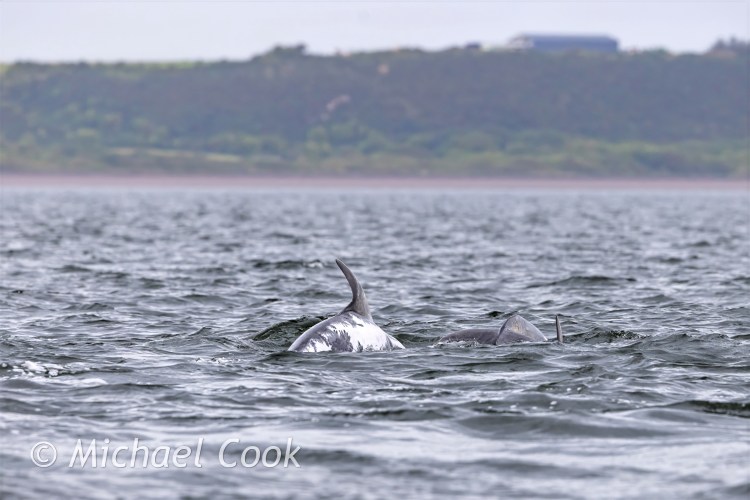
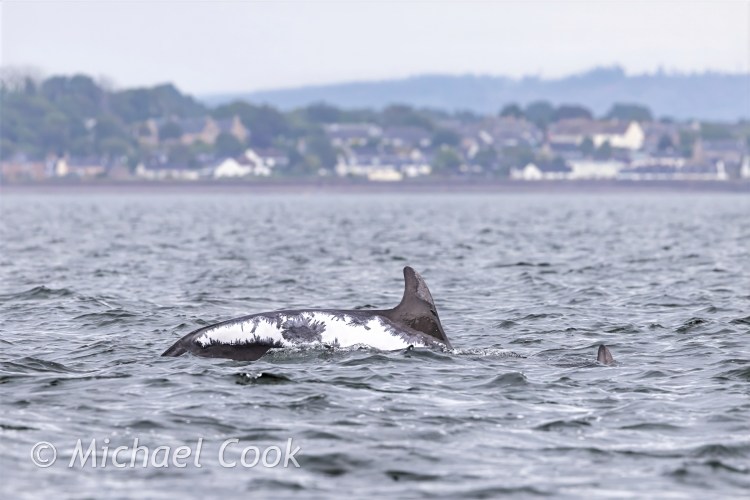
One dolphin had strange markings and a wee bit of research revealed this to be “Spirtle”. Spirtle was stranded for 24 hours in May 2016 and suffered really bad sunburn. She was refloated and miraculously survived and seems to now be thriving. You can read about the original incident here on the BBC News page.
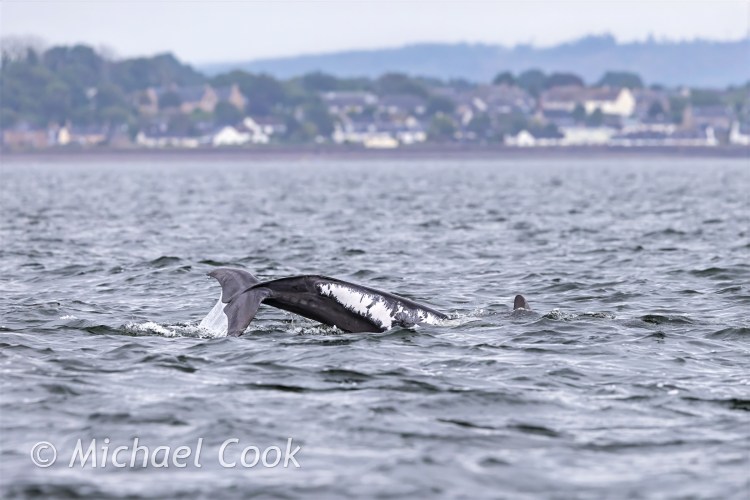
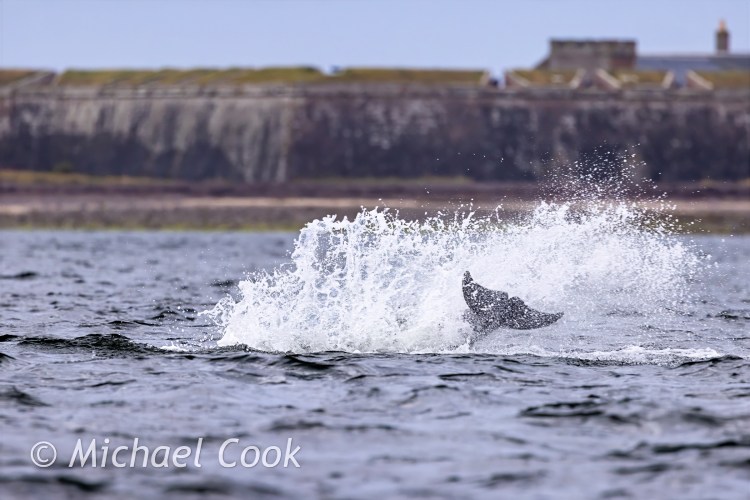
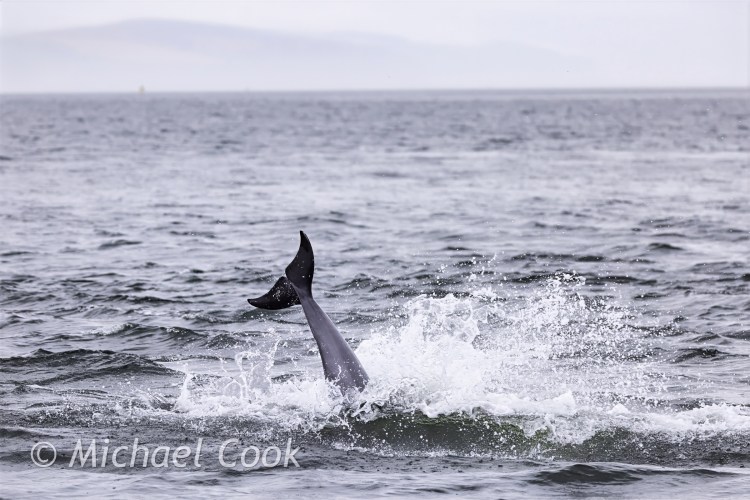
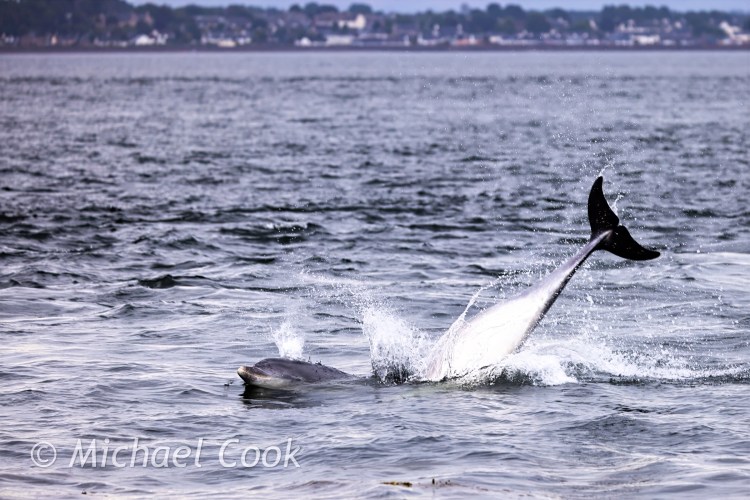
Another interesting shot you could capture was tail fluking. Being late on in a role these were fairly easy – you might call them a bit of a fluke infact!
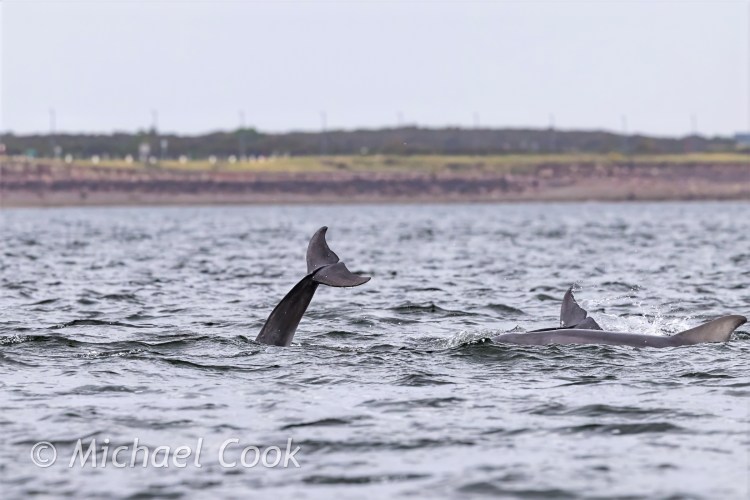
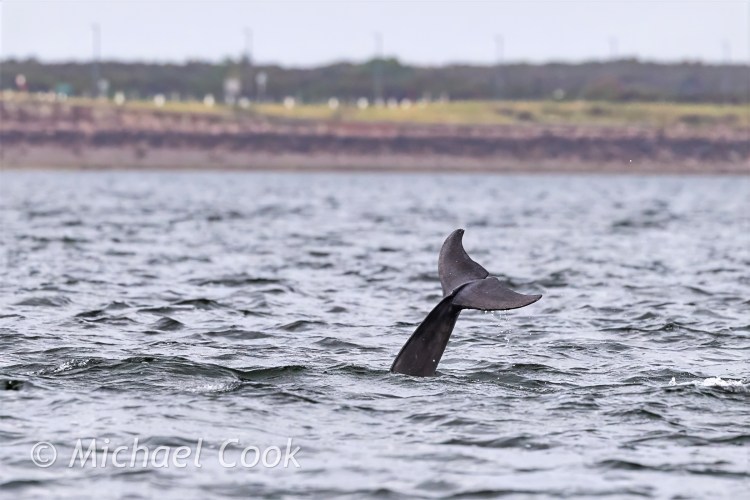
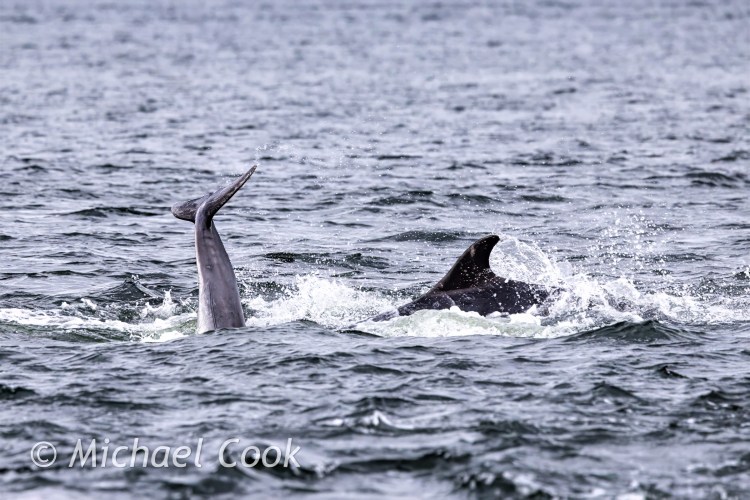
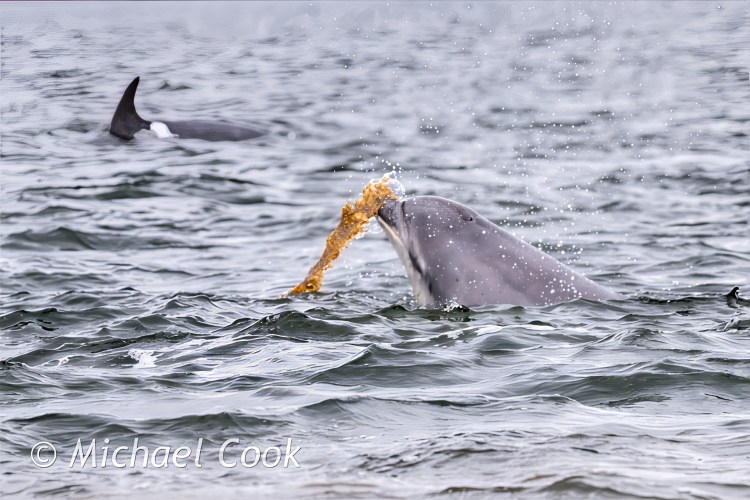
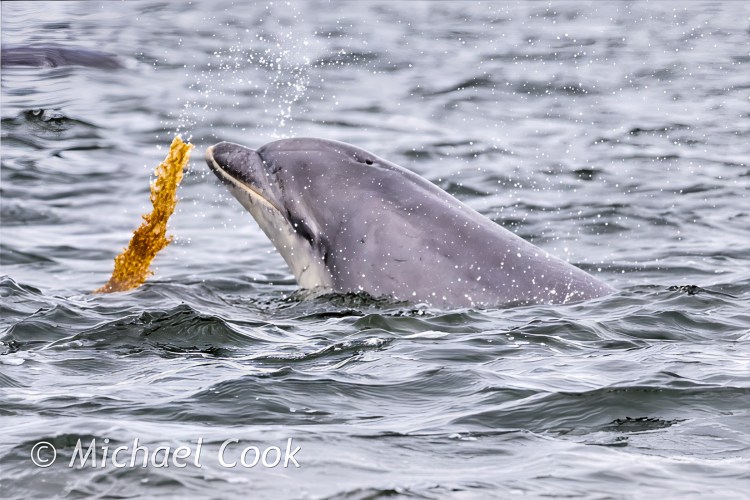
At one point I noticed a mature Dolphin playing with sea weed and trailing it behind. A young Dolphin was following and trying to take the weed. Whether this was play or training (or both) I can only guess but it was nice to see.
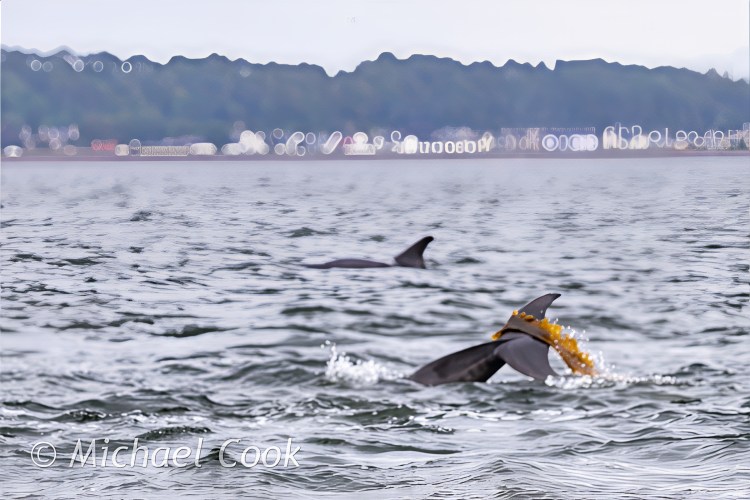
Sometimes it is good to capture a shot with unidentifiable people in to show the story of Dolphin Watching and illustrate how close people were to the show.
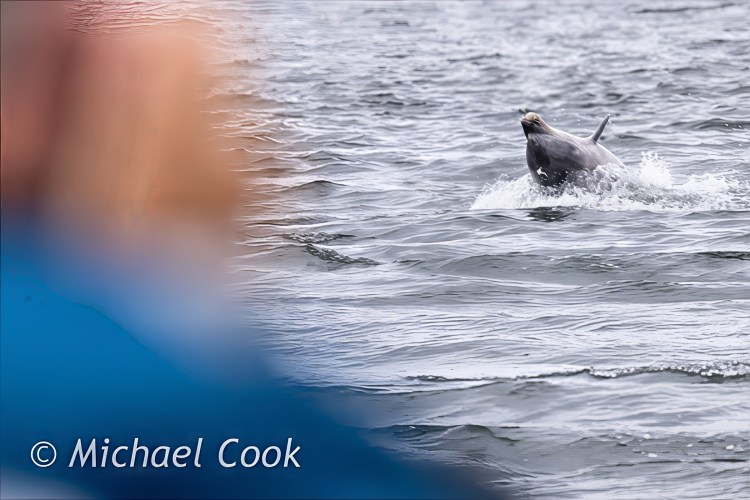
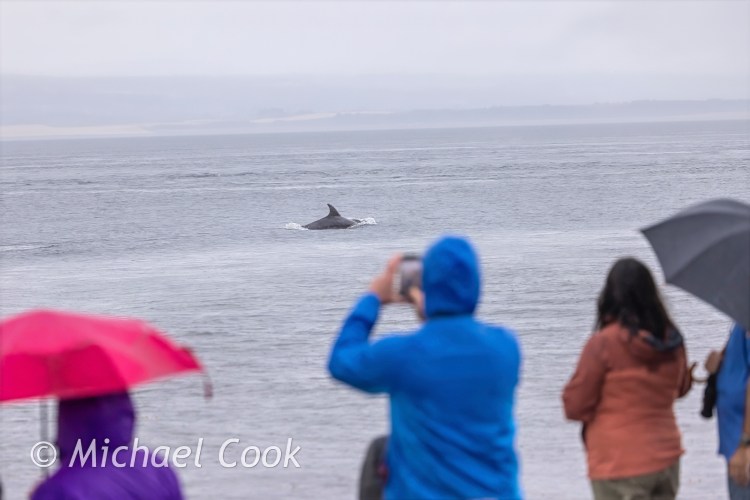
Here are some more jump sequences which were lovely to see and really tested my ability to respond and capture the moment. These felt a bit like Osprey dives where not much is happening but you have to be ready for when it does. My field of view through the camera was so small so you had to be ready and sit a bit back from the camera surveying the whole scene. It helped when one Dolphin got excited and did one jump after the other as you were half anticipating where it was going to be next.
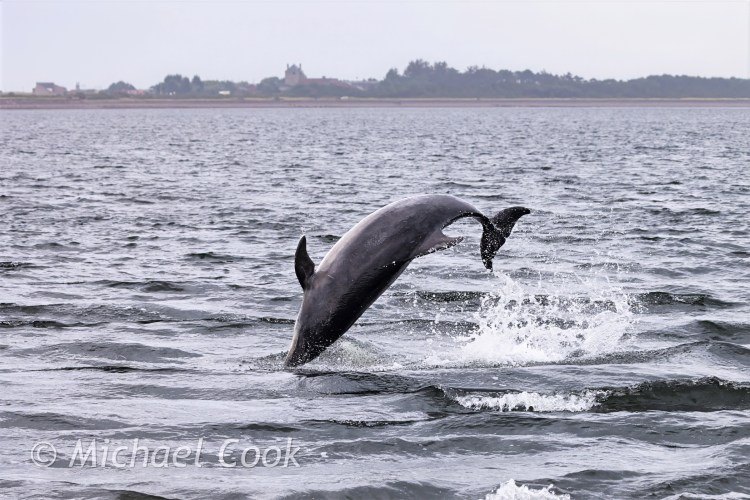
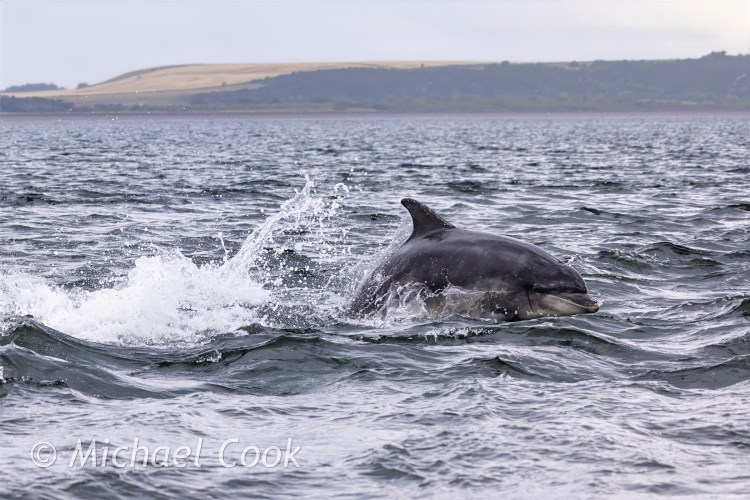
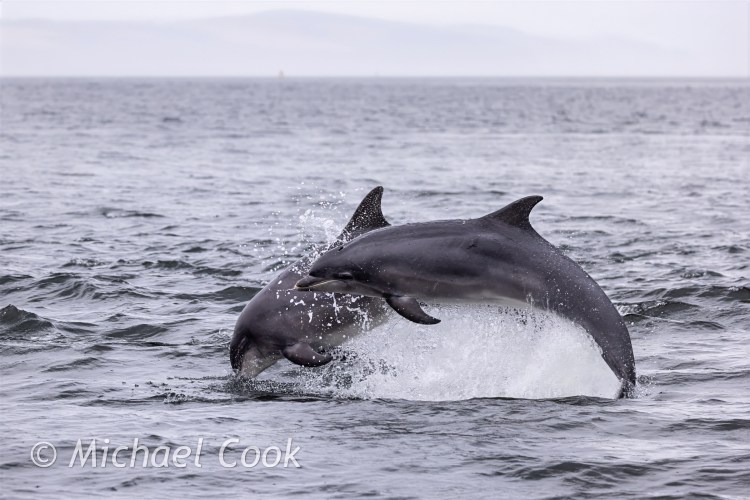
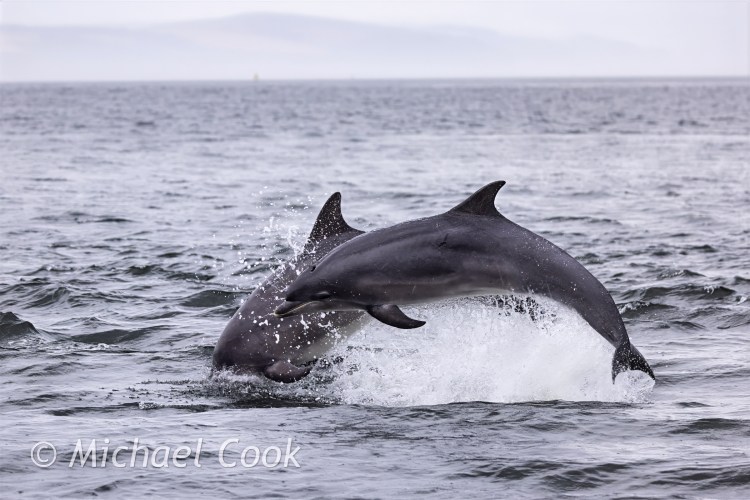
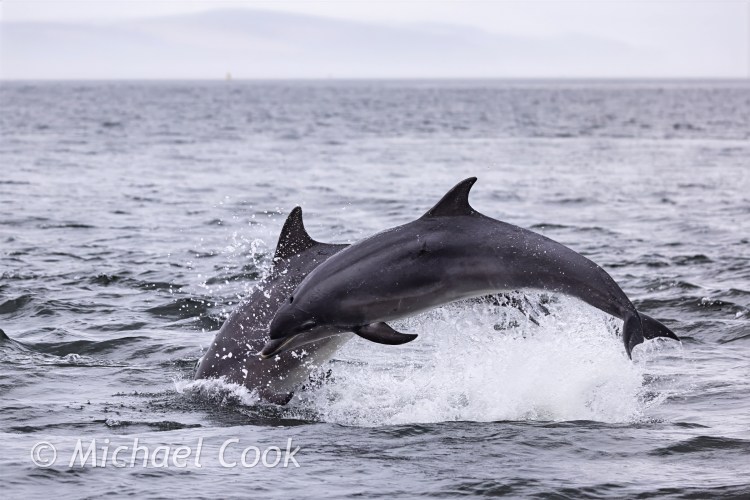
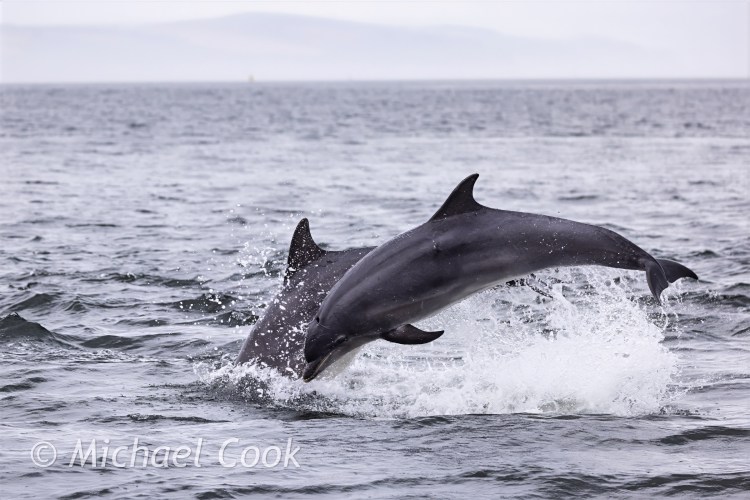
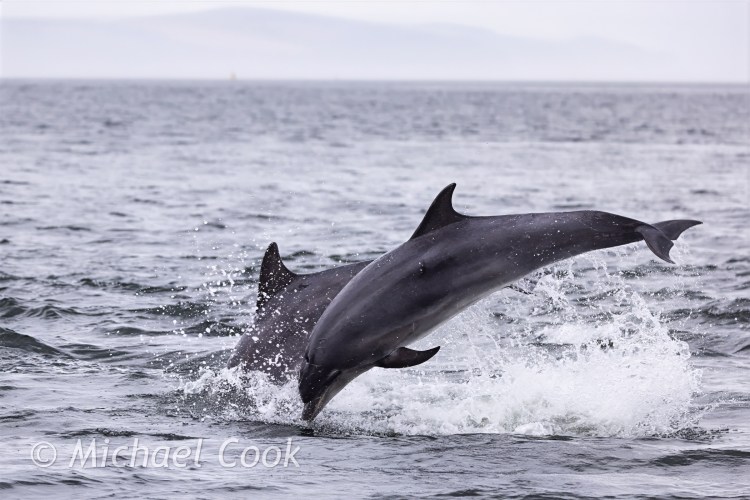
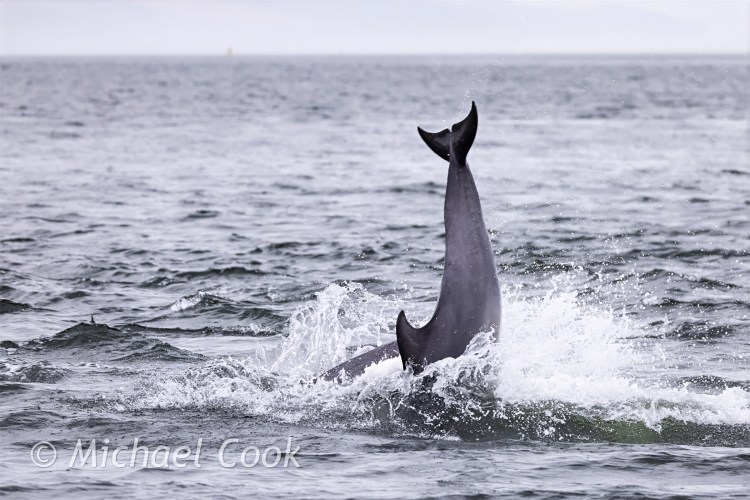
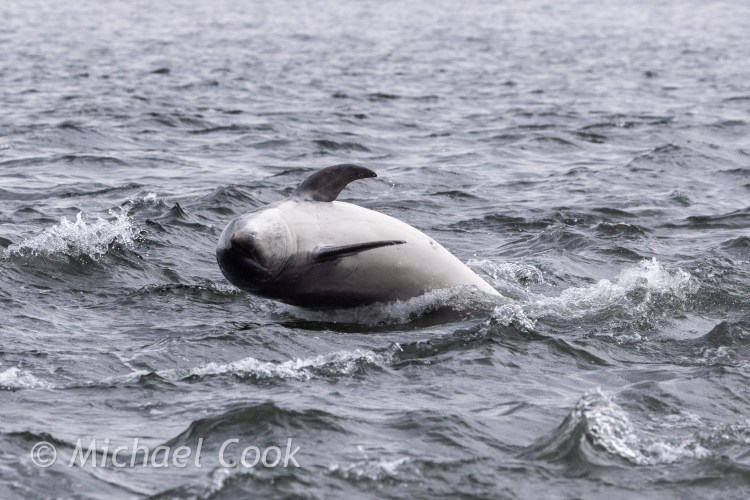
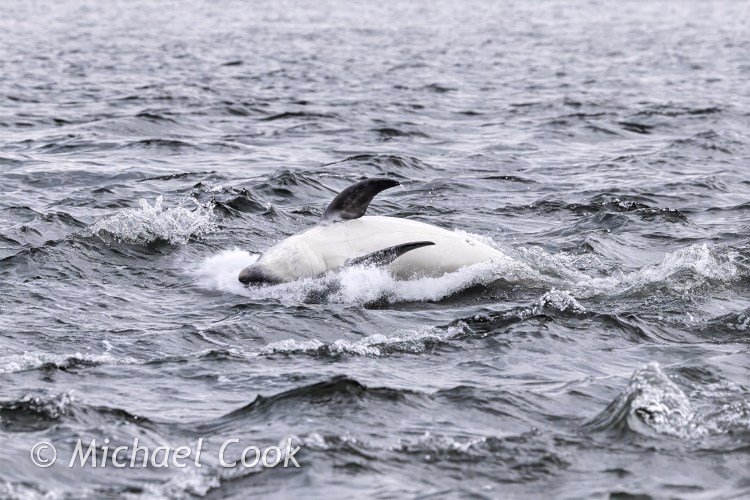
One Dolphin had a taste for jumping and spinning at the same time – showing its underside and the contrast of dark and light shades.
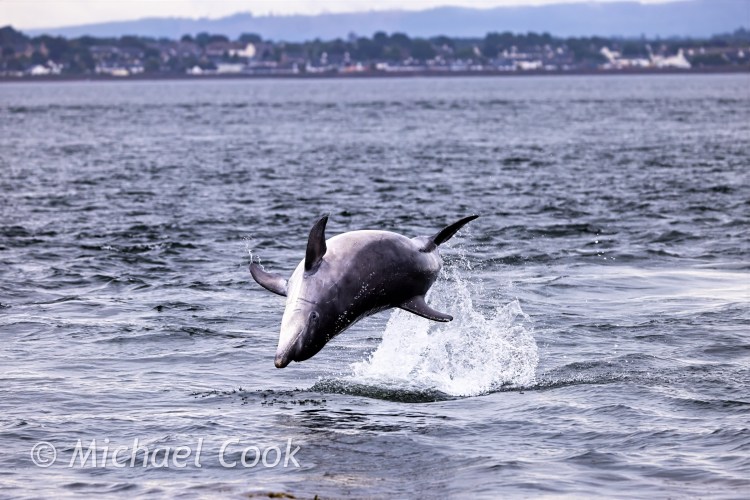
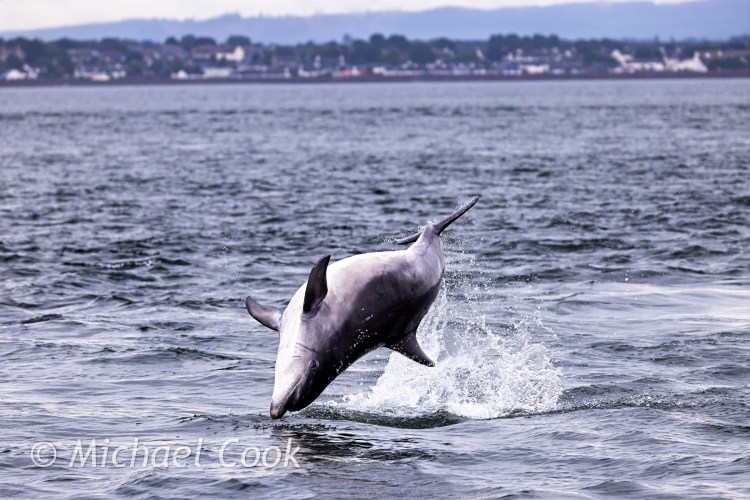
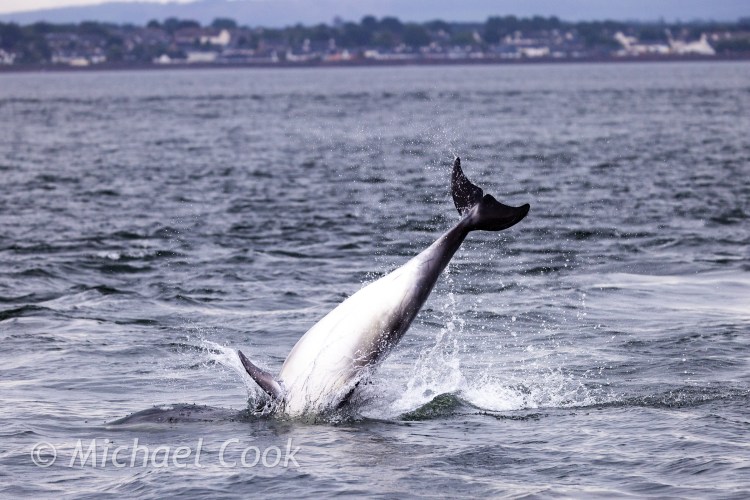
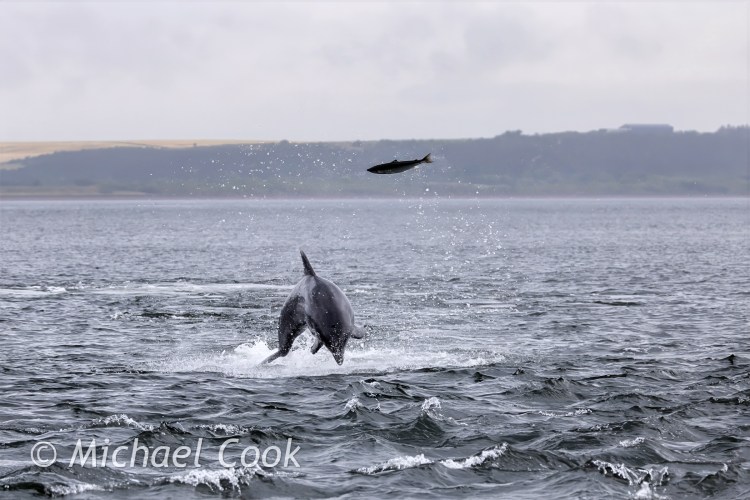
Towards the end of our time the Dolphins were obviously chasing larger Salmon and some of these jumped clean out of the water trying to escape adding to the drama.
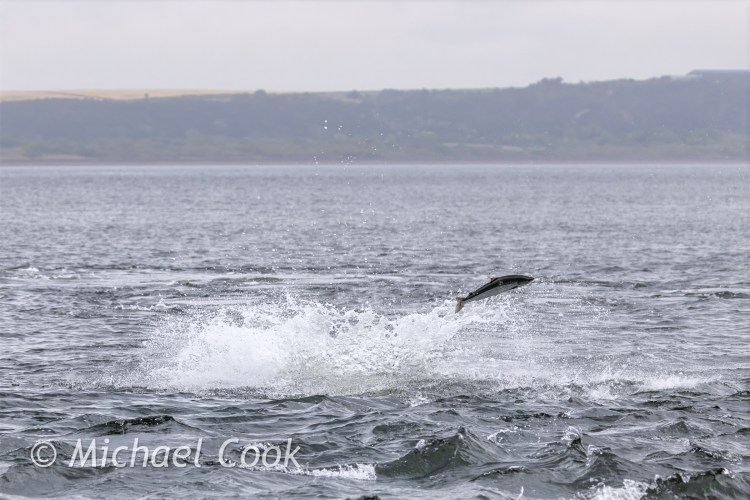
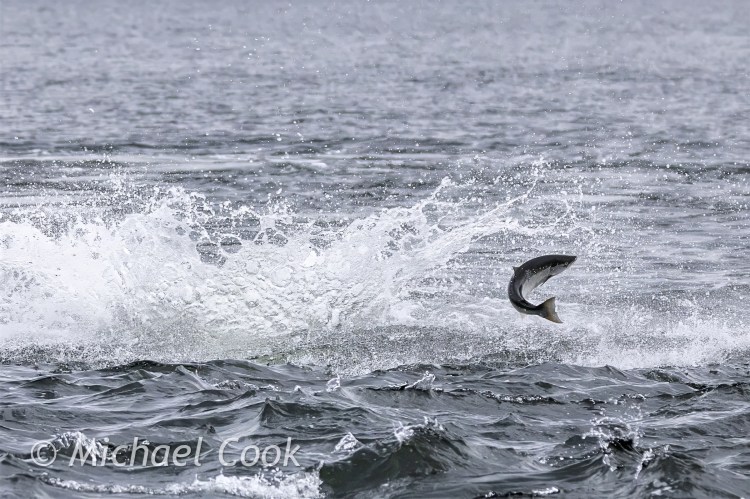
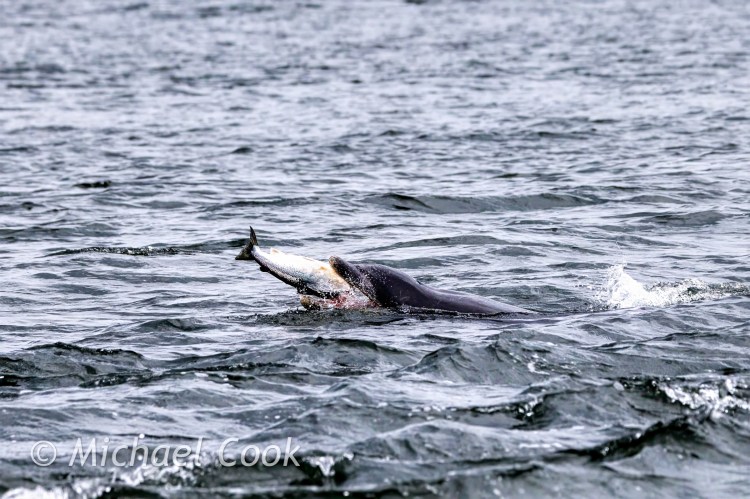
Lastly a few more misc shots.

 WildScot Photography
Chanonry point is such a magical place for lots of reasons! I’ve yet to be lucky enough to see Dolphins though!
LikeLike
Yes indeed. I recommend May-Sept 1-2 hours after low tide
LikeLiked by 1 person
One of my favourite sea creatures — fabulous photos!
LikeLike
Yes aren’t they amazing
LikeLiked by 1 person
I like seals and orcas and belugas too 💚🍃 Saw a lot of seals in northern Scotland and around the beautiful Isles like Iona when I visited there
LikeLike
Spectacular shots! What an amazing spectacle that must have been. I didn’t realize that dolphins live that far north.
LikeLike
Great set of shots, I was across the water on the 15th when a good number turned up but didn’t perform quite like these. I can’t handle the crowds at Chanonry 🙂
LikeLike