So my “habitat-focus” for this month is the River Devon. At just over 30 miles in length this is a fairly short river starting in the Ochils above Menstrie and Alva and entering the Forth about 5 miles away as the crow flies at Cambus. River’s are a rich habitat that attract a different range of wildlife and we are lucky in Menstrie to have this river pass just behind the village.
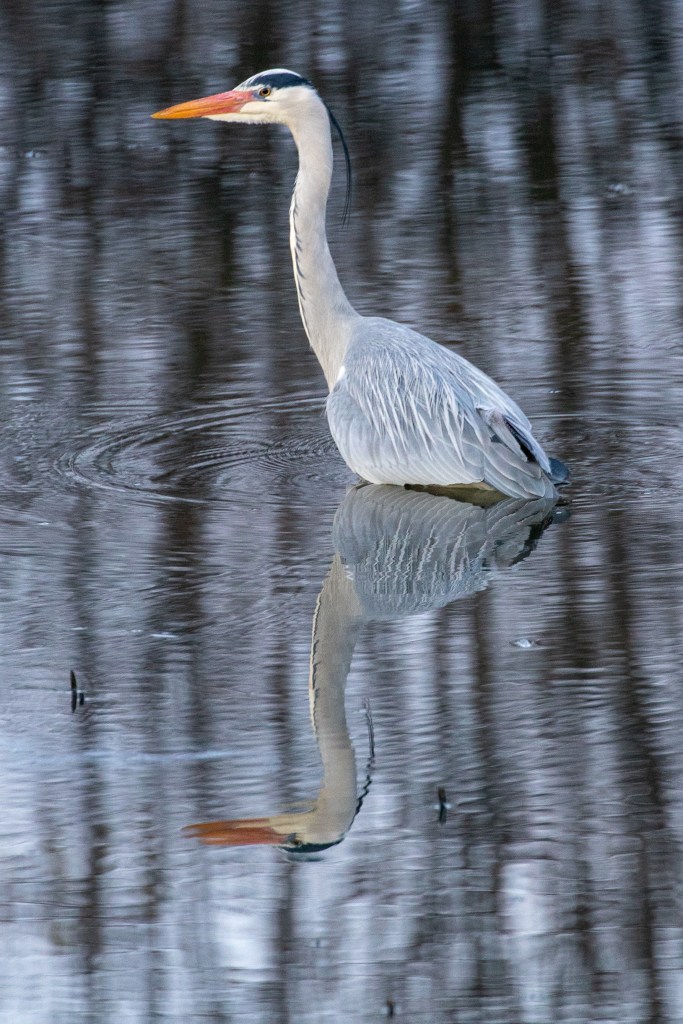
I took a walk early in February one sunny morning before work and was pleased to see many of the classic river dwellers. First up was the Grey Heron in the SUDS pond.
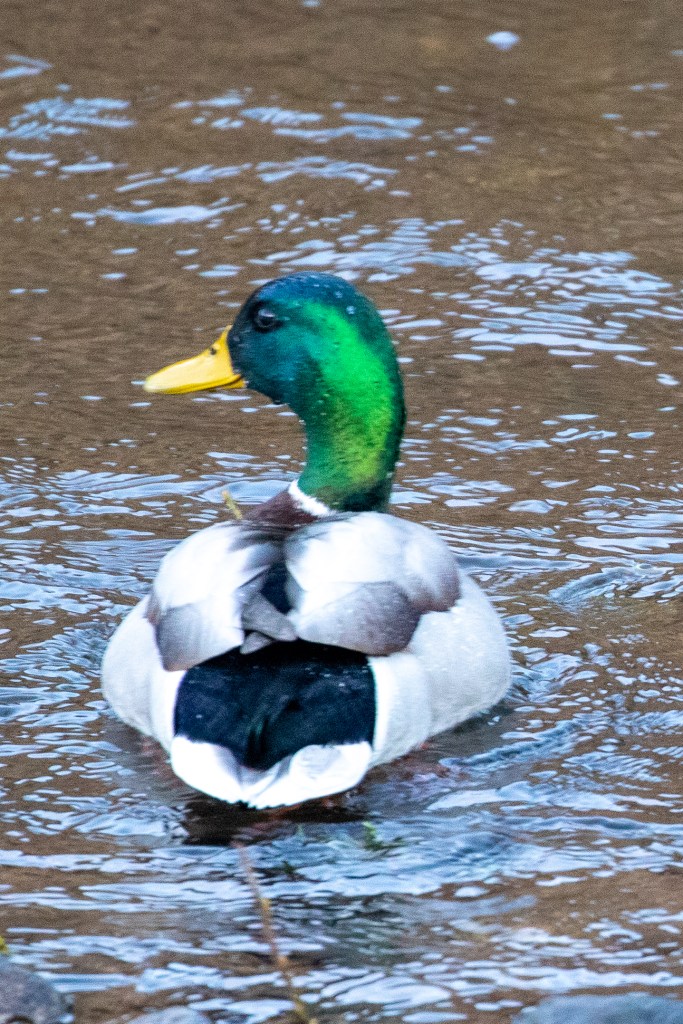
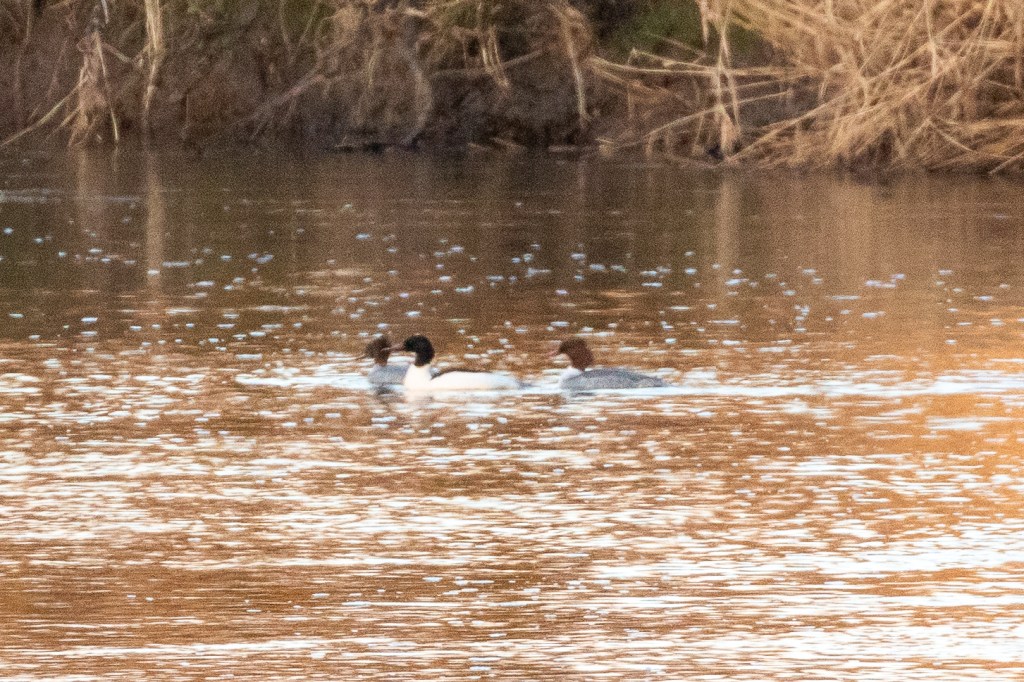
Continuing to the river itself and I see three Mallards flyover and land in the river. Further upstream I see some Goosanders too (too females and a male). I get a distant image of this bird.

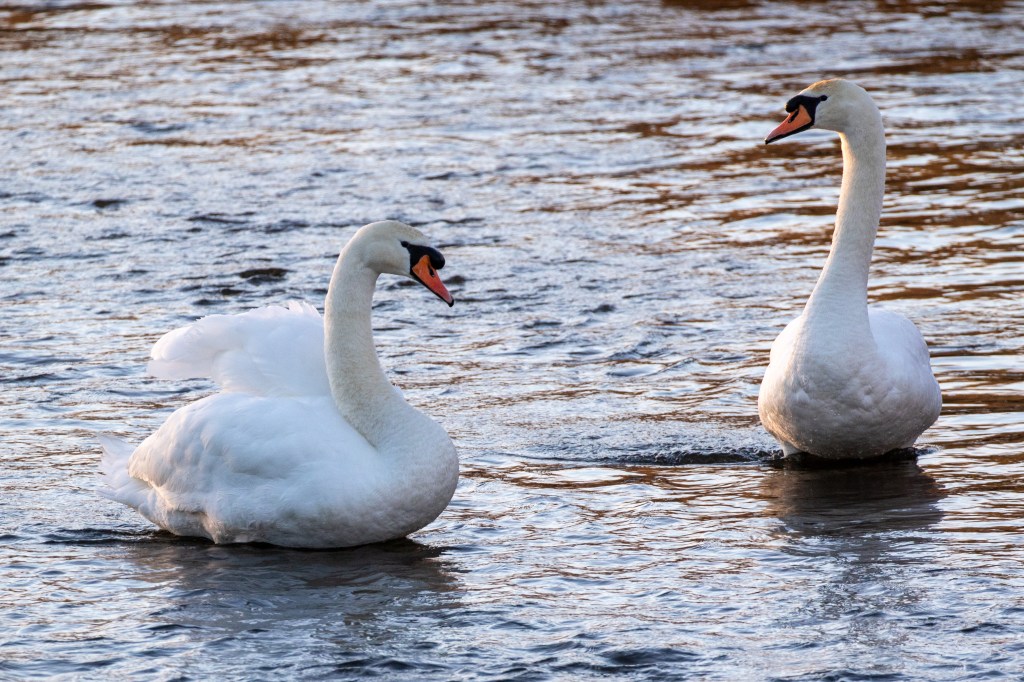
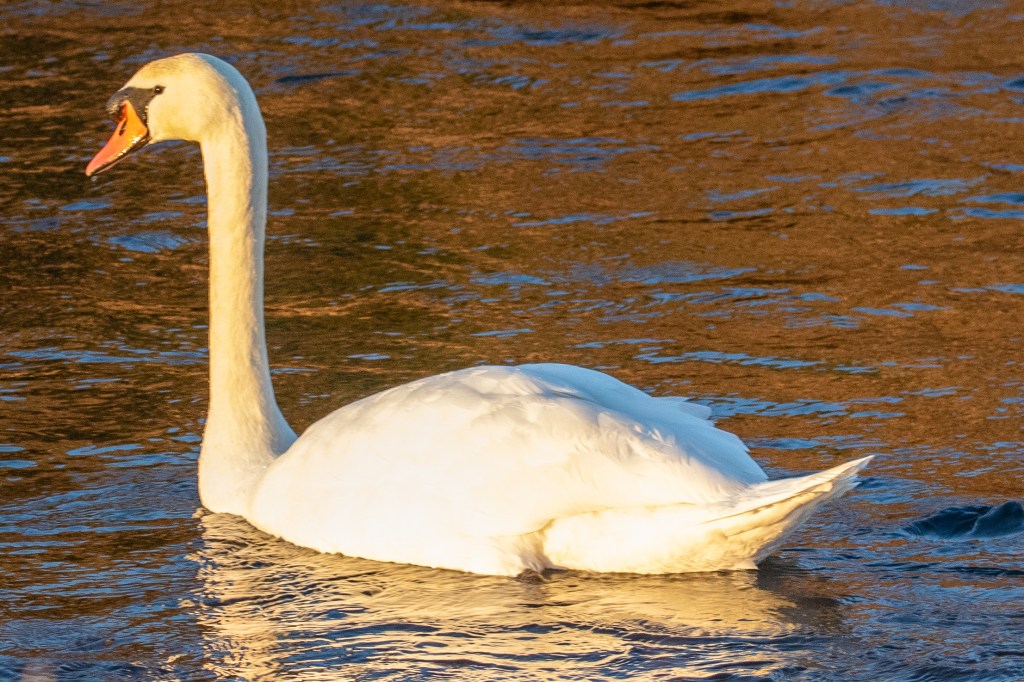
Some Mute Swans are around the cycle path bridge most days and sometimes they gather in significant numbers – last year I counted 120. Just two today.
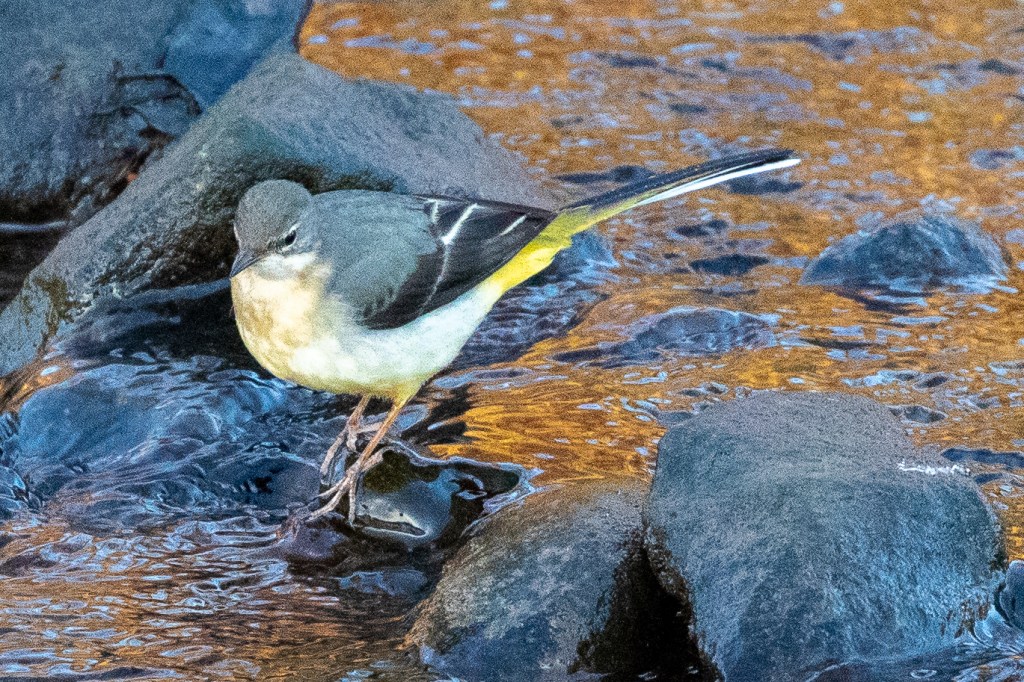
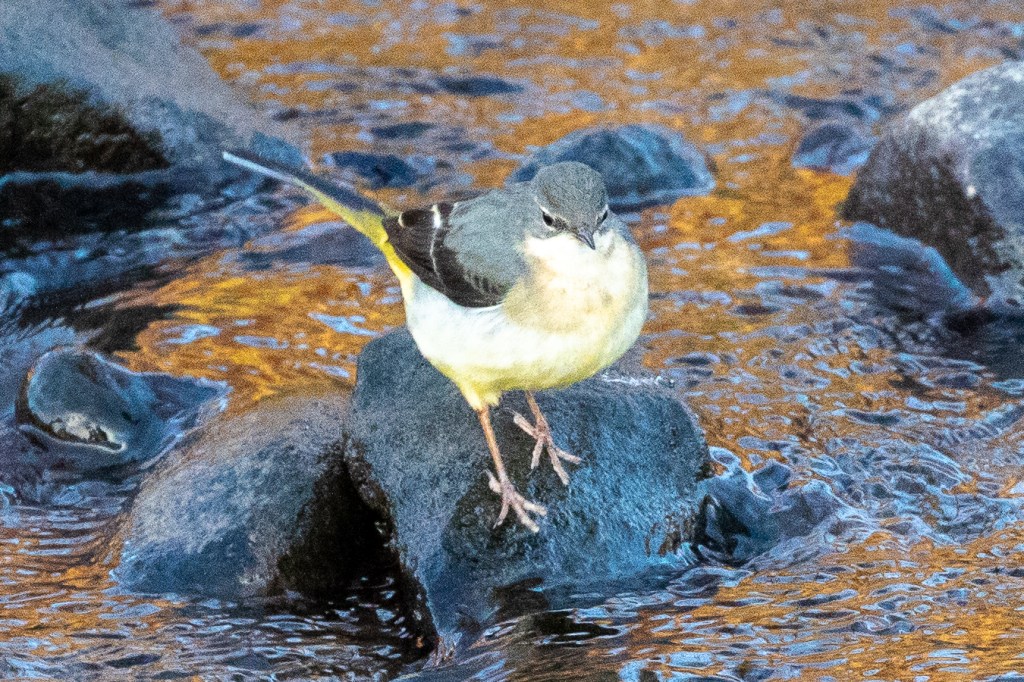
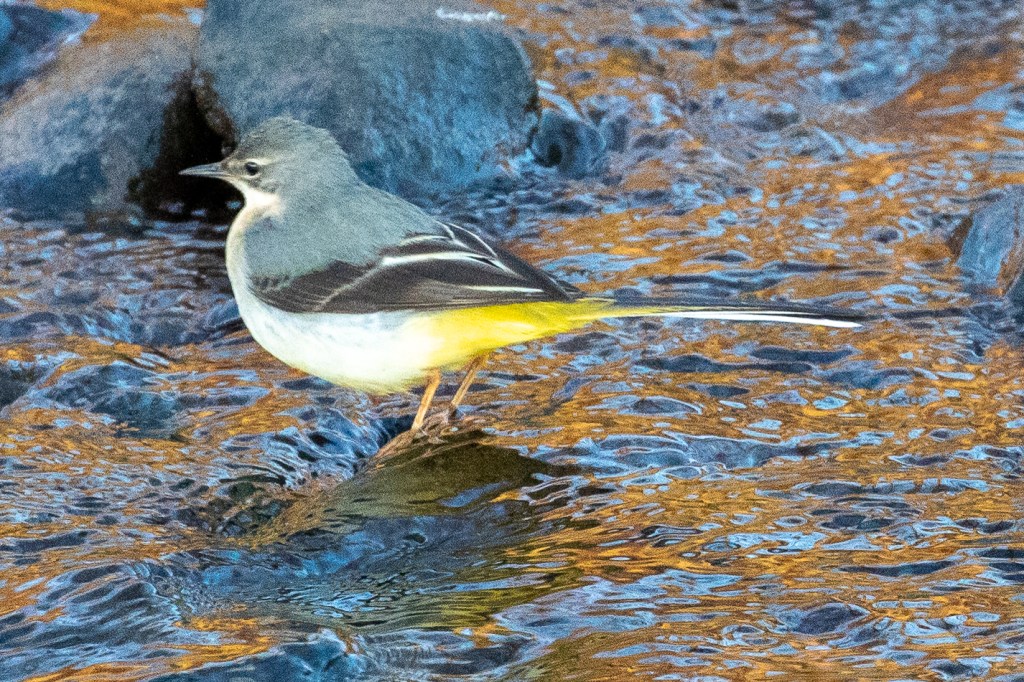
Next up are two classic river dwellers that are among my favourites. First the Grey Wagtail is often seen around here with its ridiculously long tail and bobbing motion. This is quite a confiding bird and allows some good photos. It is more interested in picking up insects around the rocky island in the middle
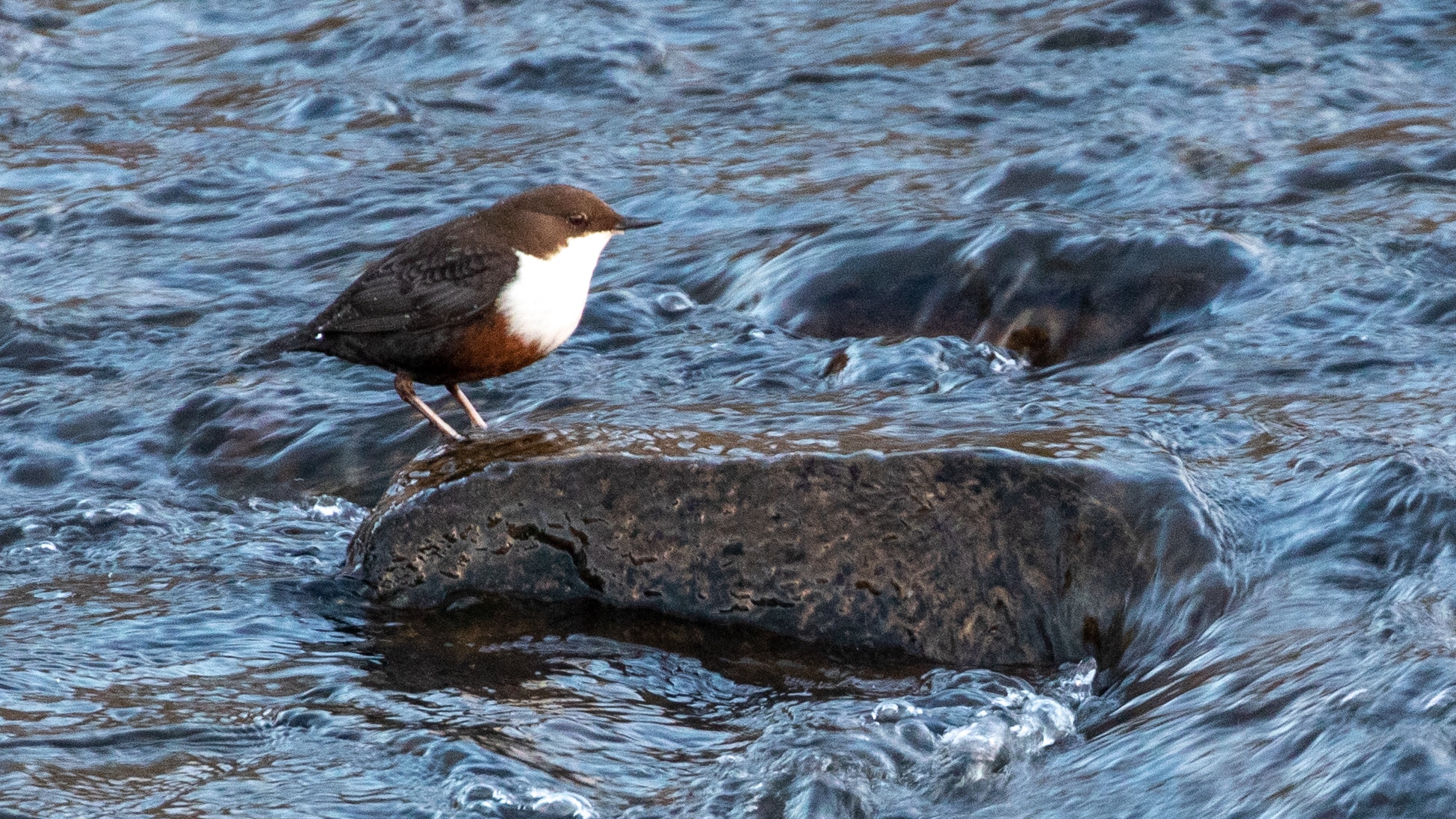
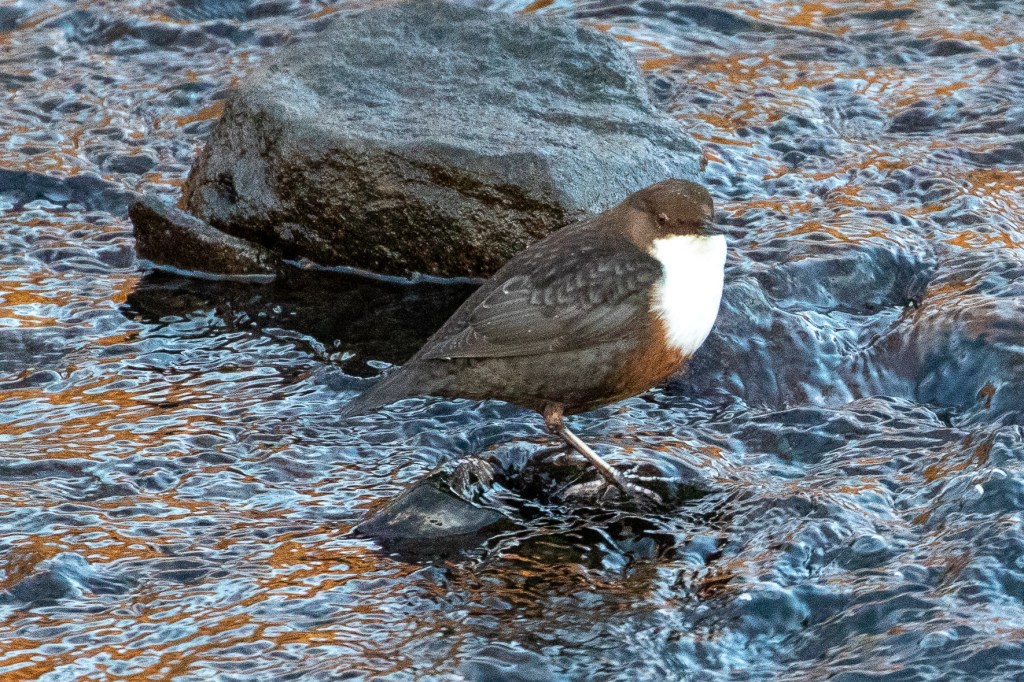
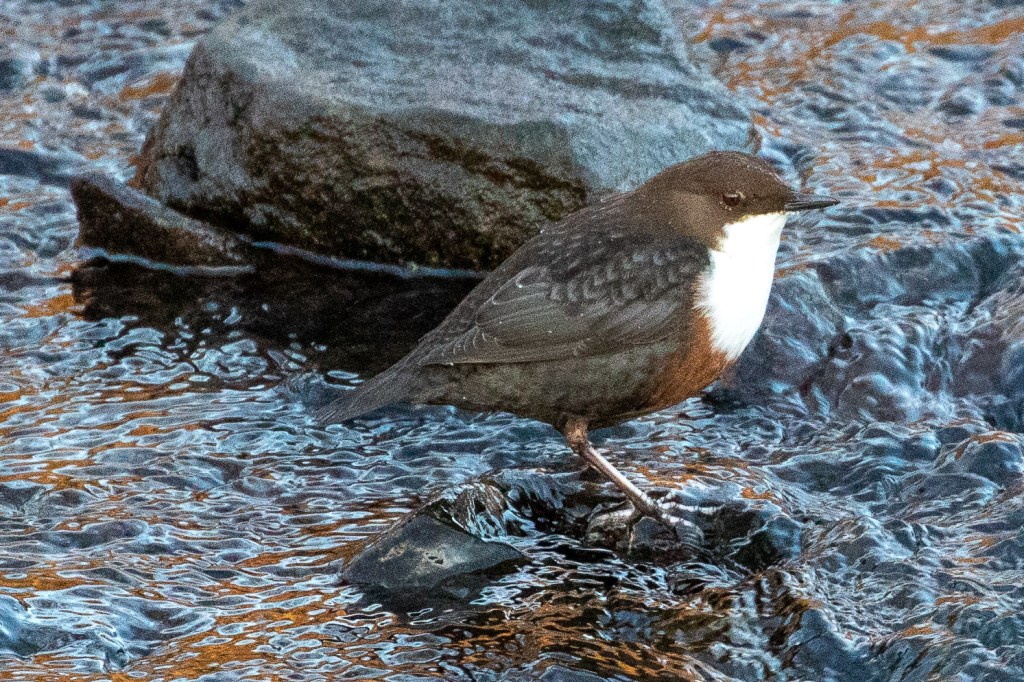
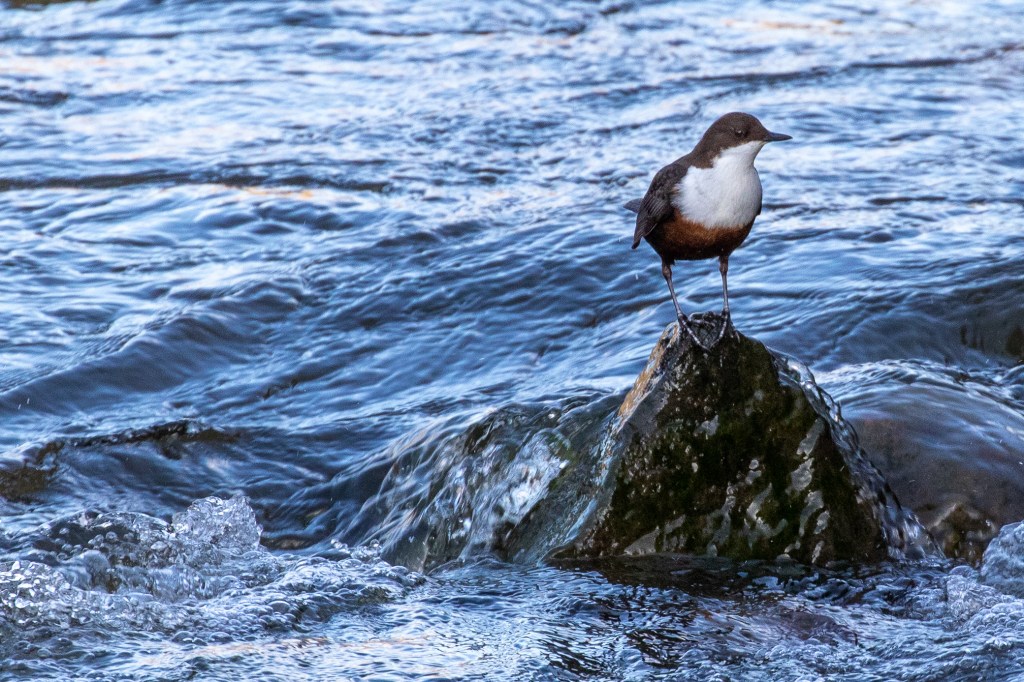
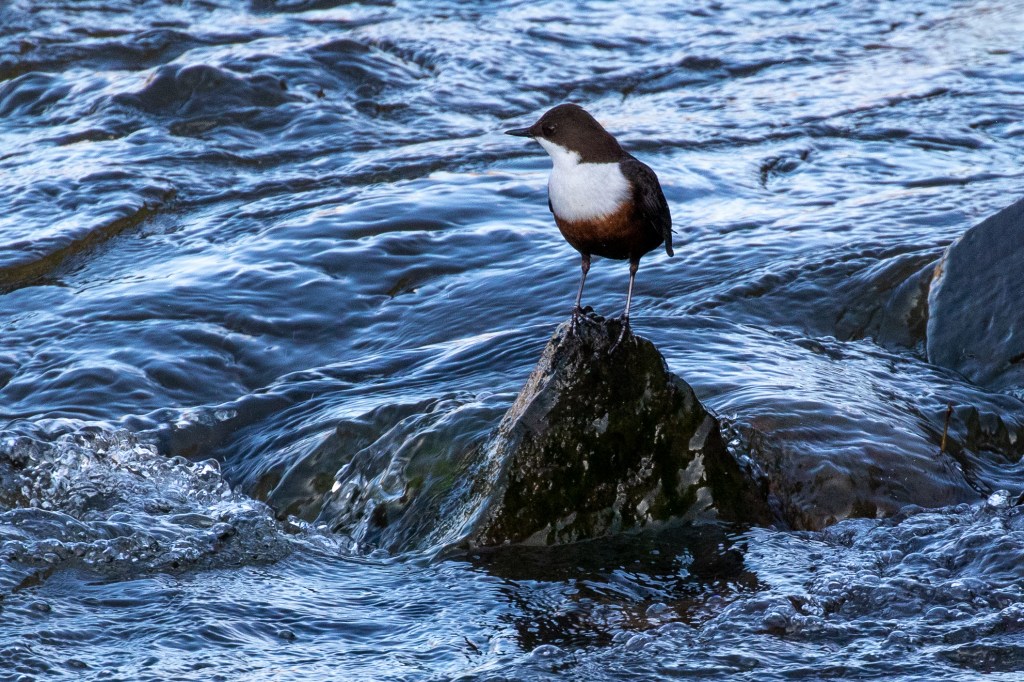
It is then joined by one of my favourite birds the Dipper. I often spot the bold white bib in the shadows or just the movement as it habitually bobs up and down or dives in and out of the water preferring to find its food at the bottom of rivers and streams. The combination of black, white and chocolate brown make this an unmistakable and striking bird. It is well named too.
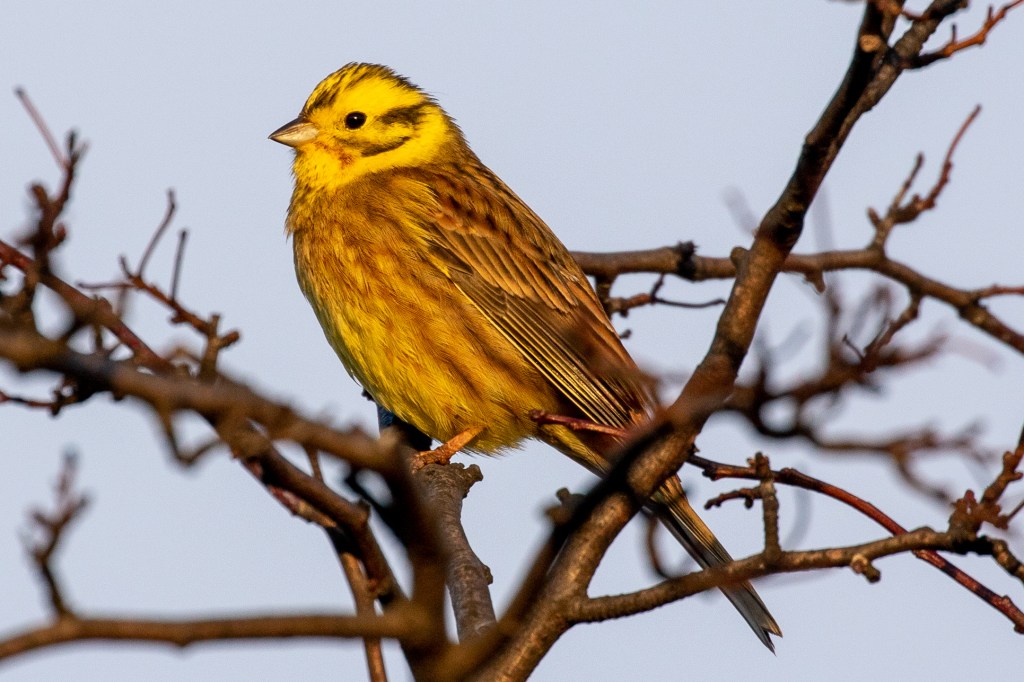
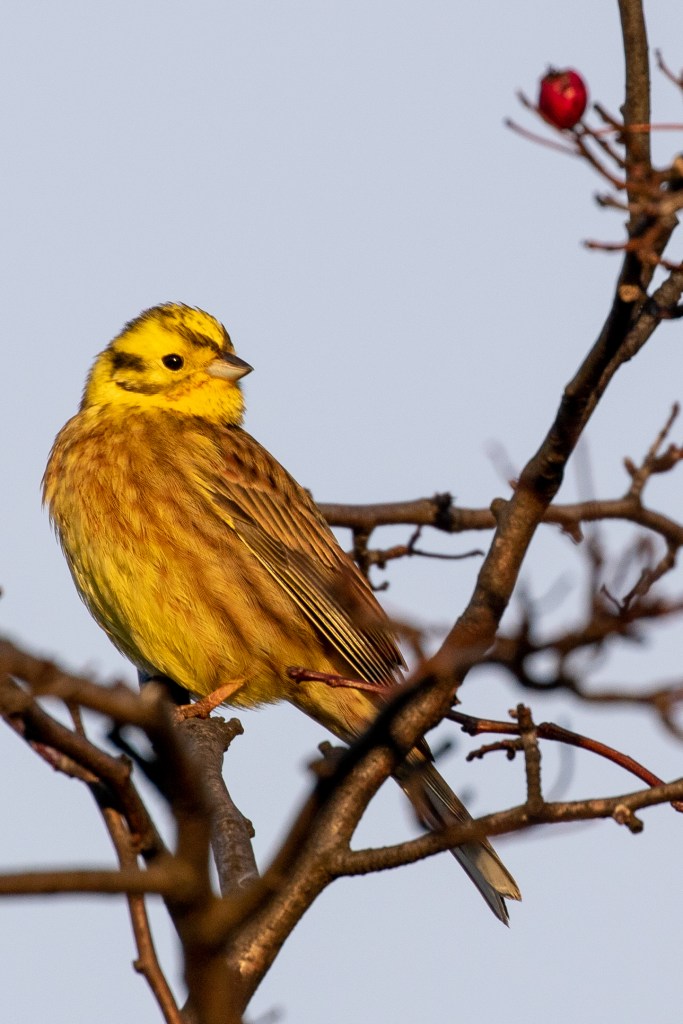
The Yellowhammers have mostly been absent around the village over the winter preferring to go down to Tullibody Inch where I counted 120 last winter roosting together by a cereal crop field. But on this walk I see my first this far up stream of the year. A striking male cheeping from the top of a large Rosehip.
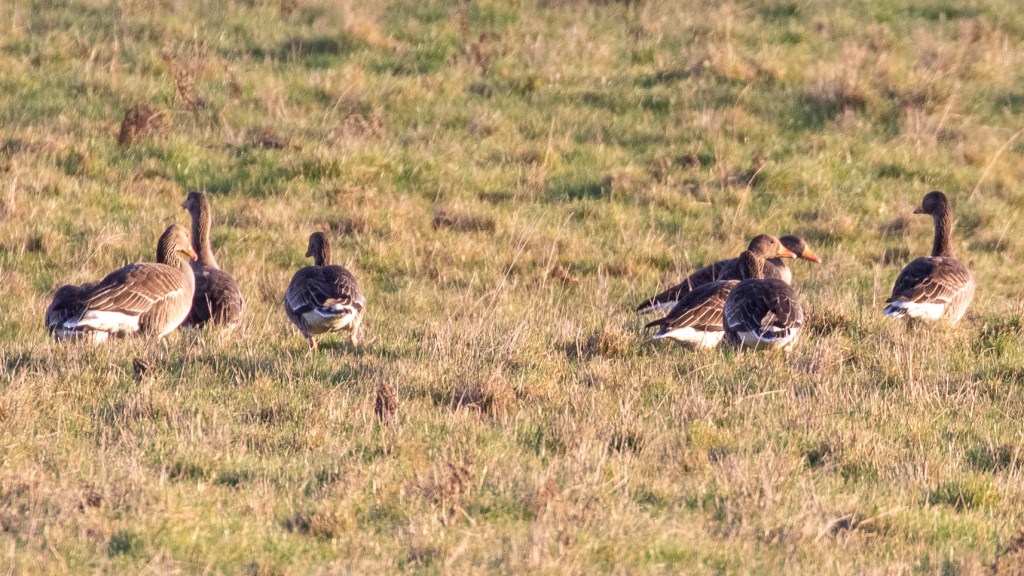
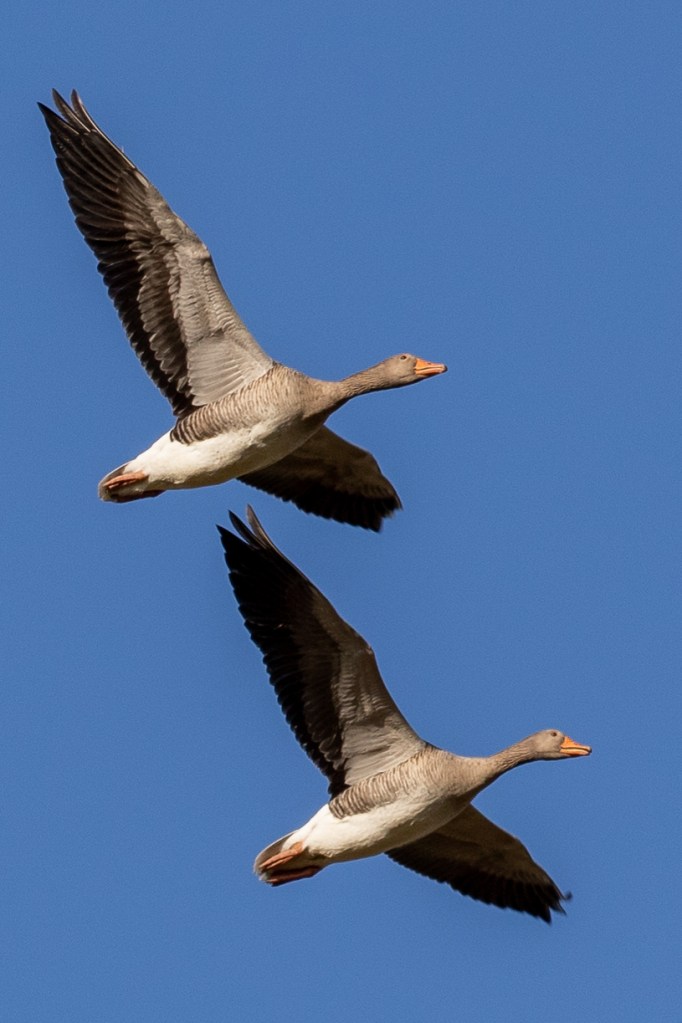
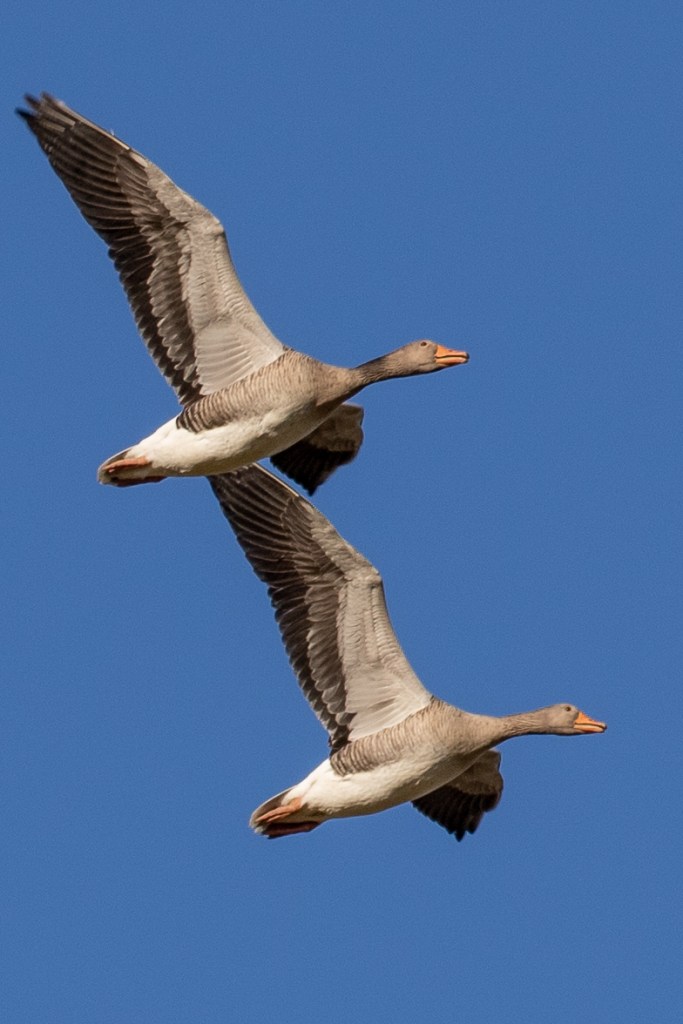
Heading back to the Menstrie side of the river I see a small group of Greylag Geese that have been hanging around over the winter. I count 7. Told from the truly wild Pink Footed Geese by bright their yellow/orange bill, farmyard honk and tendency to form smaller flocks these birds are often seen here all year round.
As I head back to Menstrie the hedgerow has one last treat for me. I hear the chirping of sparrows and am pleased to see that there are several Tree Sparrows around. The country cousin of the much more common House Sparrow distinguished by their solid brown cap.
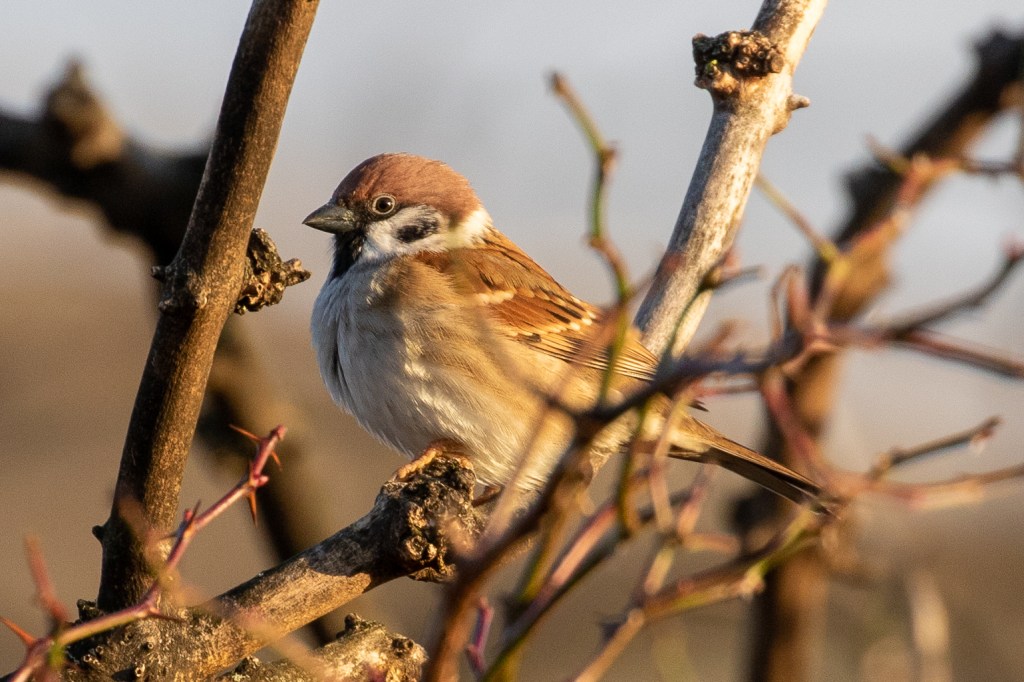
Towards the end of the month I took another walk one Sunday afternoon and saw many of the same birds but also some new species. It was a lovely spring day with a gorgeous blue sky which falls you into thinking winter may be passed for another year. On this time of year I start to look forward to migrants, it won’t be long before Sand Martins returning from Africa fly up this river. Or a Common Sandpiper takes its place on the bank here. Perhaps I might see a Wheatear flying through on its way up to the hillside above the village.
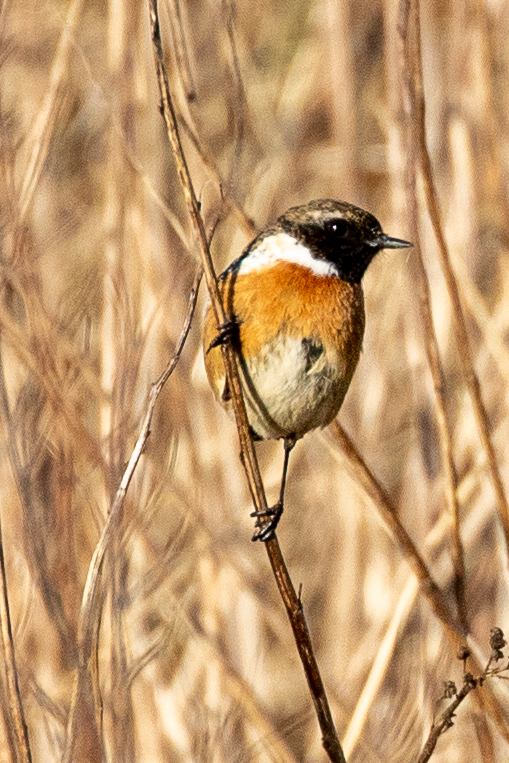
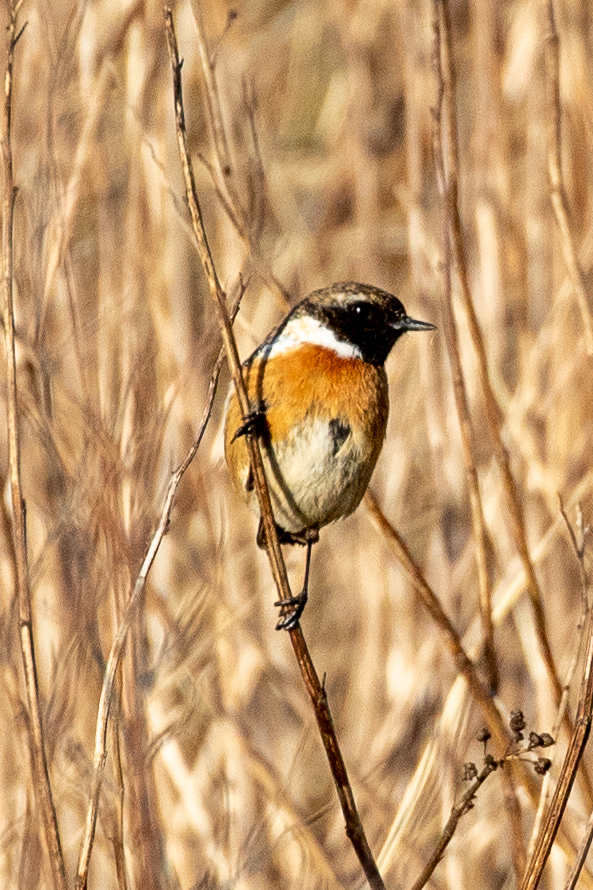
Not a true migrant but I am pleased to see a lovely Male Stonechat clinking to a read. I don’t often see Stonechat here more frequently by the coast in winter or up Menstrie Glen in the summer where they breed. I wonder if this has overwintered here or is just passing through.
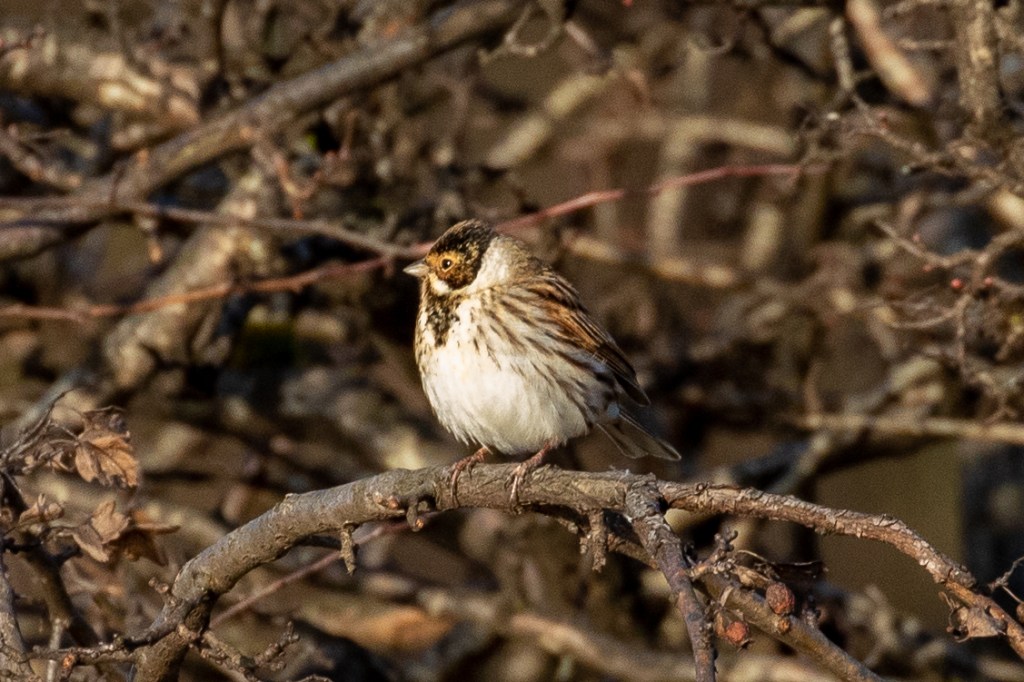
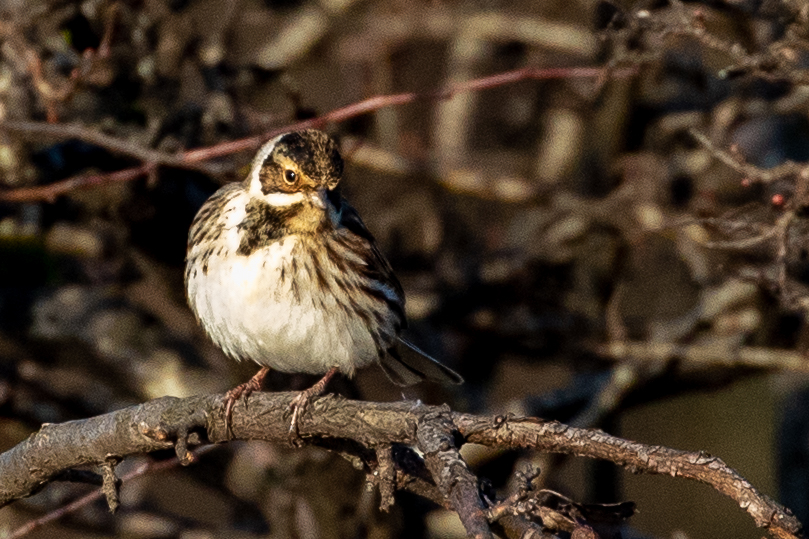
Another fresh bird for this walk is a Reed Bunting. This is a male but it hasn’t yet got its full and striking breading plumage but there are hints of it.
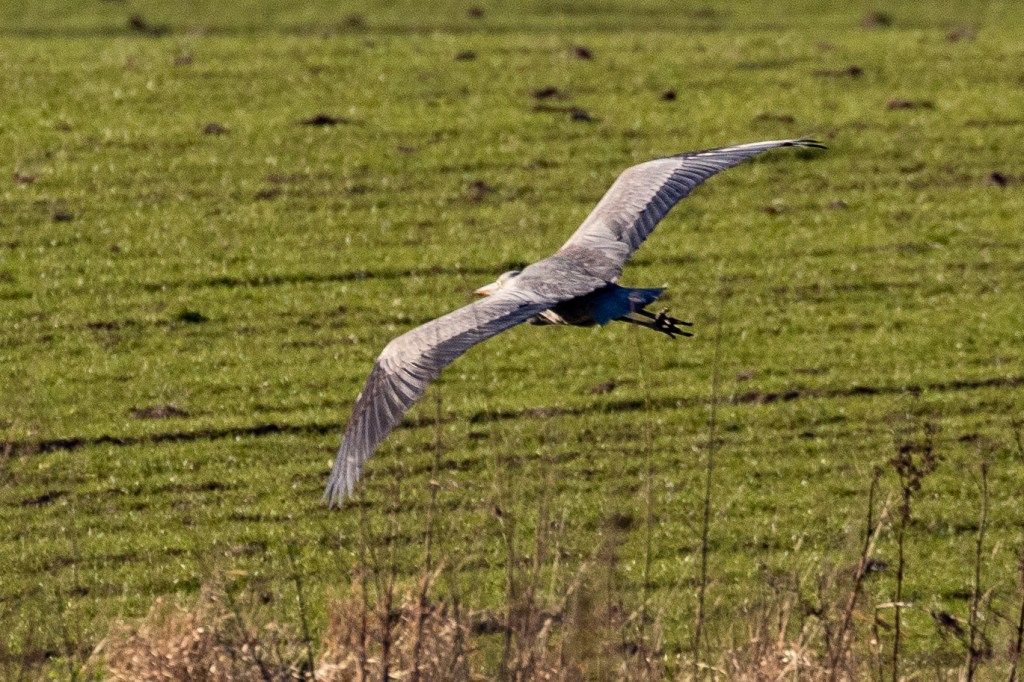
I accidentally disturb a Heron which lifts up and flies a couple of hundred meters downstream before landing in a field on the opposite bank.
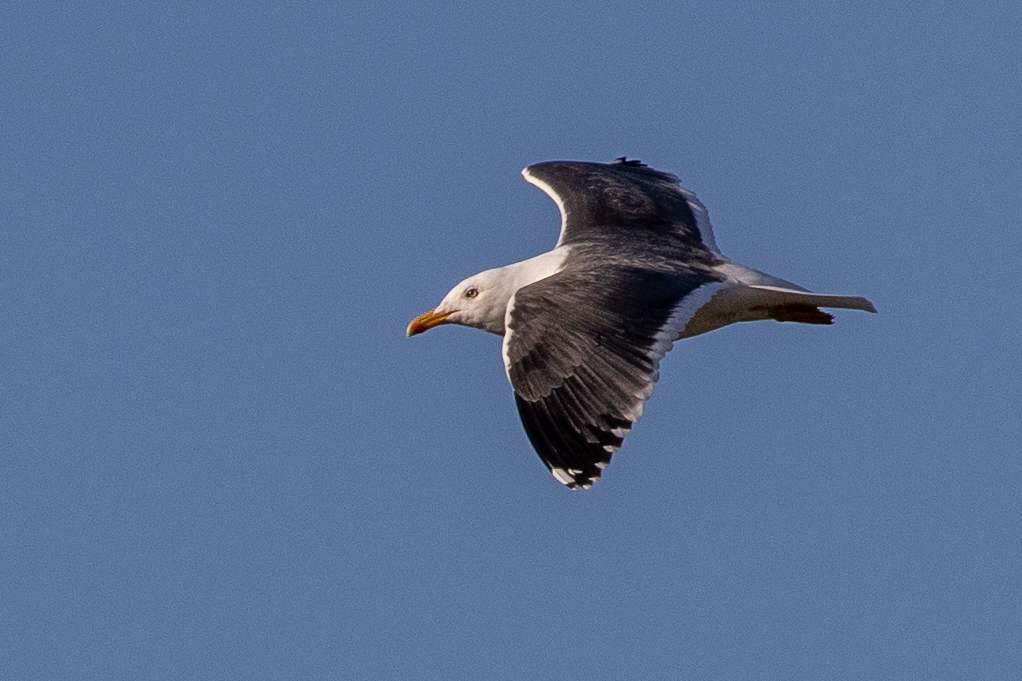
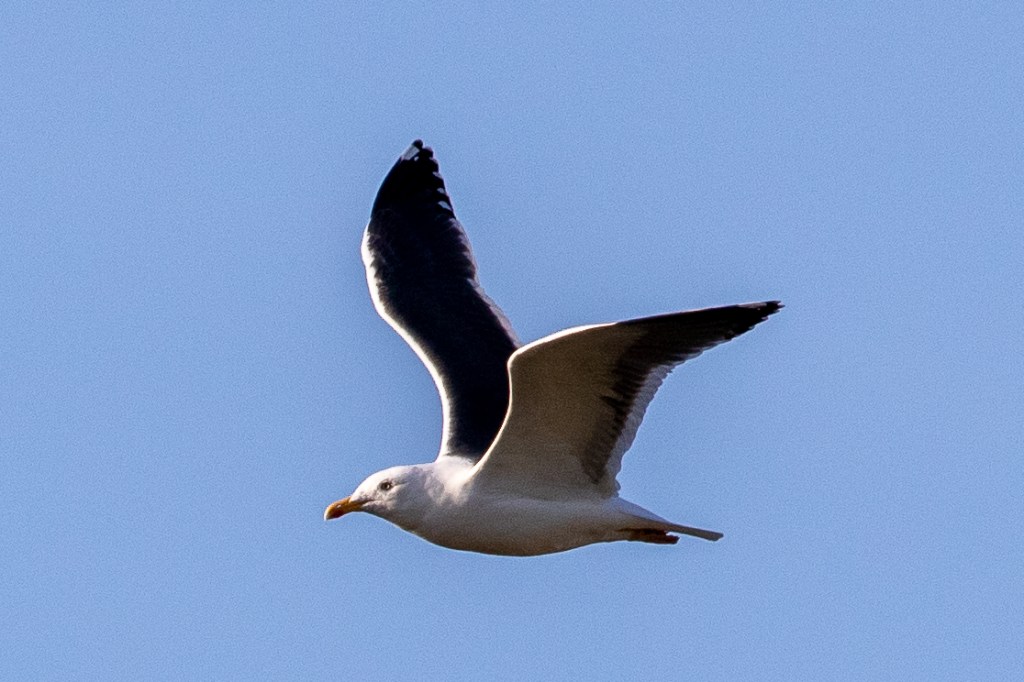
A Lesser Black-Backed Gull cruises by. A few overwinter here but most travel further south even to the continent. This is the first I have seen in Clacks this year.
A classic winter sight and sound is Geese flying over. On this walk I see some small flocks of Greylags, and one is close by for good photos of a fine pair. Here you can see the strong orange beak which tells them apart from Pink Feet.
Far more enjoyable for me is having hundreds of Pink Footed Geese fly over. This is a winter only sight as these birds will soon be heading north to Iceland to breed. Here you can see the smaller less colourful bill and dark heads which identifies these as Pink-Footed Geese.
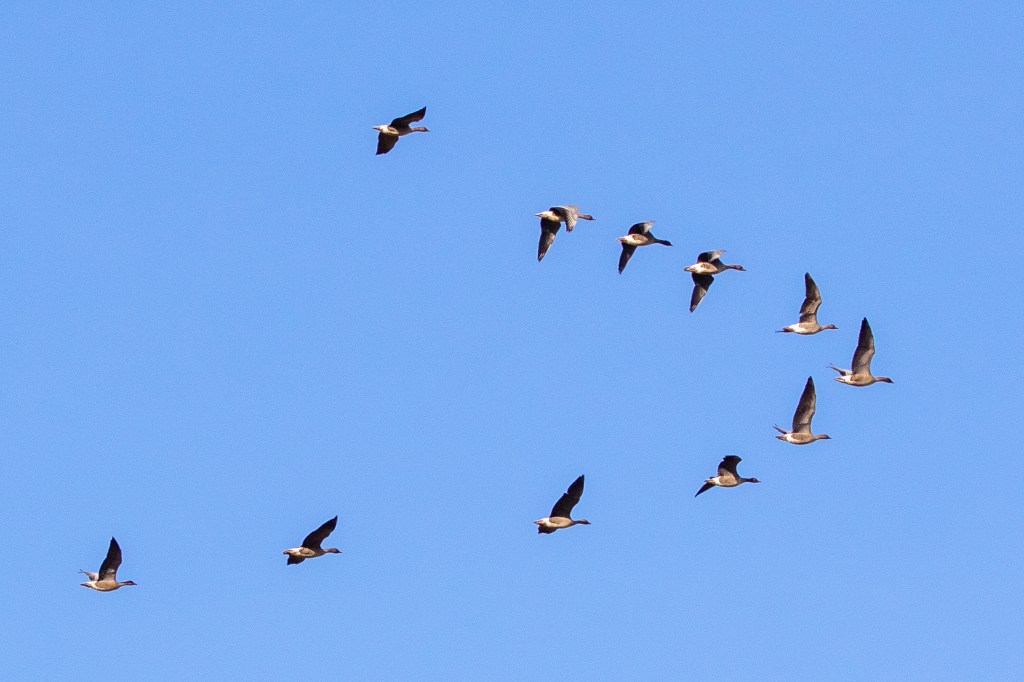
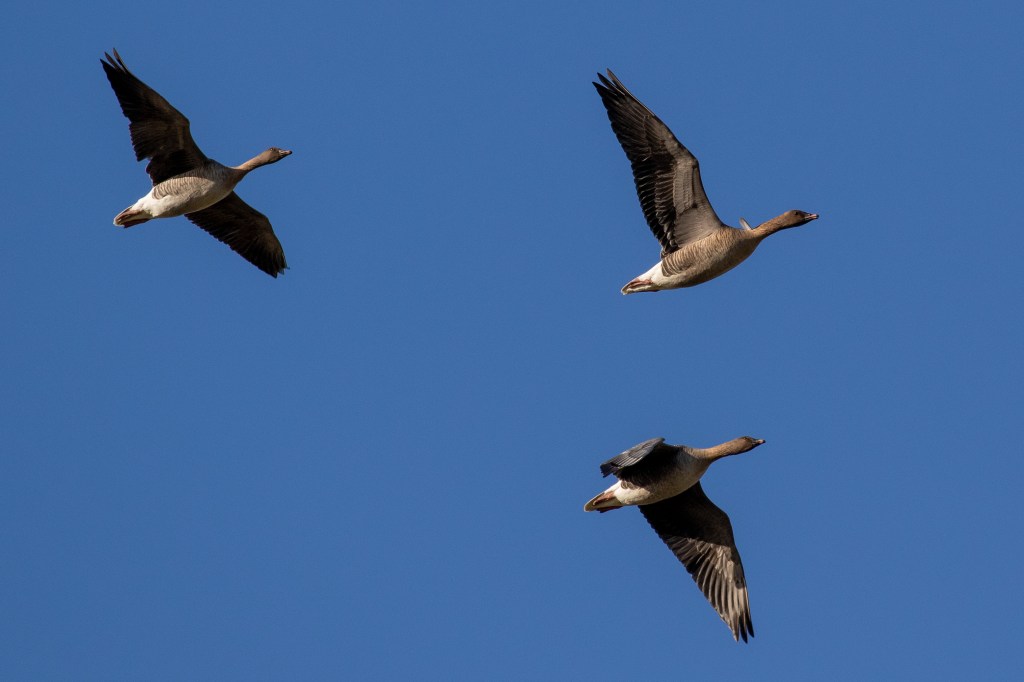
I encourage you to watch the video at the top of this post to see and hear the geese further. See you next month for another habitat focus.
Discover more from WildScot Photography
Subscribe to get the latest posts sent to your email.
I think I have seen 2 pairs of Smew on the river Devon can anyone confirm?
Can you say where? You mean 4 birds that would be unlikely. Are you sure you mean Smew and not Goldeneye?
Smew normally term up as singles or occasional pairs, never heard of 4 together