
At the end of March into early April 2022, we had one week on Harris and Lewis. It was a great opportunity to catch up with the wildlife of the Outer Hebrides.
The wildlife of Harris and Lewis
I thought I would write a brief summary of our time on the island. I hope it is useful for anyone wanting to learn about the wildlife of Harris and Lewis.
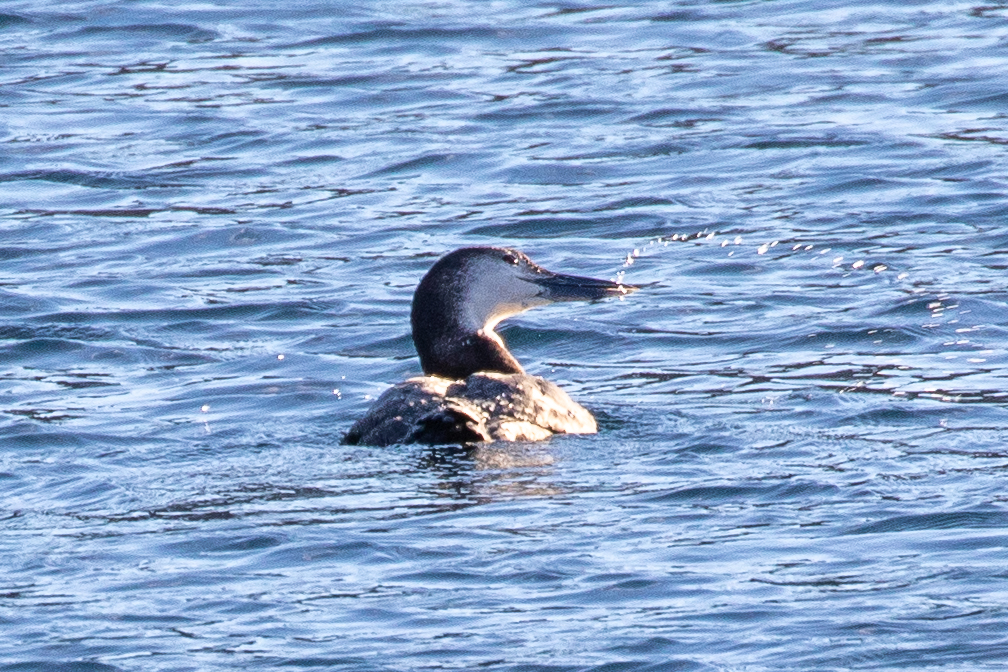
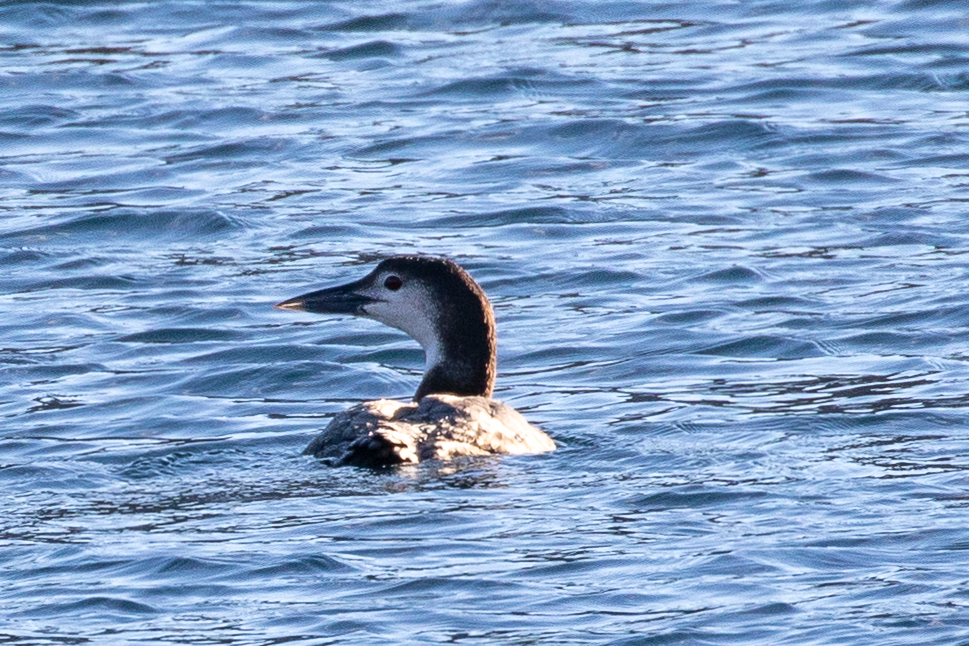
We stayed in Uig on Skye the night before our ferry. We were pleased to see a Great Northern Diver still in winter plumage. It was fishing off-shore. This is a diver you are most likely to see in winter before they head north. The clue is in the name. You can recognise it from other divers by its big chunky bill and steep forehead.
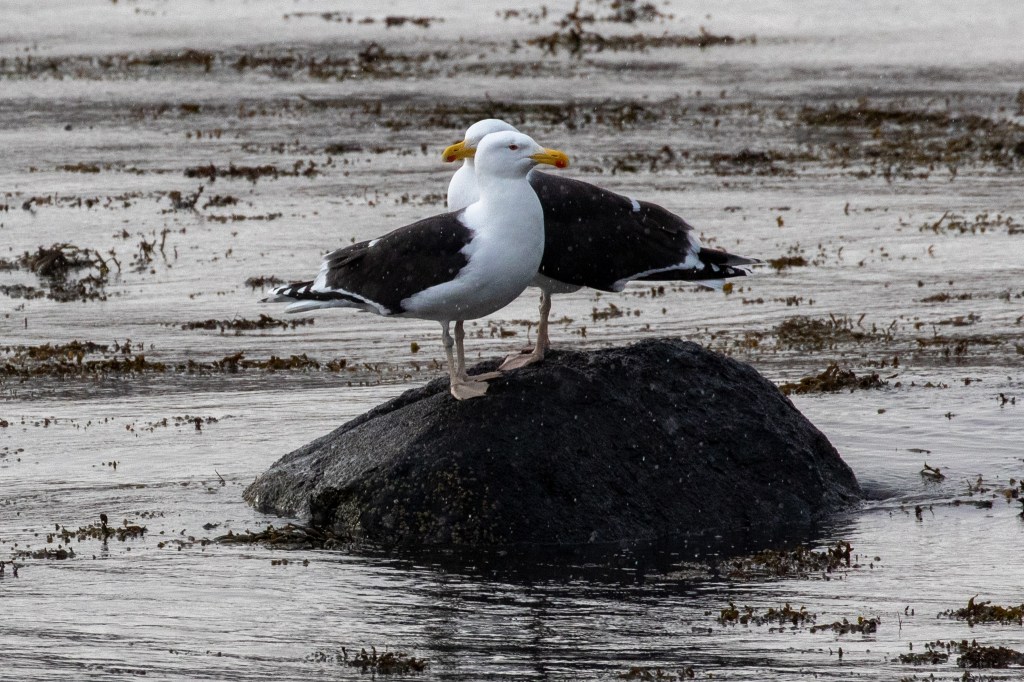
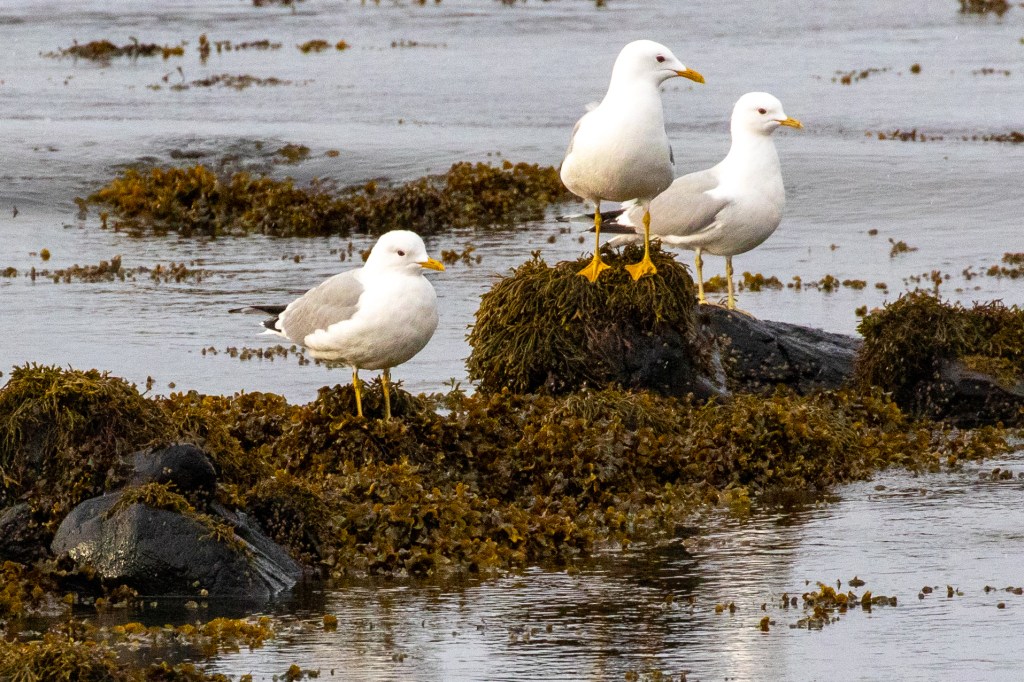
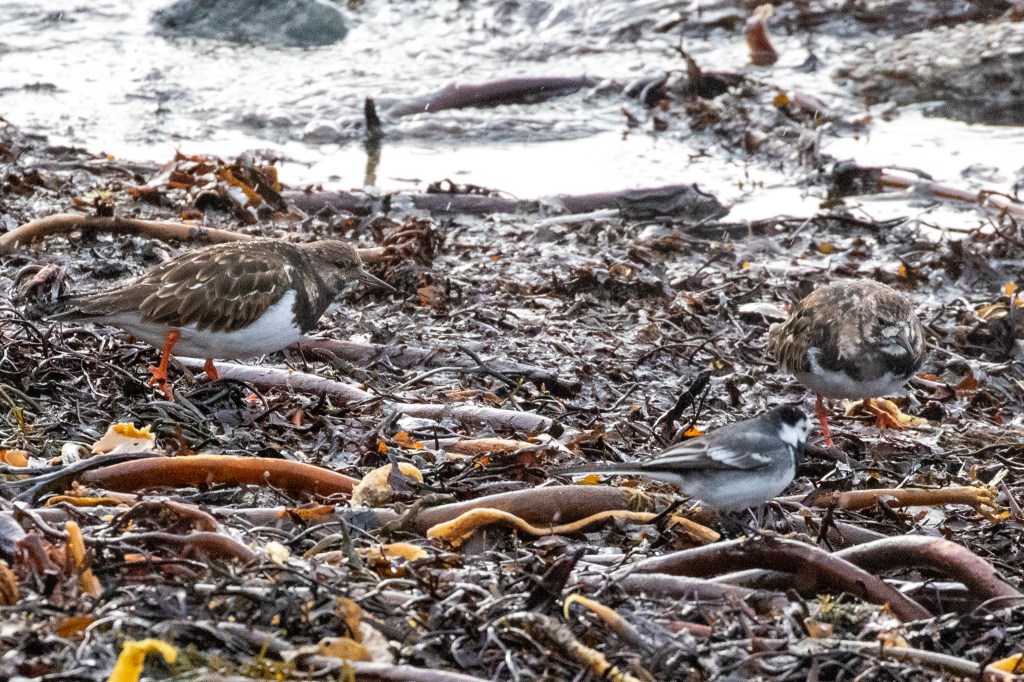
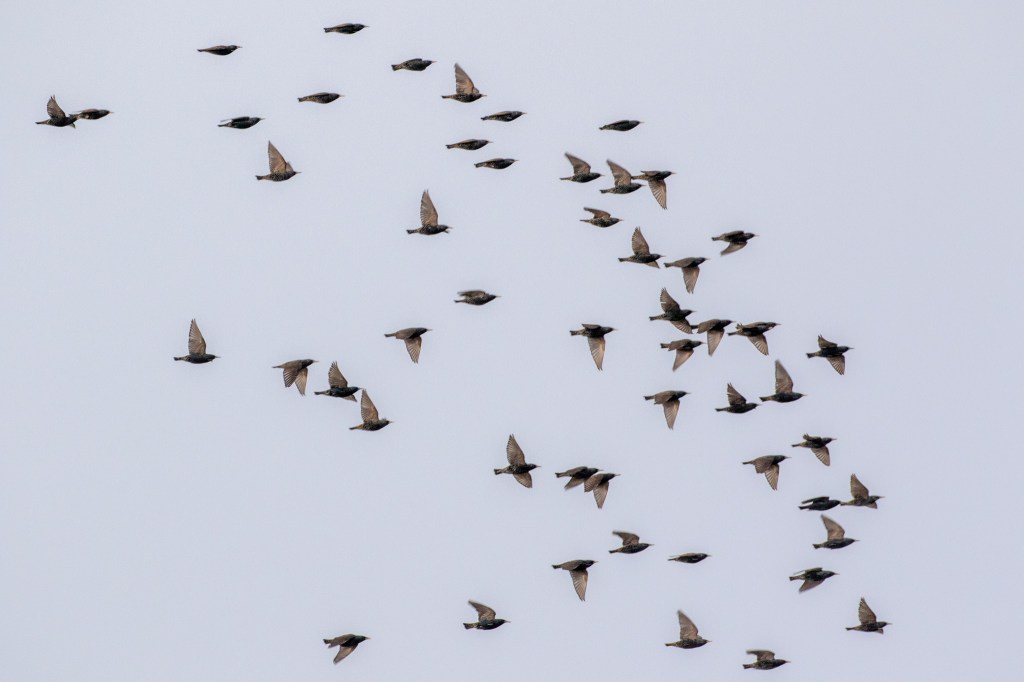
We had an early ferry. Although it was grey and wet waiting around the port, I could tick off a few more species. Eider Duck and Black Guillemot giving distant scope-only views. Kind-faced Common Gulls alongside mean-faced Great Black-Backed Gulls. Pied Wagtail and Turnstone foraging around the seaweed clad shore. A flock of 50 – 60 Starlings taking off and flying over my head moving inland.
Ferries to the Outer Hebrides are a great opportunity for some sea-watching. I always wonder why everybody is inside. They could be starting their holiday with views of Guillemots, Razorbills, Kittiwakes, Fulmars, and Gannets. I hope for a Skua or a Dolphin but not today. As we approach Tarbert on Harris, I briefly see a Peregrine. It is hunting off a small rocky skerry.
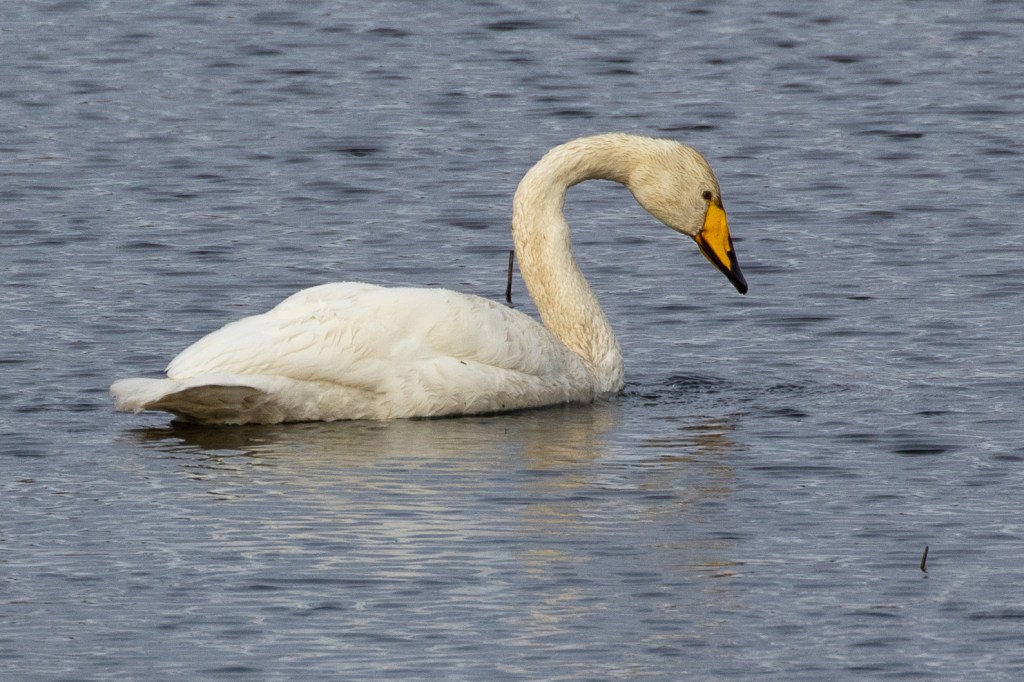
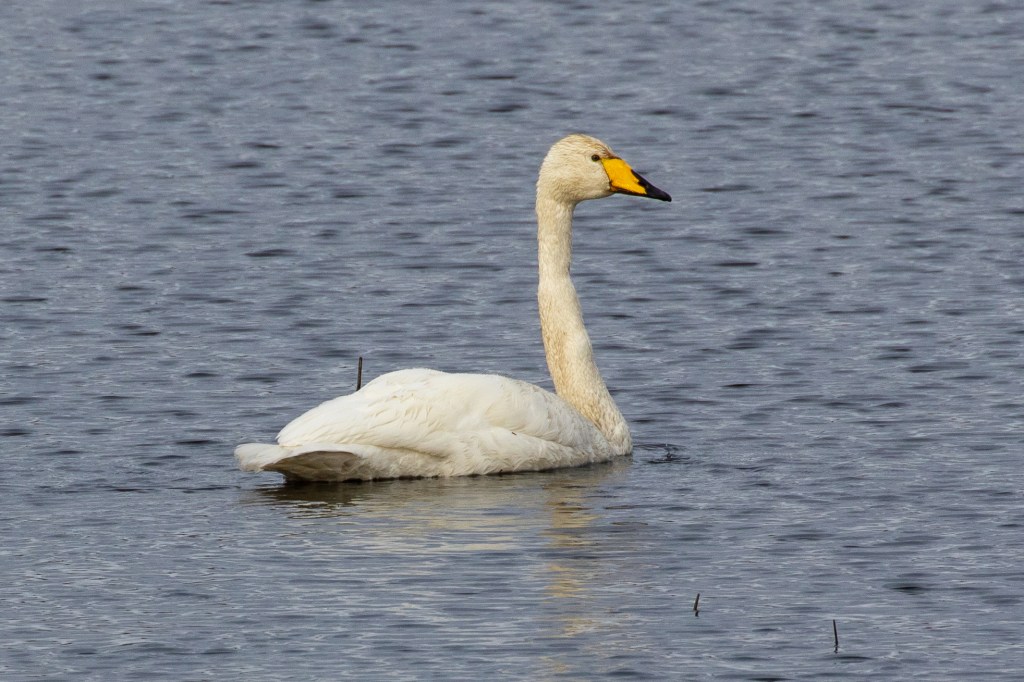
Some of the rare birds in the Scottish Islands are now common. Likewise, some common birds are now rare. I met one birdwatcher on Skye who had once traveled 50 miles to twitch a Magpie! The first swan I see is a Whooper striking with its yellow bill and straight neck “alert” posture. A much more refined bird than the Mute Swan in my opinion.
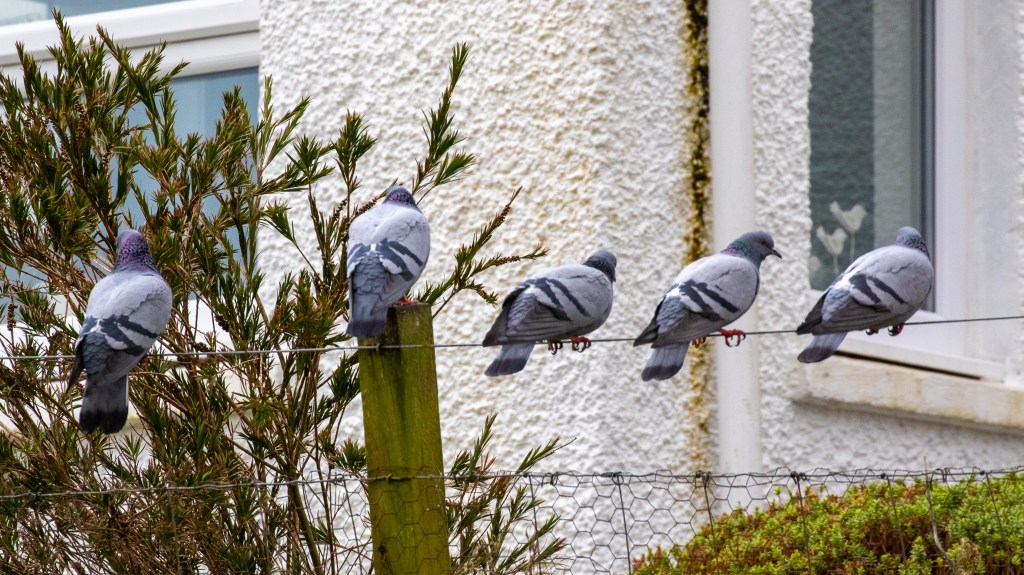
Similarly the pigeons here are true Rock Doves rather than our bred (inbred?) Feral Pigeons. Look how consistent these birds are to each other. Compare this to what you see in town, where they are waiting to steal your sandwich.
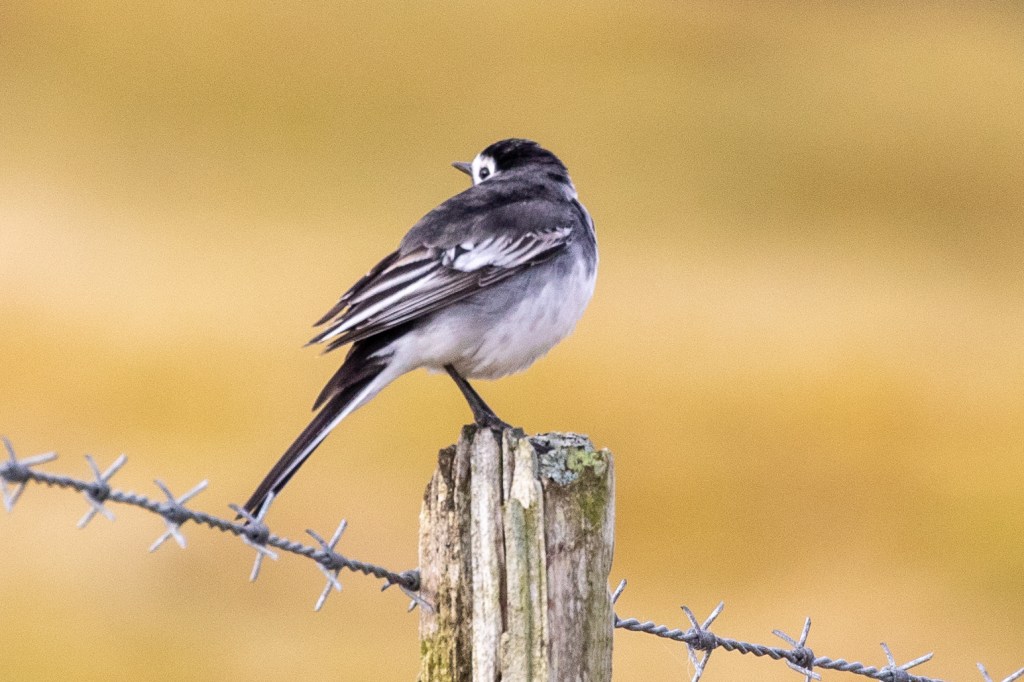
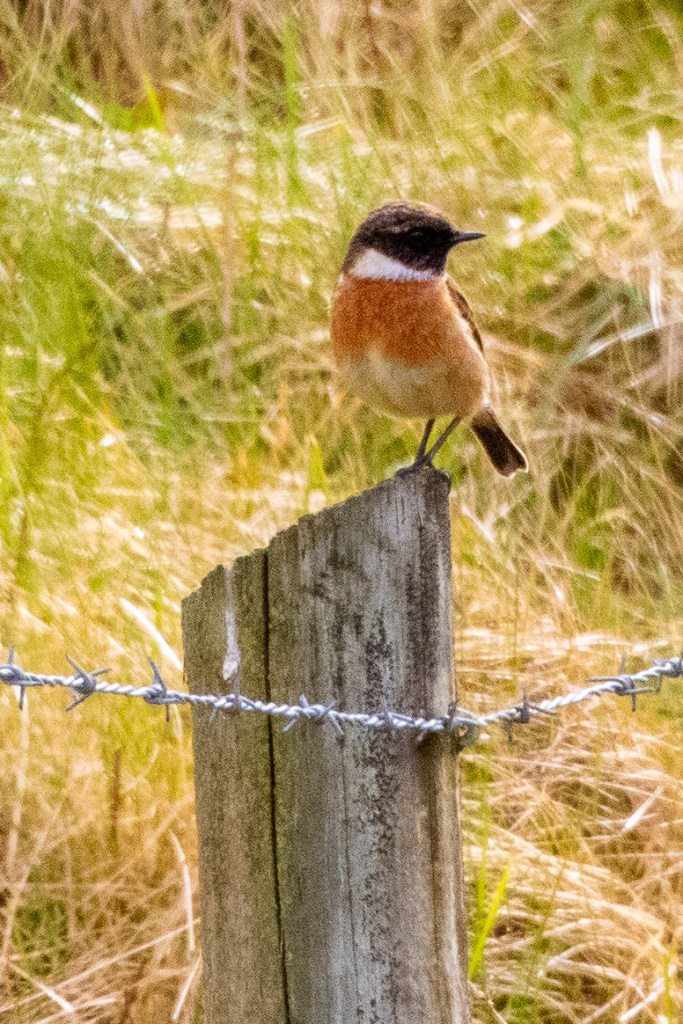
Birds are starting to carve our territories and fence posts make a bold-statement for any parading male. This Pied Wagtail and Stonechat are good examples.
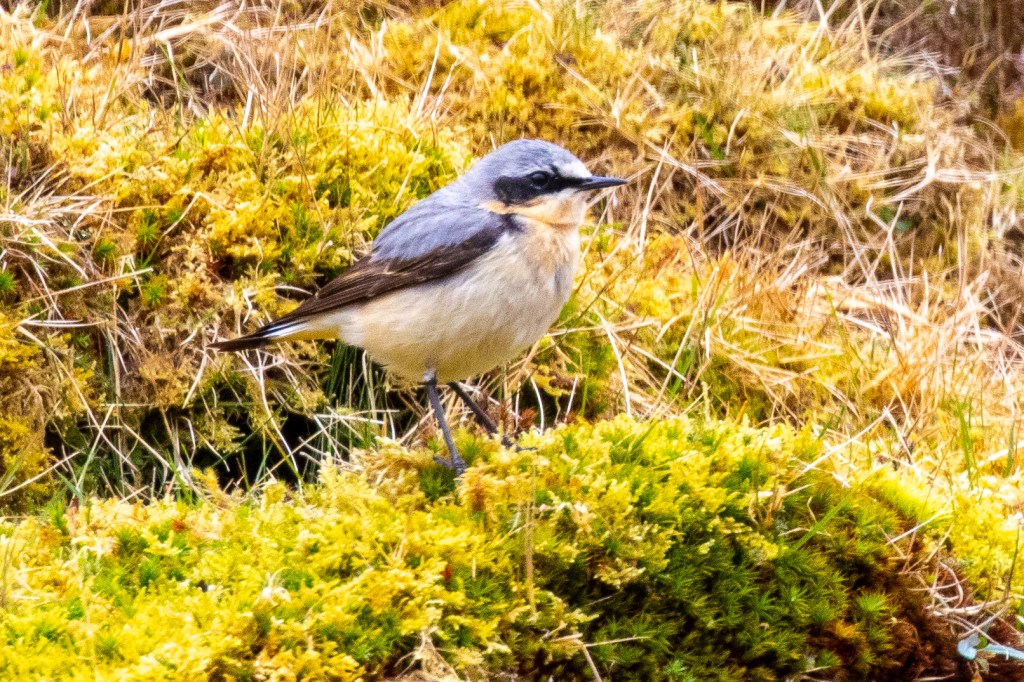
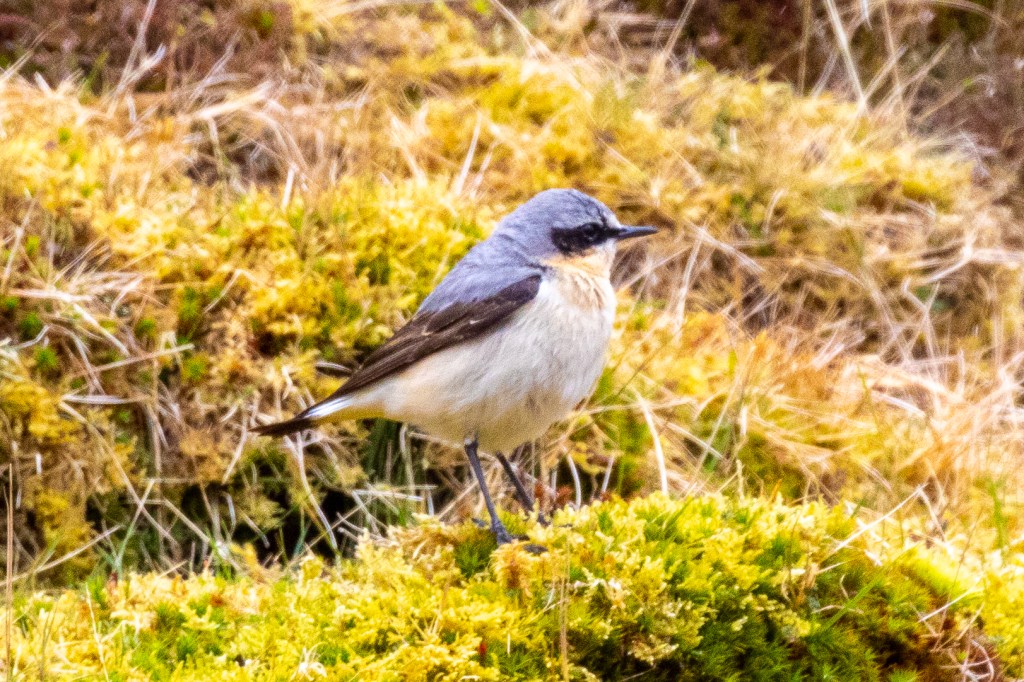
Yet what strikes me soon after arriving is that the Wheatear have arrived. I haven’t seen any on the mainland yet this year but I count 15 Wheatear in two days here. These are all males which arrive first and set up their territories in advance. The females take a more leisurely journey. When they arrive, they get to pick their mate. The males compete to win her affections. Wheatear is old English for “White Arse.” The bird can be recognized in flight by a white sugar-cube on its rump. But it is the black eye mask on the male, like a bandit, that always stands out for me.
We take a coastal drive and I am delighted by close-up views of a Greenshank. I hear it first but am grateful that it lands nearby and I can photograph it from the car.
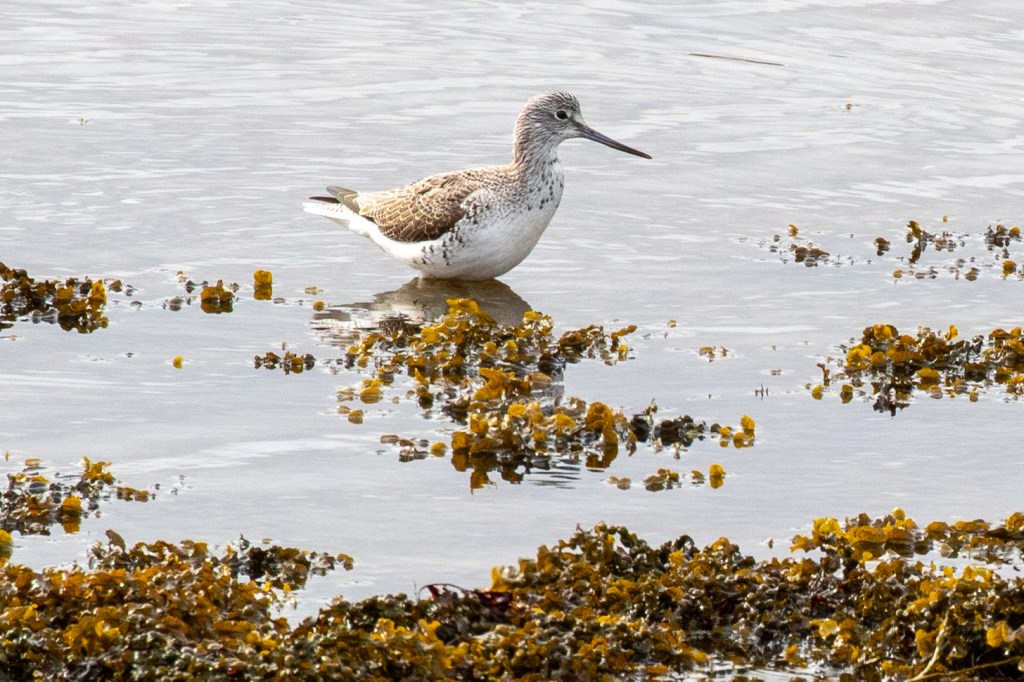
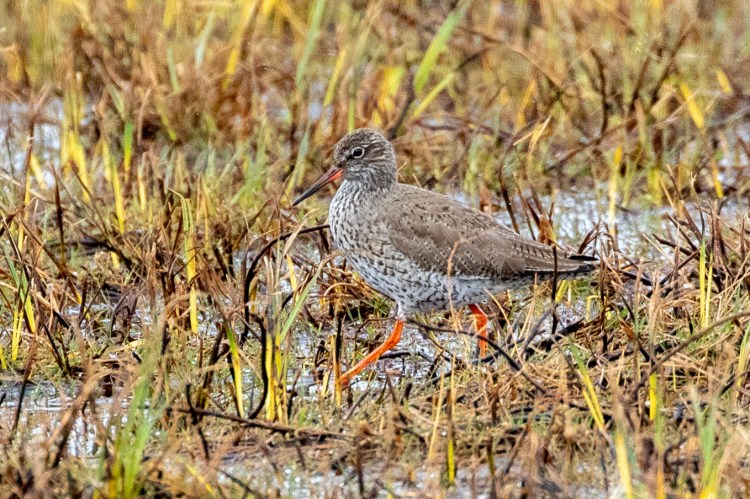
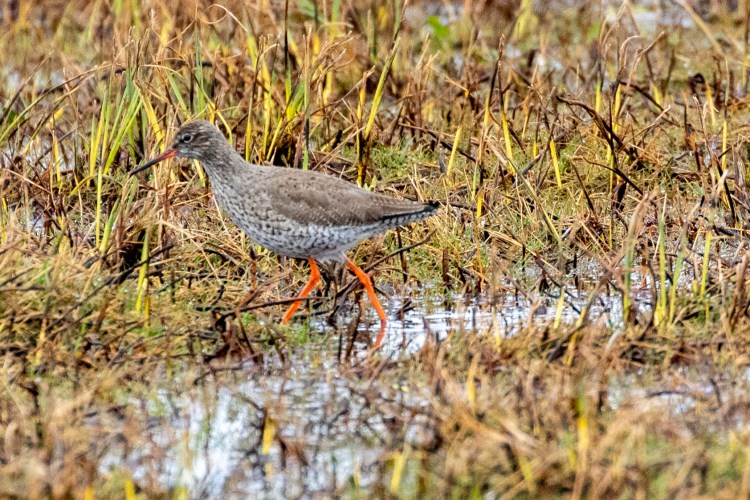
The Greenshank appears much more refined to me. It seems more delicate than the more common and bold Redshank. I keep seeing the Redshank around the coast and sometimes inland on marshes.
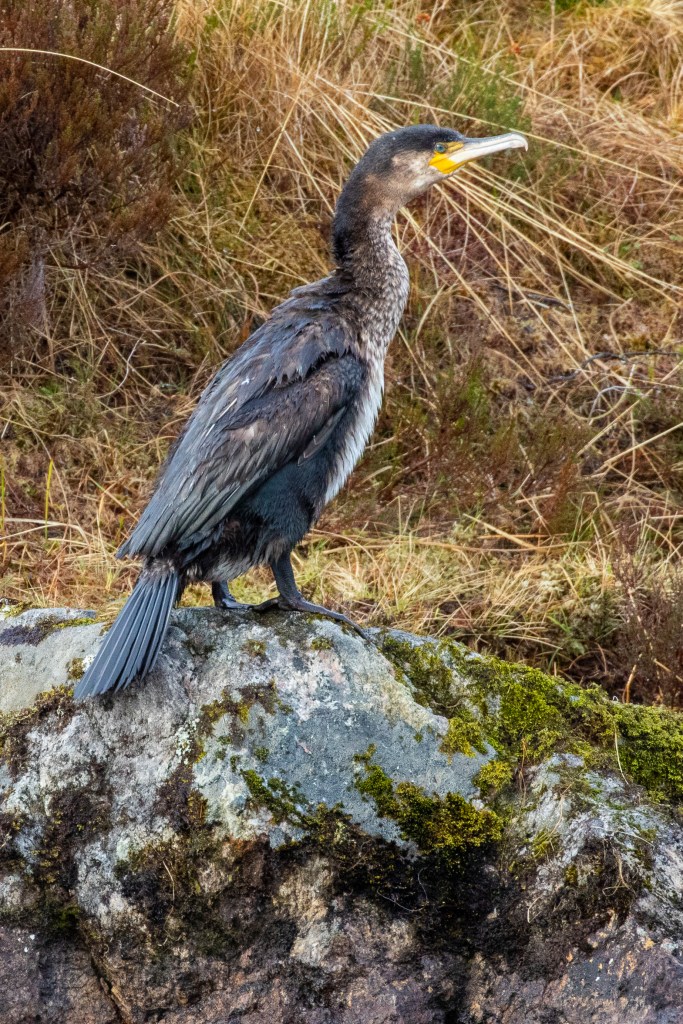
A Cormorant on a rock allows reasonable views, this is a sub-adult still with quite a lot of white showing. The full adults are darker with only a small white patch around the gape of the bill.
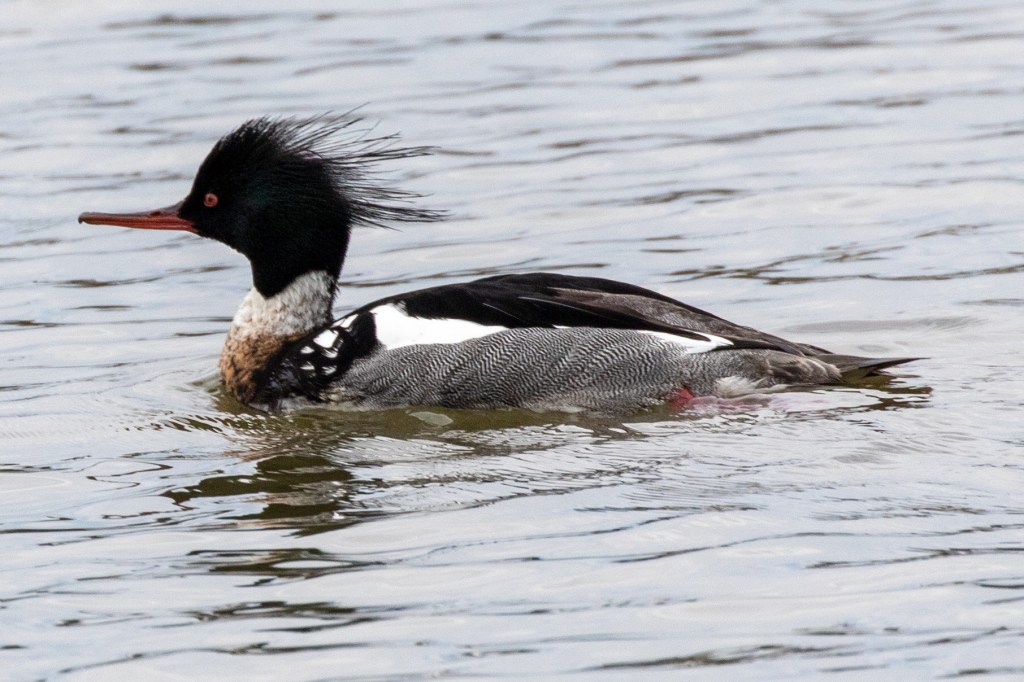
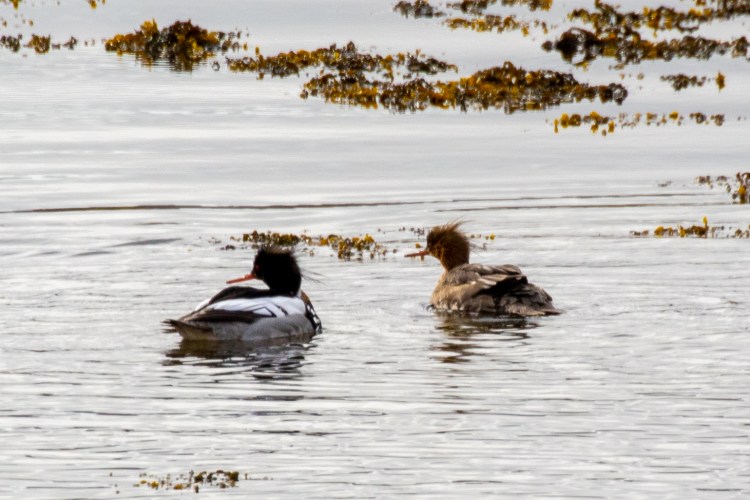
There are lots of Red-Breasted Mergansers around the coast. These are the punk rockers of the duck world. They have a far out hairdo and bright red eyes (from the night before?). These are sawbills with thin serrated bills which are ideal for catching small fish which they chase under water. This bird is very common on the west coast of Scotland but nonetheless special for that.
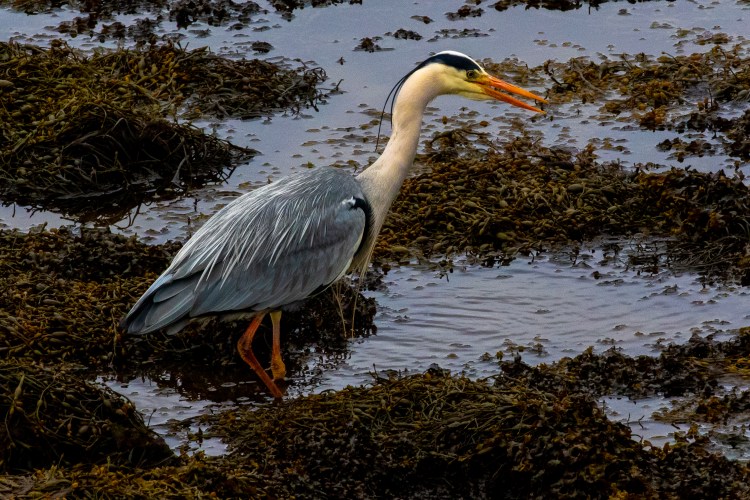
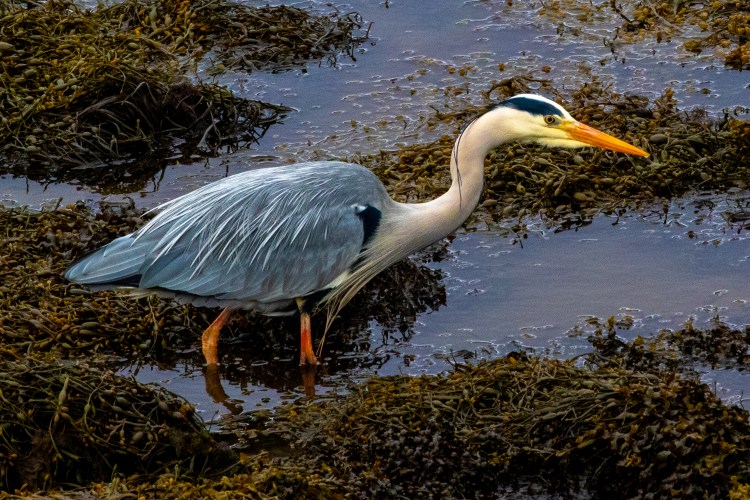
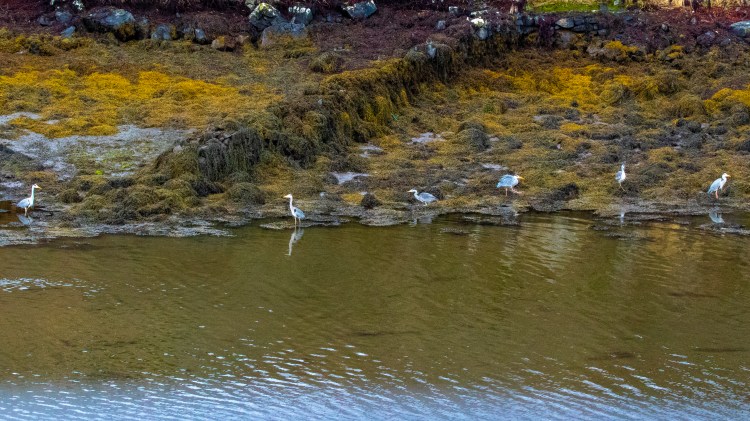
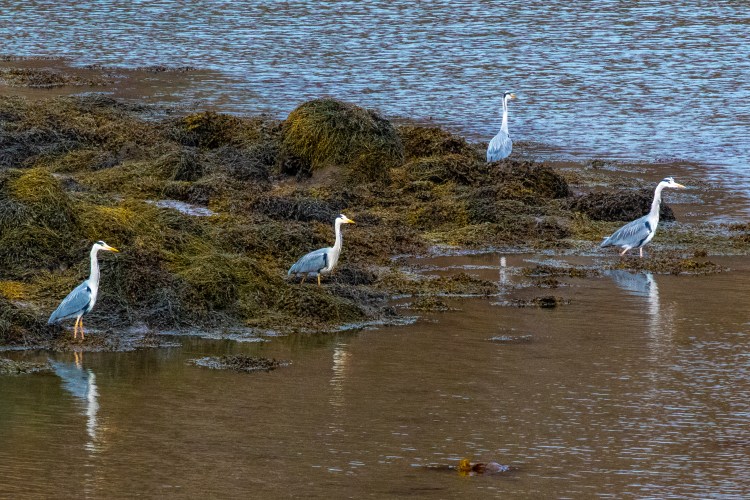
At one particular inlet, I am astonished to count 27 Grey Herons at one time. There is practically one every 10 feet. I have never seen such a dense collection of herons before. I guess that a heronry is nearby. The fishing here at this time of the tide must be excellent.
Throughout the week, the weather is quite mixed. There are a couple of lovely sunny days, but there are also many grey and wet ones too. I am keen to see Birds of Prey. We did not have as many sightings as on Mull. Yet, we did get to see most target birds.
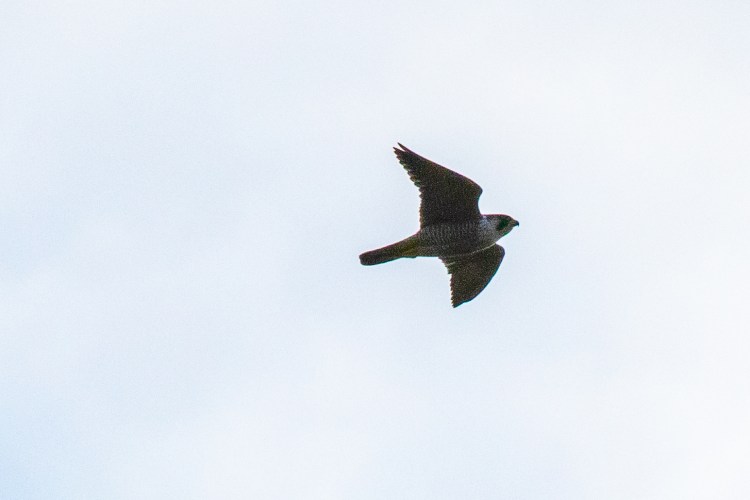
Throughout the week, I had three remarkable sightings of Merlin. They were all too brief for a photo, but they were nonetheless special. We also had a brief glimpse of a female Hen Harrier. We see quite a few Peregrine including this beauty which gave sustained views from a bike ride on South Harris.
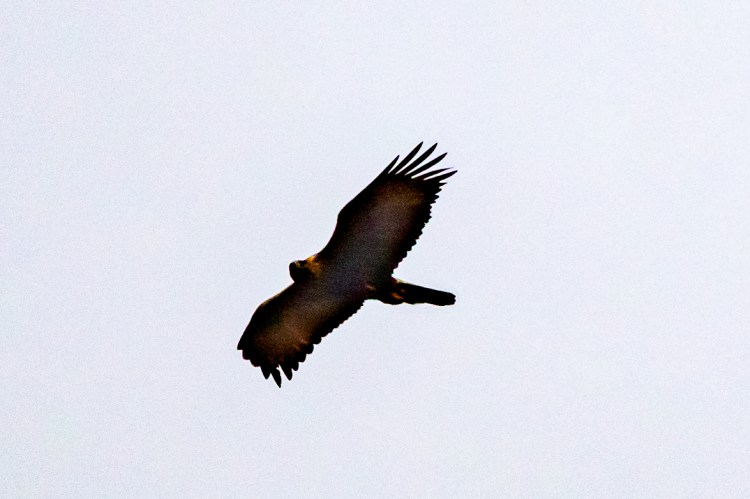
On a drive around south Harris we were delighted to catch views of this Golden Eagle. This was the only one we saw during the week. The weather conditions were far from ideal for raptors flying. I am sure on a finer week more could have been seen.
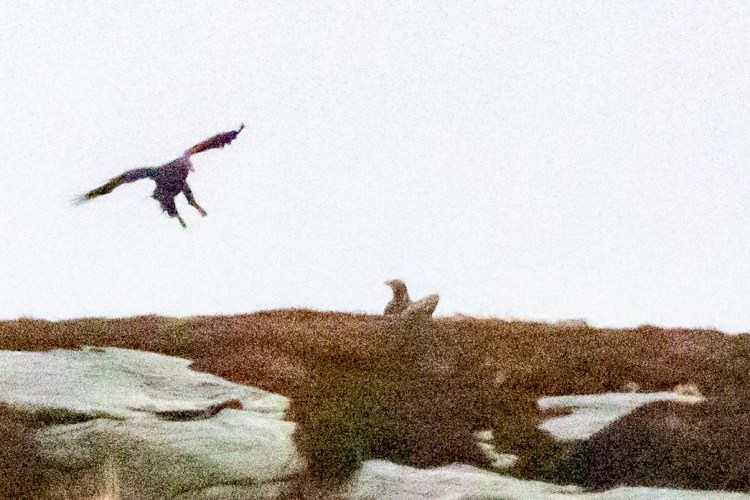
We hadn’t seen any White-Tailed Eagles towards the end of our stay. Yet, on a drive out to Great Bernera, we were pleased to get distant views of a flying White-Tail. At one point, it came down on an island, and we made out a second bird on the ridge. It was terrible light, raining and quite distant, so not great for photos, definitely a record shot.
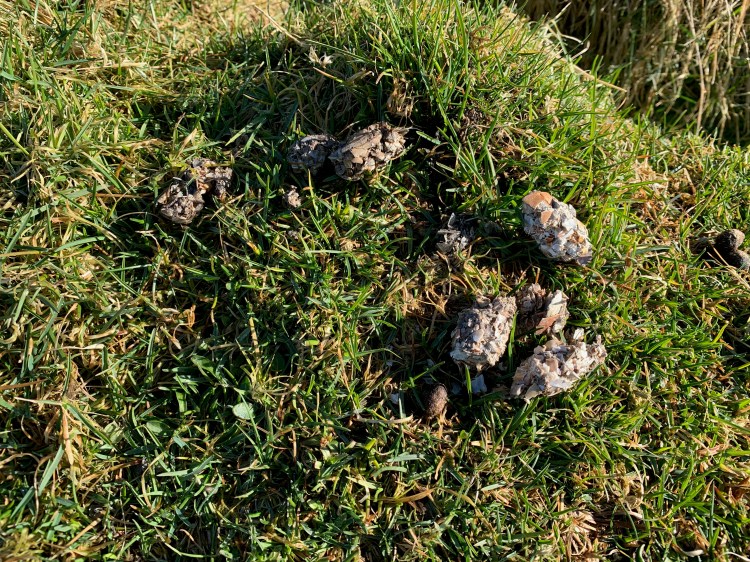
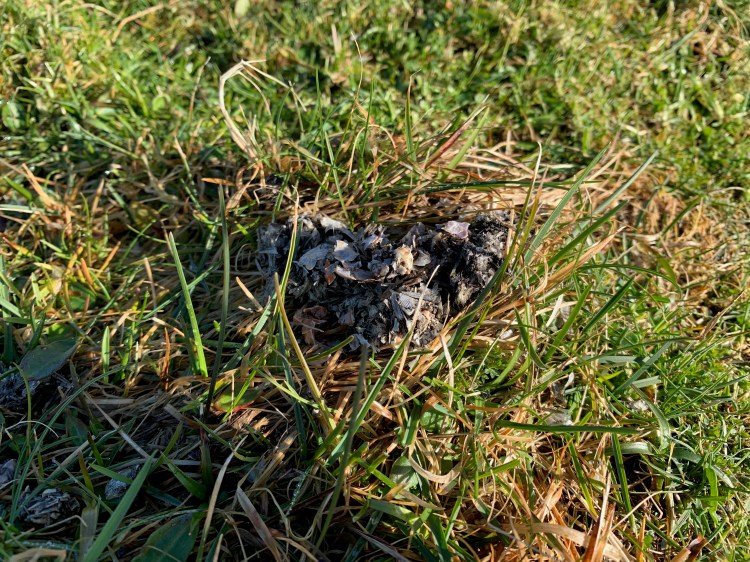
There are obviously Mammals to see on Harris and Lewis too. Whilst we looked for Otters we didn’t see any. But we did come across a couple of Otter spraints marking territories.
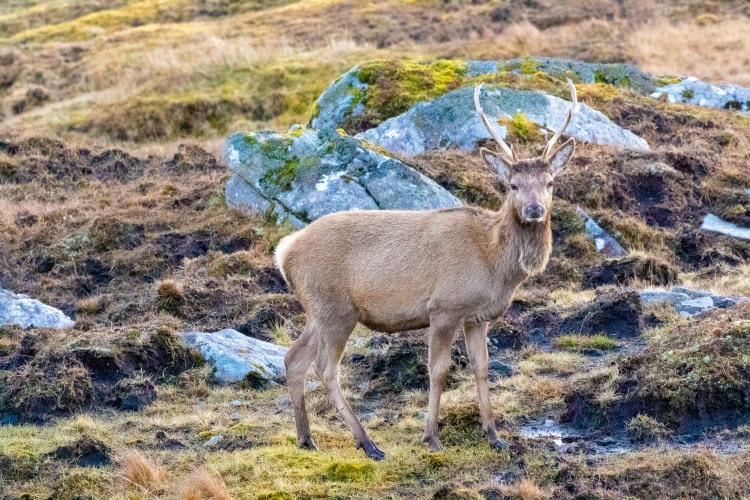
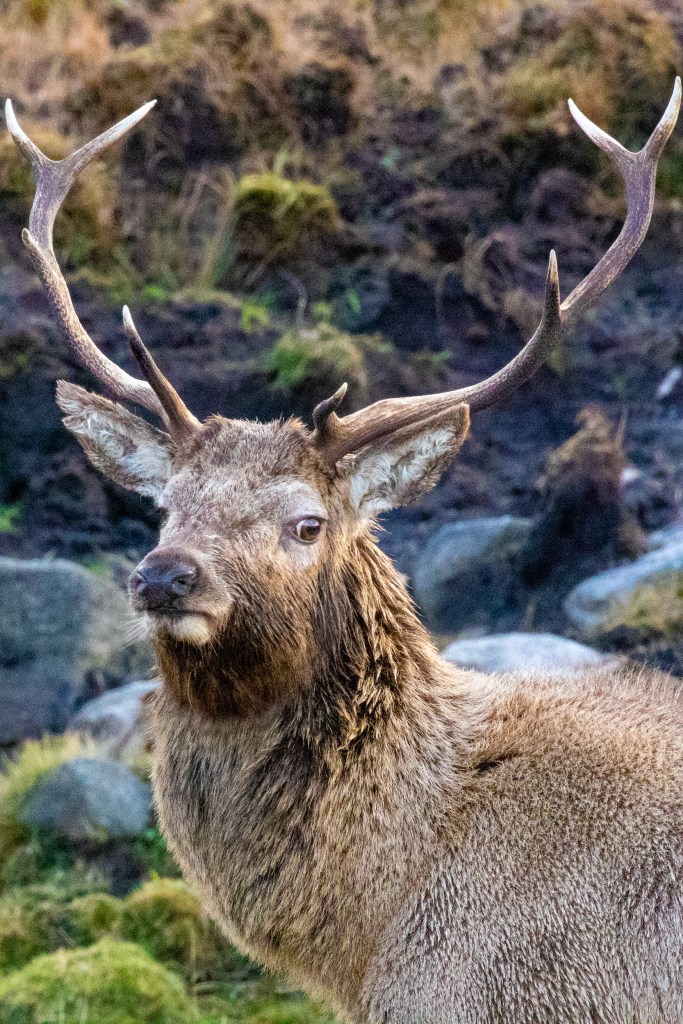
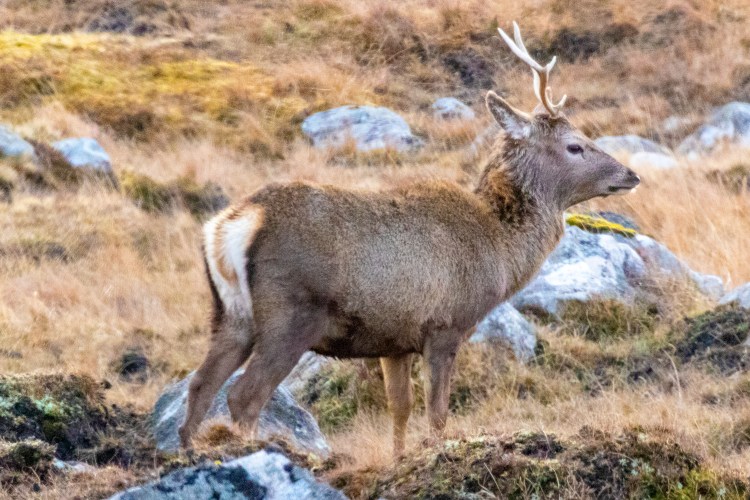
Red Deer were abundant around the Island. On a few occasions, we pulled the car over and took some pictures.
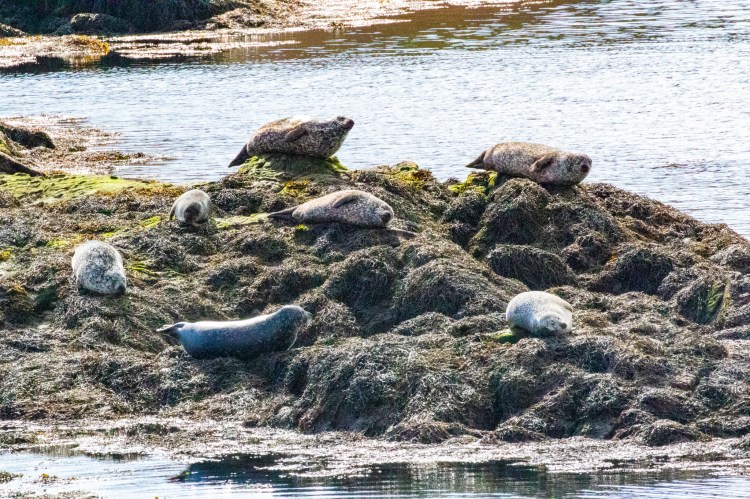
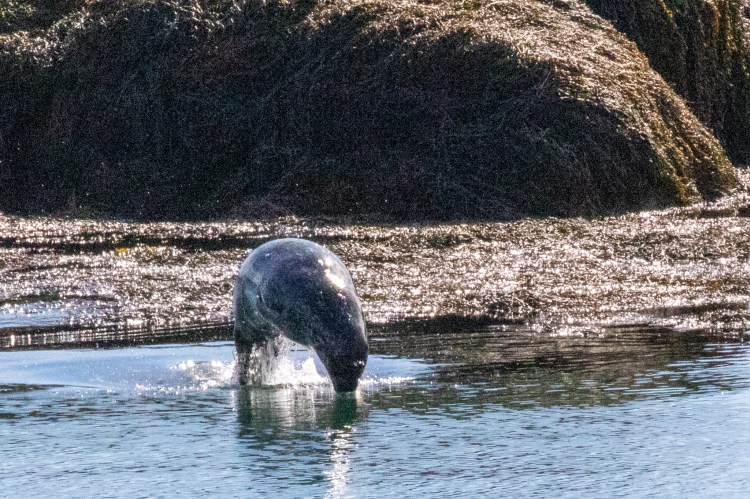
And we saw several seals around the Island too, both Grey out to sea and Common in more sheltered inlets. On a cycle around South Harris, we were pleased to see several Common Seals out on the rocks. They were also playing in the water.
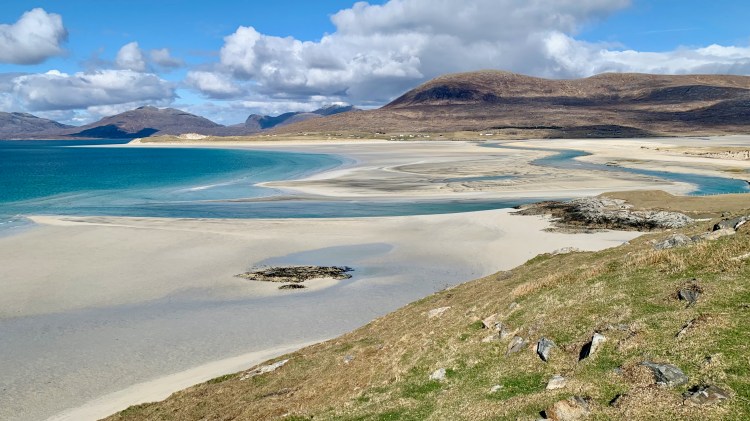
I should add that the beaches on South Harris really aren’t bad at all either!
The top of Lewis had a wild feel to it. It featured long flat moorland terrain mixed in with marshes and a few small lochs. At the northern point is the Butt of Lewis which is the last stopping point for birds migrating to Iceland.
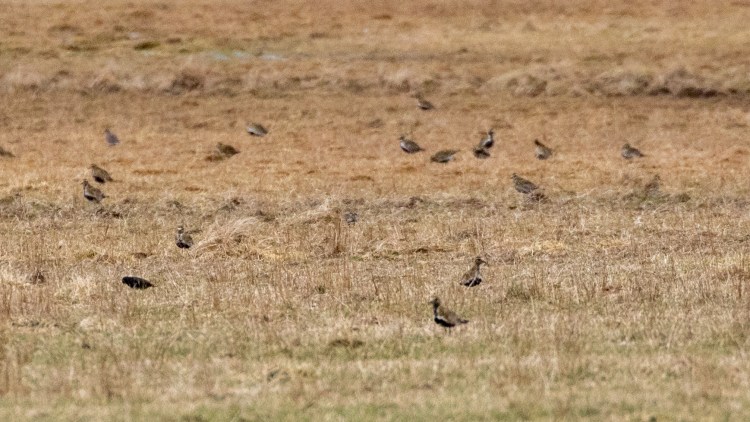
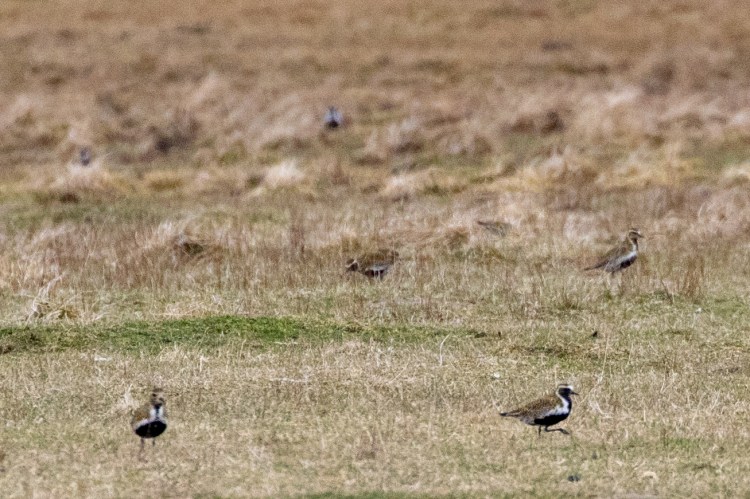
We saw lots of Golden Plover on the machair. Some were clearly the Northern Subspecies (altifrons). They had their full summer breeding plumage with a smart black-dipped-in-oil look continuing up onto their face. The first time I saw birds like this, I was actually in Iceland in July. They were on their breeding territories. It is nice to be taken back there. I wish these birds well for their upcoming migration.
Over the day several skeins of pink-footed geese arrive from further south whilst others head out to sea. It is quite emotional watching them leave – will all of them make it?
The very northern tip hosts an impressive lighthouse surrounded by descent cliffs.
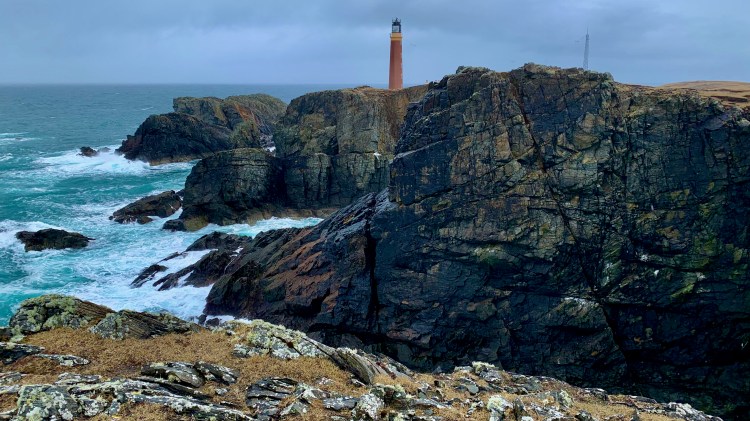
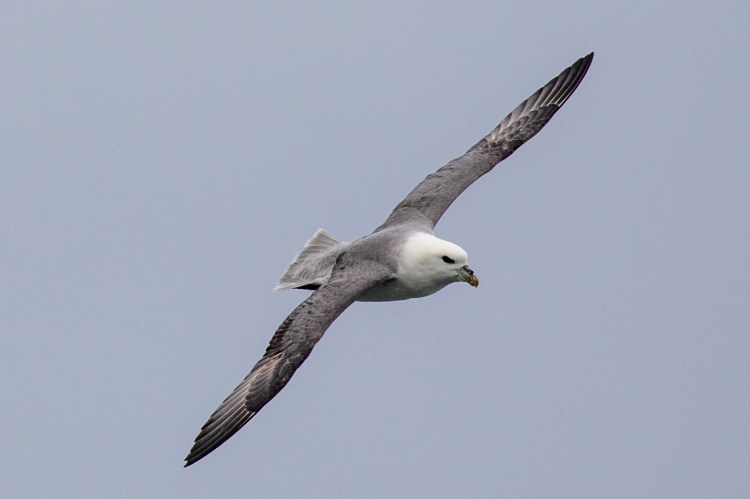
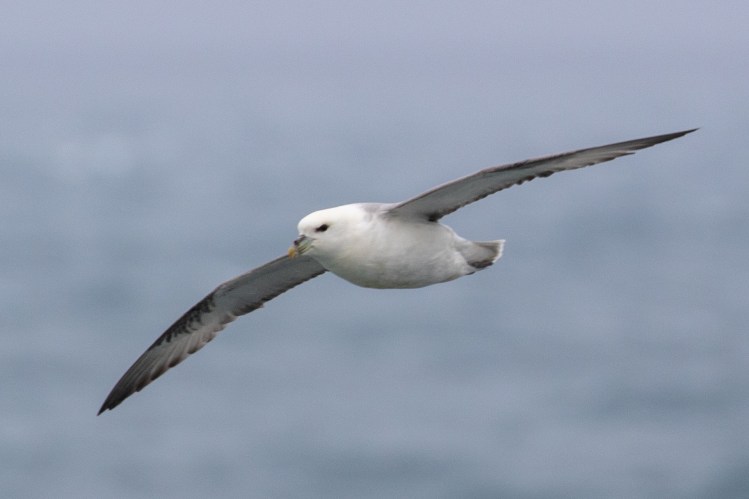
Looking across the cliffs there are so many Fulmars which are great to see. As well as a few Black Guillemot and Kittiwakes.
People confuse Fulmars with gulls but they are actually members of the tubenose (petrel) family and they pair for life.
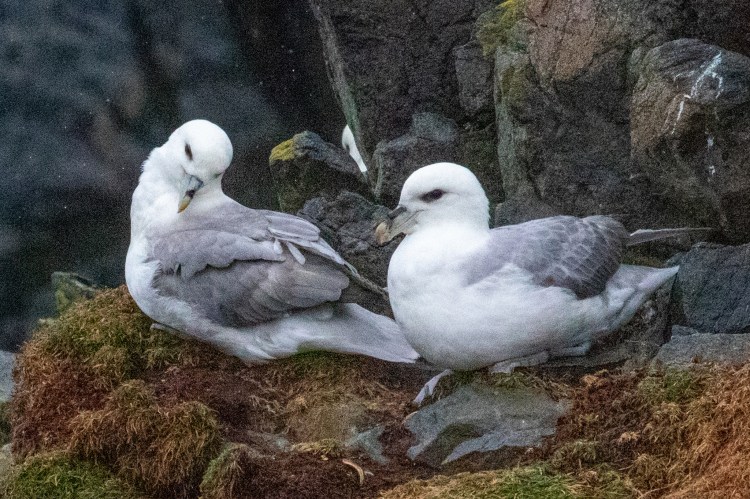
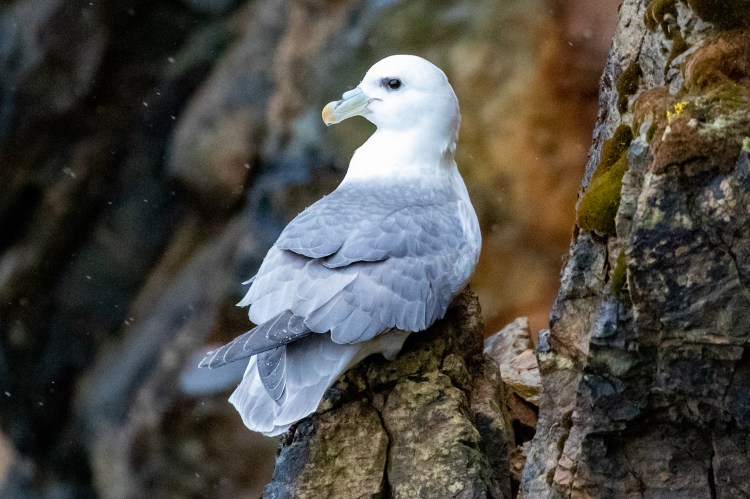
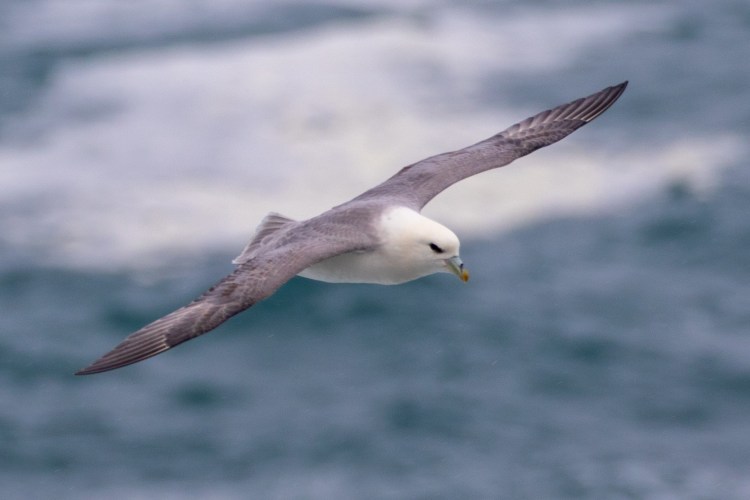
Fulmars really come into their own when they take to the air. Fulmars are fantastic flyers, masters of exploiting the air currents over the waves and around the cliffs. They mostly fly with stiff locked wings and it is this that most easily tells them from gulls. I spend a happy half hour photographing them in flight – a lovely experience.
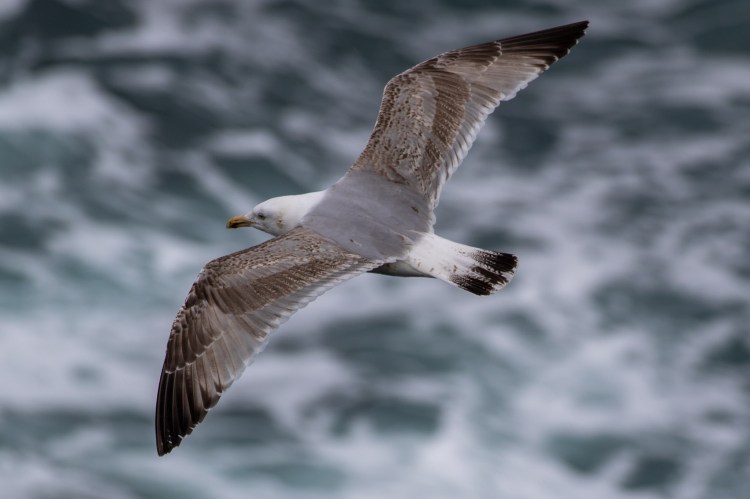
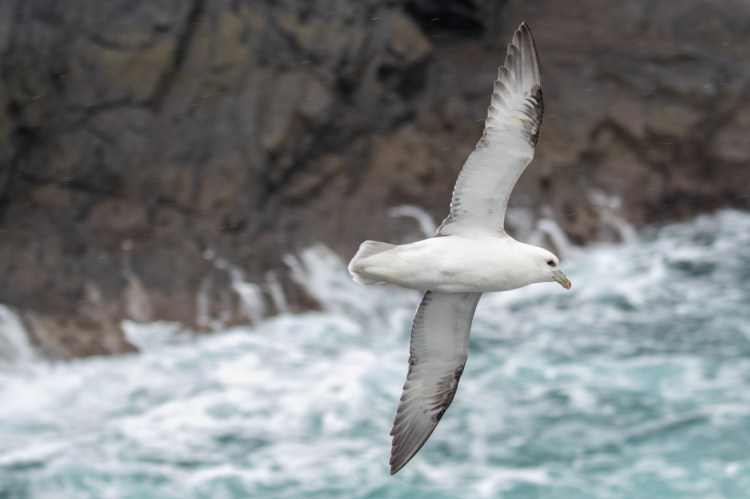
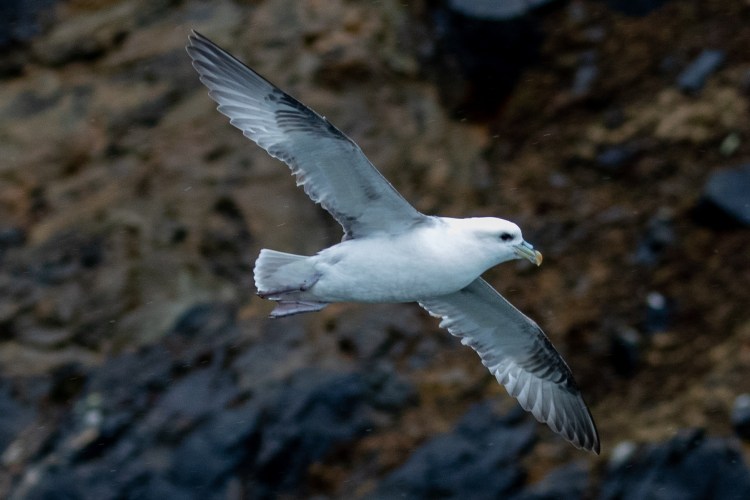
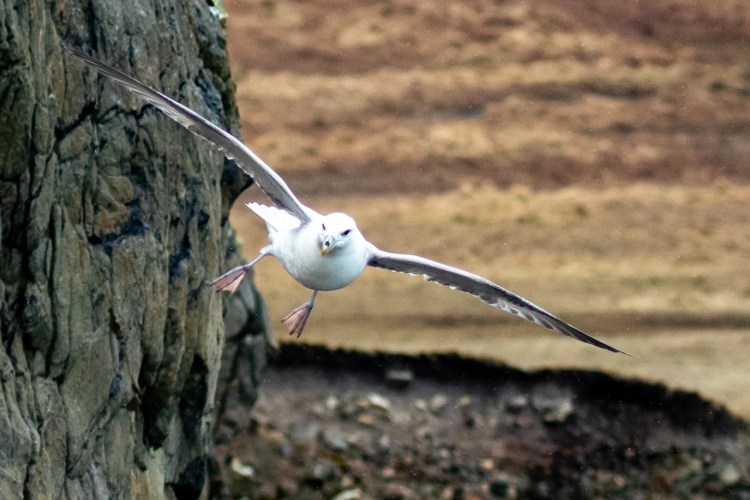
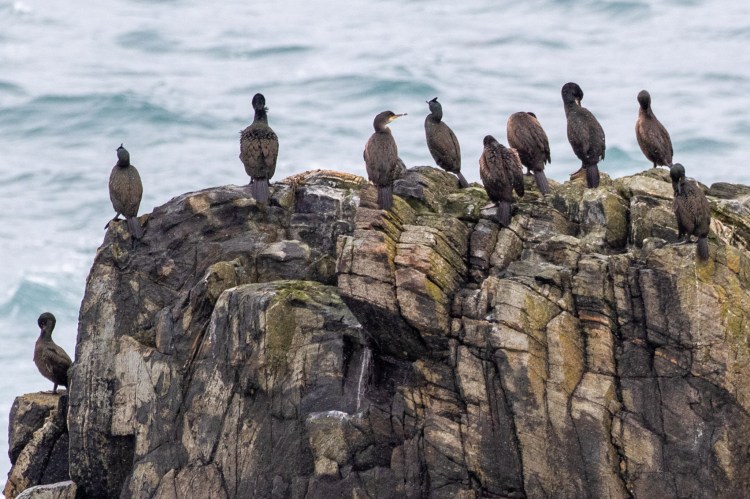
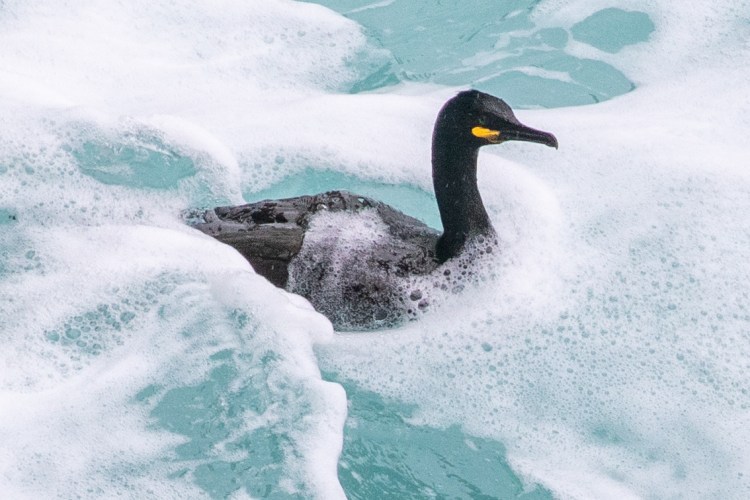
A nearby rock is covered in Shags and a few Cormorants. When you look around the surf, you can also see birds swimming between the rocks. They seem to be on some obvious suicidal mission.
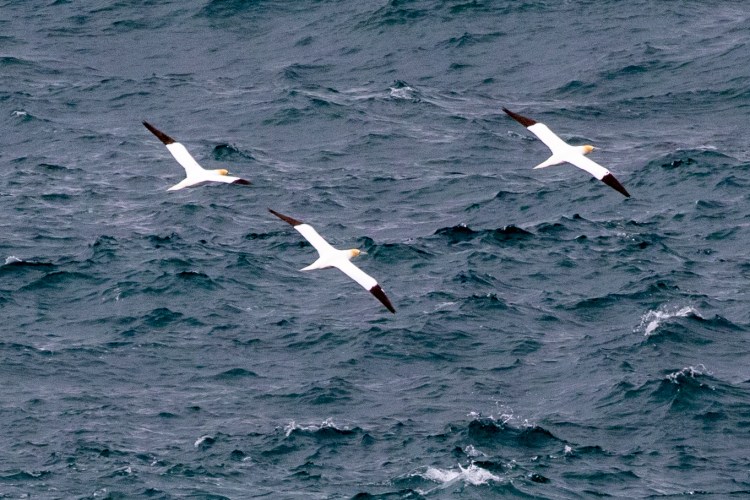
Out to sea Gannets are flying past. Grouped together in tight squadrons showing near military precision these are impressive birds, our largest seabird.
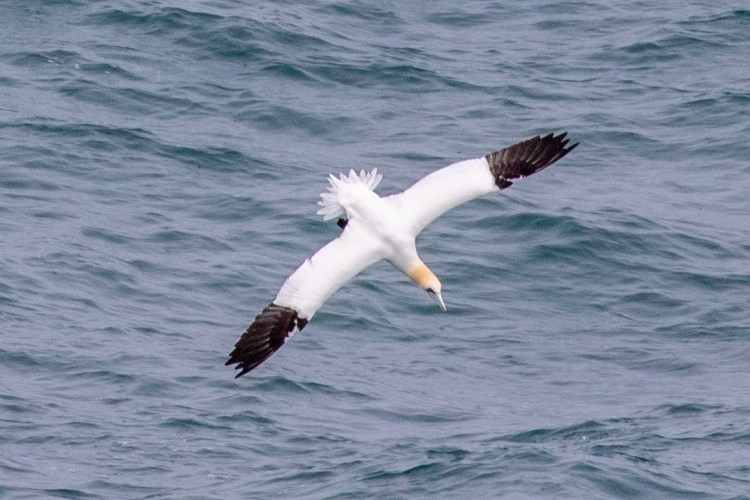
Some are plunge diving. I was really pleased with the next picture showing a gannet with a beautifully fanned out tail. I have never noticed this before.
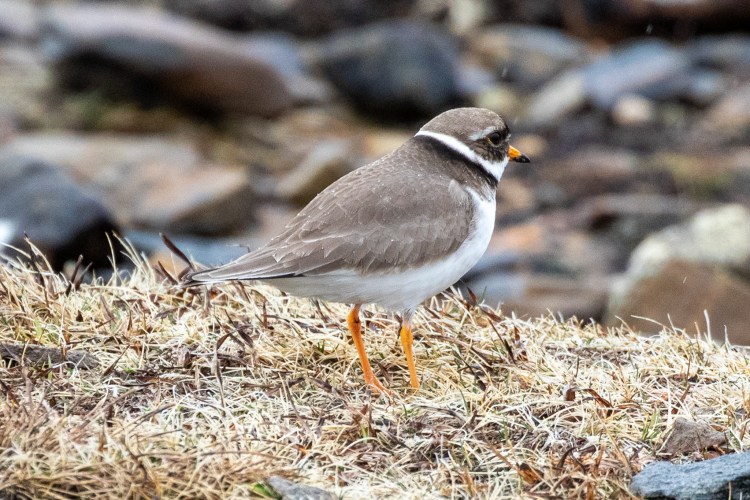
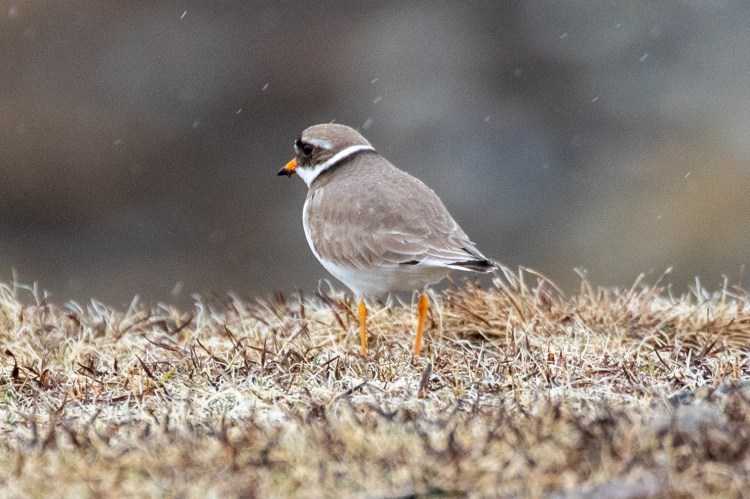
Walking around the tops of the cliffs there are several Ringed Plover feeding. These birds always seem busy to me. It is raining now, so I stoop down low. I want to get a clear background and thus a cleaner photo.
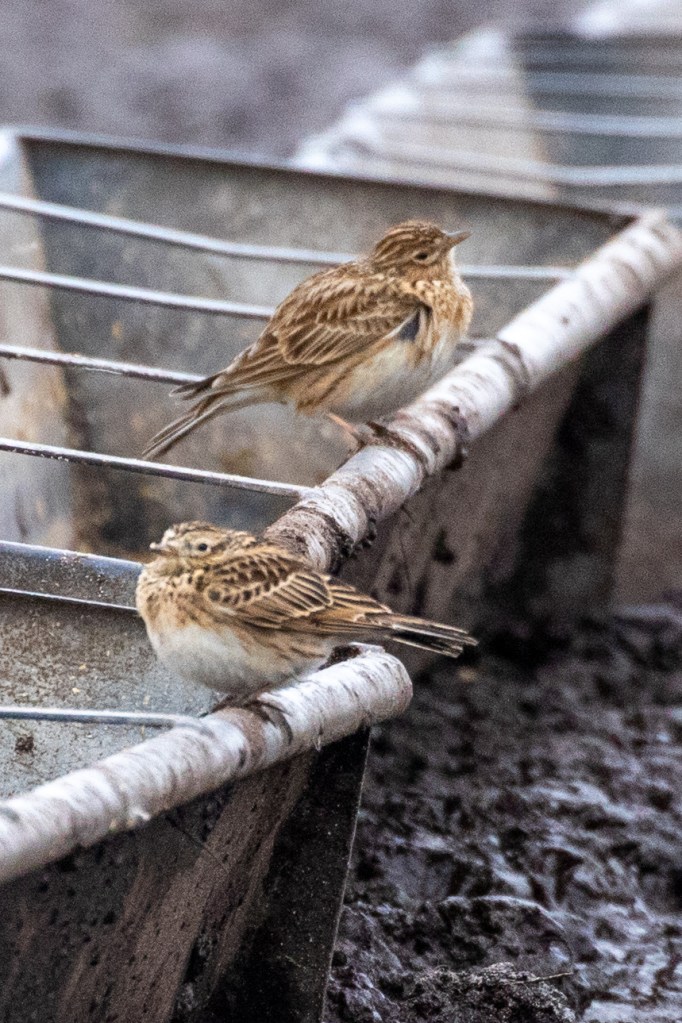
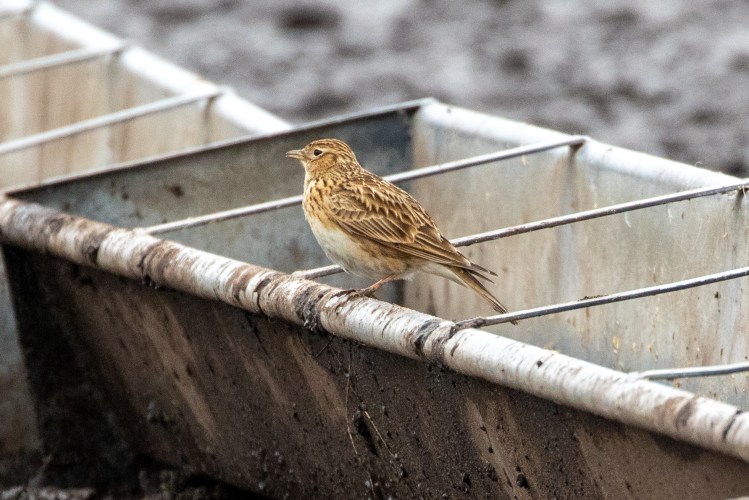
Often around Lewis, Skylarks have provided a wonderful backing soundtrack. When these birds sing, they are fully committed. They sometimes continue for 20 minutes or more. This is normally in flight too. It is as if they are saying “Pick me, I can fly and sing at the same time!”
Here, sheltered from the wind there are a few resting on a cattle feeder.
Our time in the Outer Hebrides is coming to an end but we are in for one more treat. We head back to Stornoway Harbour. Before catching our ferry, we are pleased to see a first-winter Iceland Gull. It is among the ubiquitous Herring Gulls. Whilst the murky light doesn’t do the bird justice when you see this bird up close it is ghostly white – one of only two birds found in Britain with all white wingtips (the other being the larger Glaucous Gull)
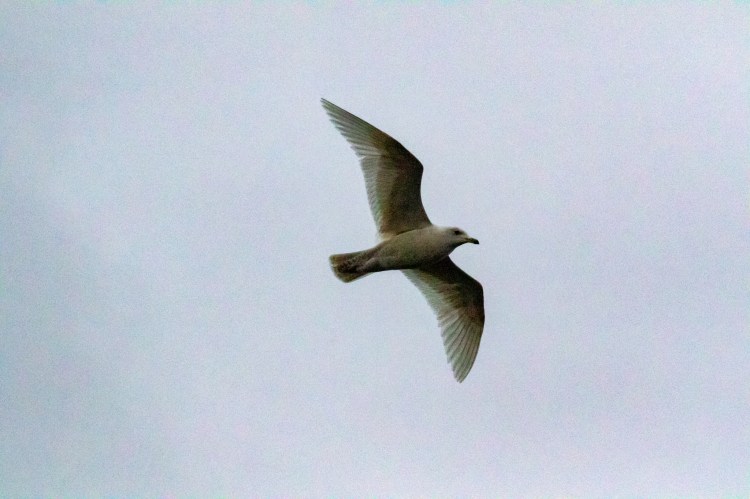
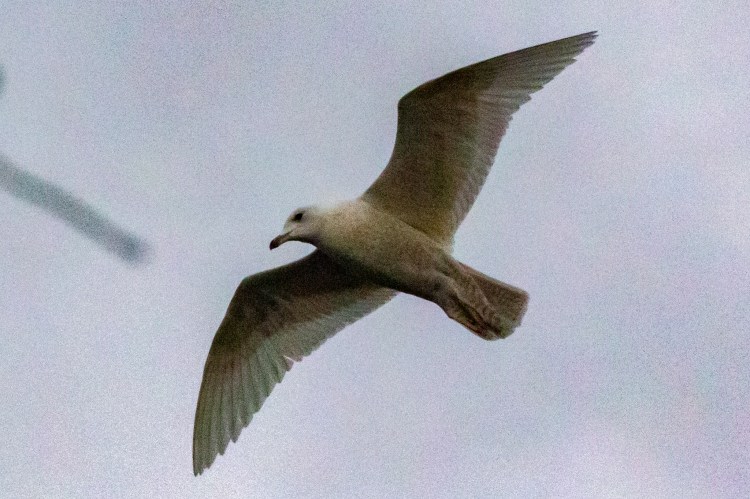
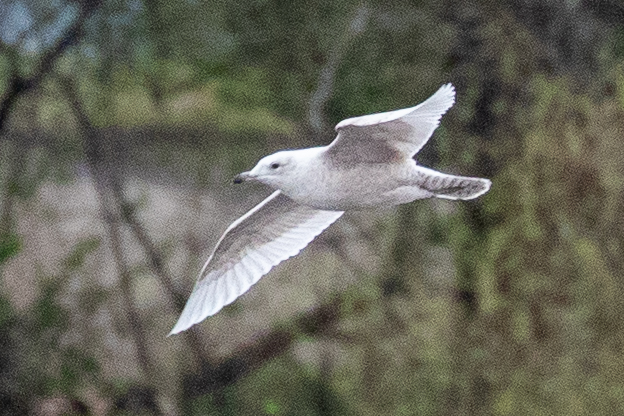
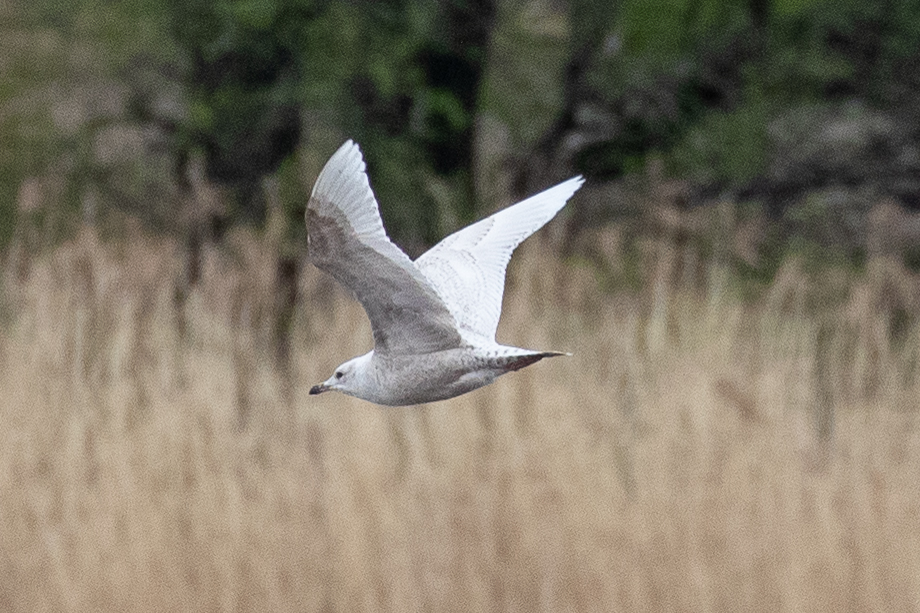
I last saw an Iceland Gull on Islay in 2018. They say good things come in twos. A week later another Iceland Gull turns up a short bike ride from my home. I am sharing a couple of pictures of this bird here. You can see how white it looks in the images. Pay particular attention to the wing tips.
On the ferry home I was happy to add a Great Skua. I also see a couple of Common Dolphins. A great week on the Outer Hebrides, I can’t wait to go back.
I offer private guiding services in Scotland focusing on Scottish Wildlife. Please get in touch if you want to know more.
Discover more from WildScot Photography
Subscribe to get the latest posts sent to your email.
thank you so much for this, it is so interesting! we are off to Harris next month photographing for a week – it looks so beautiful and I’m excited to see the wonderful wildlife,
Such an intriguing look into spring birding on Lewis and Harris. Thank you!
Thanks so much, glad you enjoyed it
You describe it as near to paradise: great photos too.
Lovely account of a good variety of birds. I like the red breasted mergansers and of course golden eagle. Thanks for revising them for others to learn and appreciate.