So if you have been following this blog for a while I guess the title of this post might come as a bit of a surprise. Yes I have decided to expand the blog beyond Scotland.
My wife and I are planning to go travelling in Central and South America next year and I know wildlife watching and photography will be a big part of that trip and I am excited about sharing it. And I am too cheap to invest in a second domain name.
And so I have decided to start by sharing some of the highlights from my travels the last few years and that means Africa, Botswana and for this post Chobe National Park where we spent an amazing 3 days last July. I was super excited about this trip for several reasons, it was my first time on a proper safari (ignoring a couple of days out on work trips to Nigeria and Burkina Faso), I had a brand new camera (Canon R5) and was excited to try it out and my wife and I were celebrating our 25th wedding anniversary!
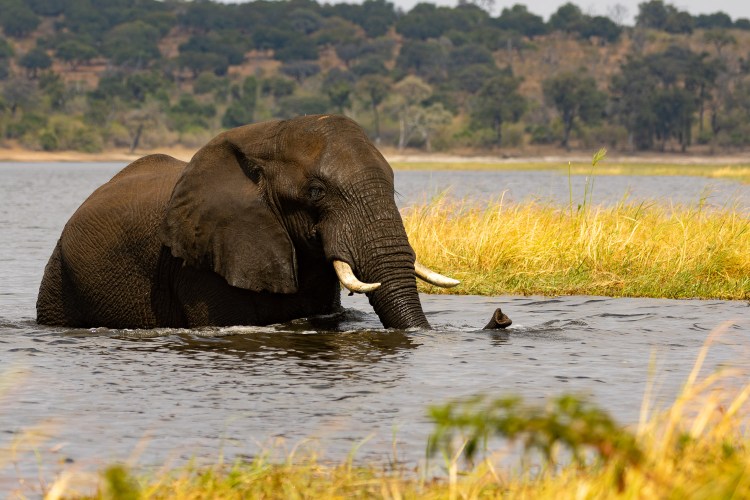
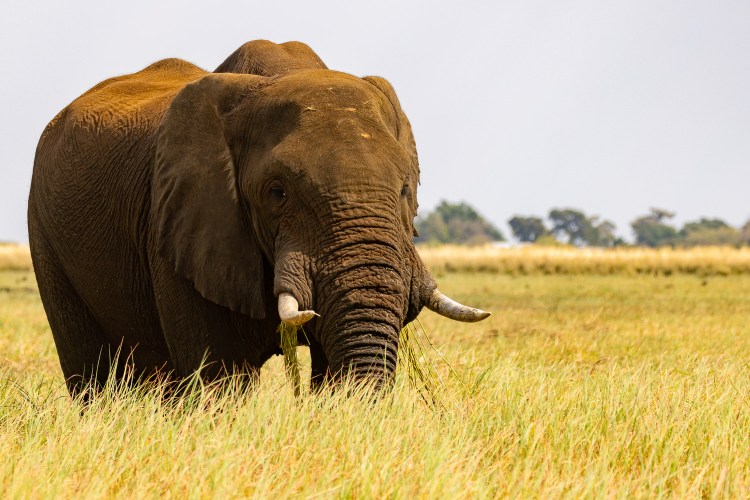
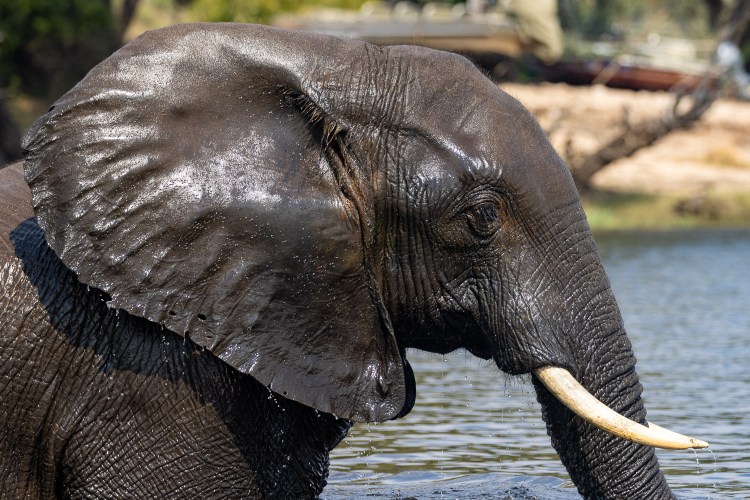
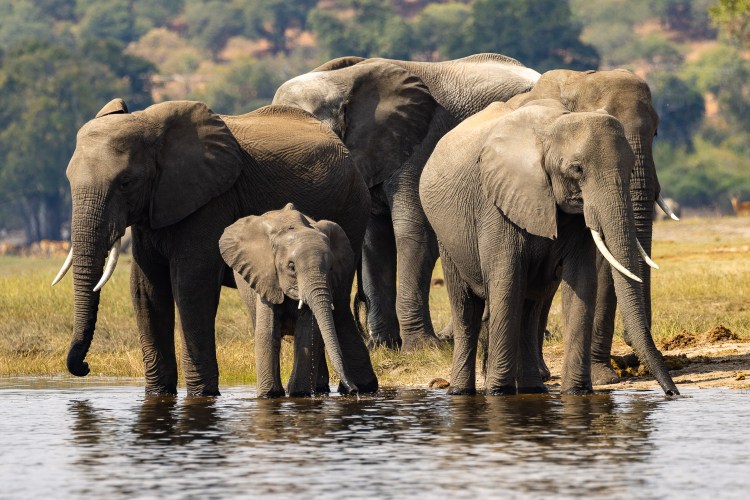
Chobe is famous for having one of the most concentrated populations of Elephants on earth and not surprisingly it didn’t take long to find this magnificent creature.
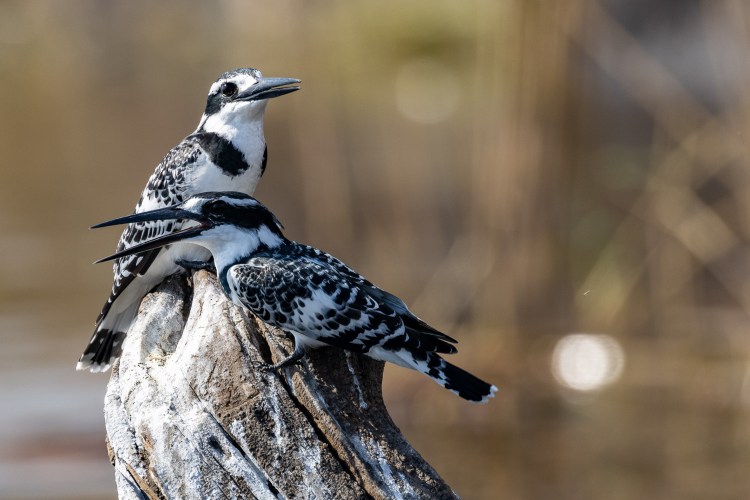
I thoroughly recommend the river cruises as a way to see lots of bird life. Two birds we saw a lot of were the African Darter and the Pied Kingfisher. They were common features along the river bank.
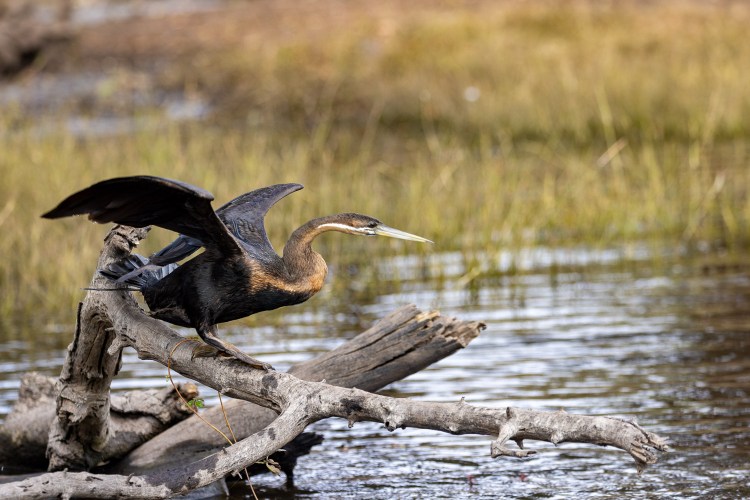
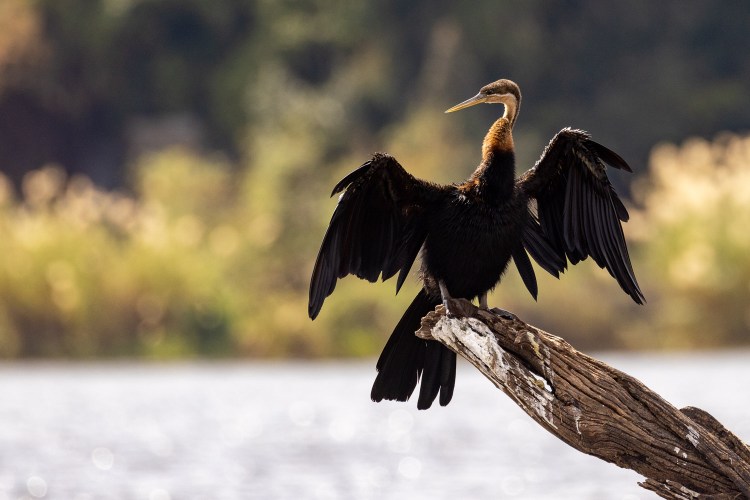
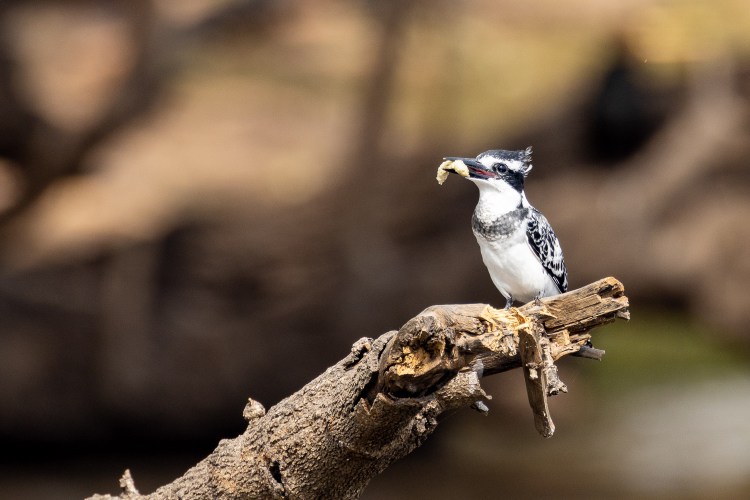
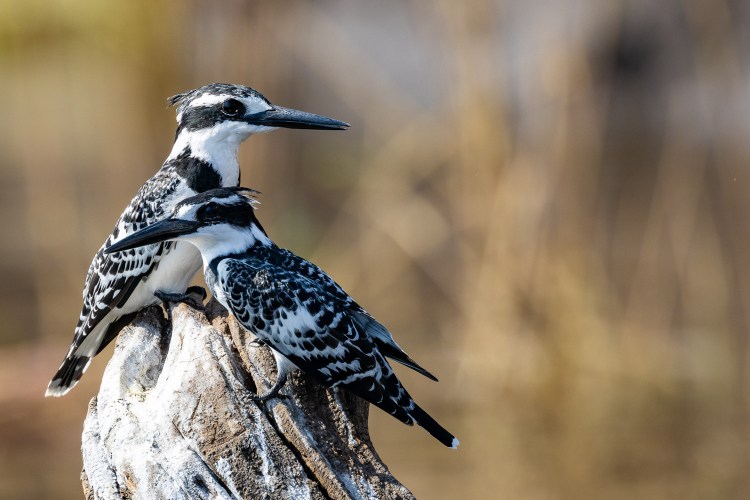
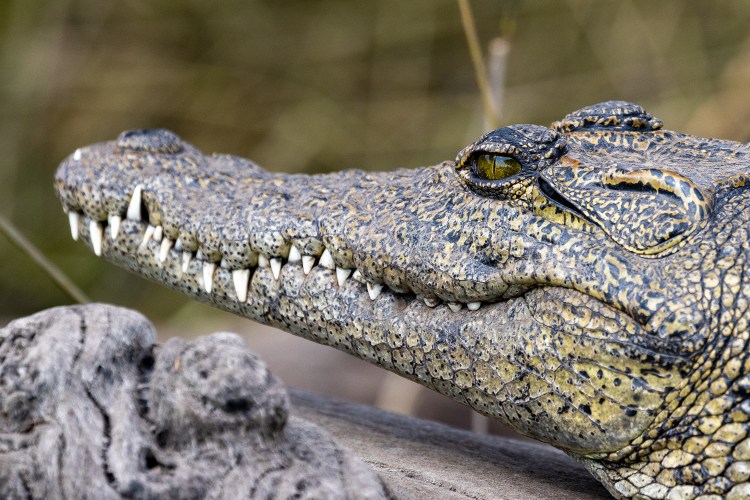
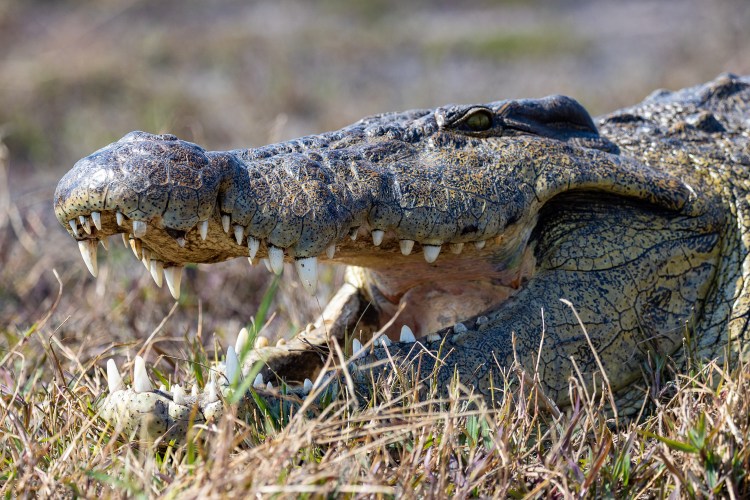
Continuing along the river we got good views of our first crocodile, I managed to get a nice closeup.
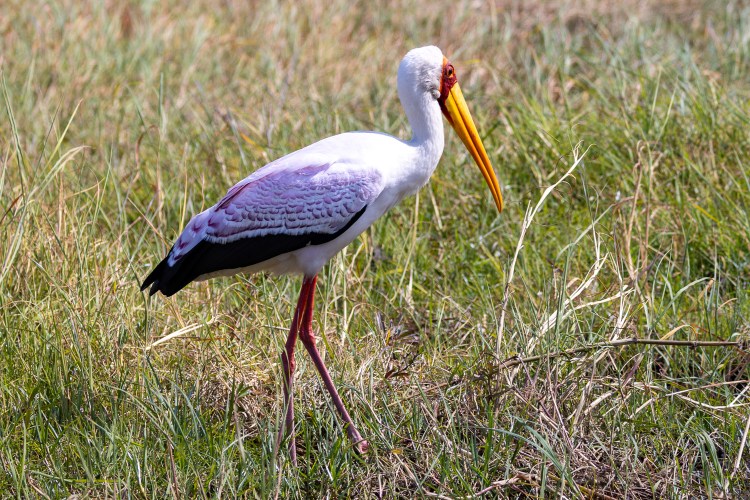
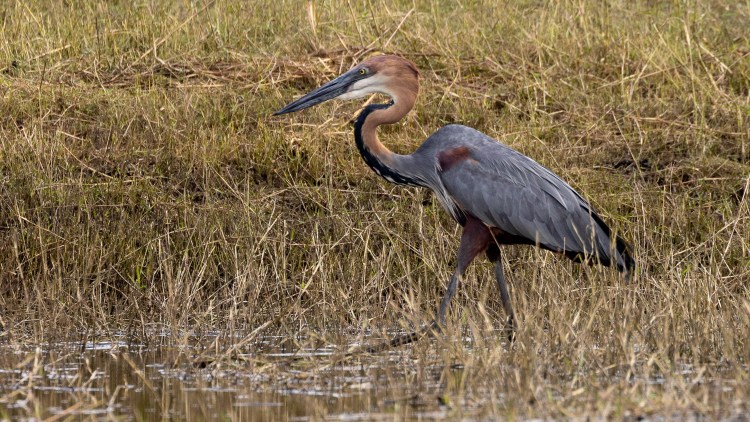
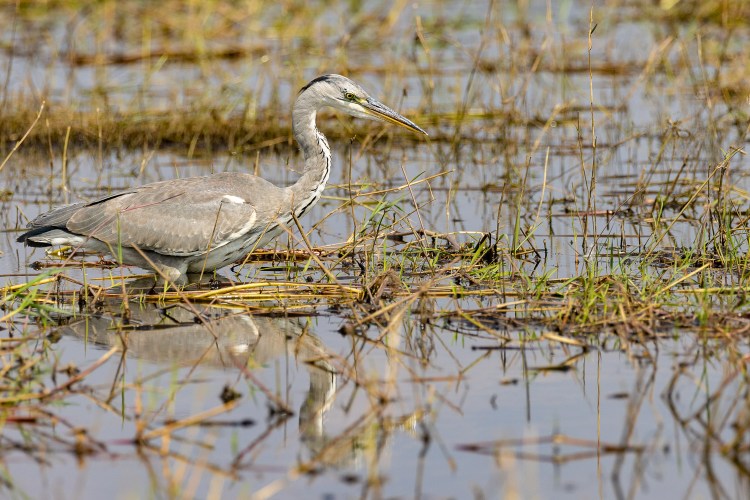
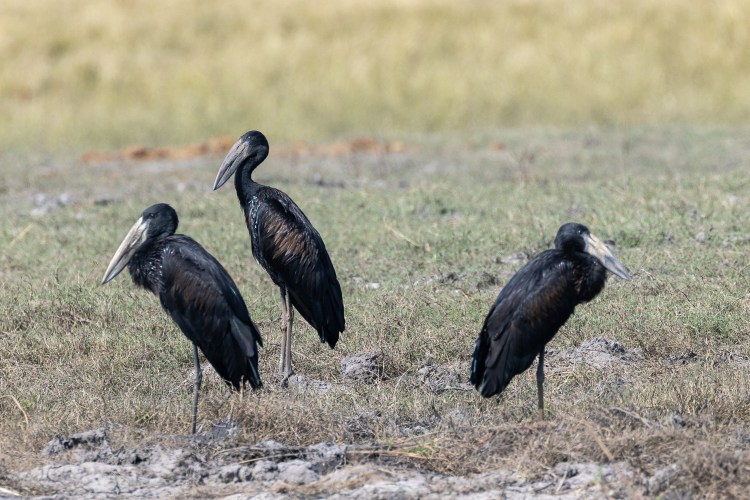
Several Storks and Herons were feeding along the river – in photos below Yellow-Billed Stork, Goliath Heron, Grey Heron and three Open Billed Storks.
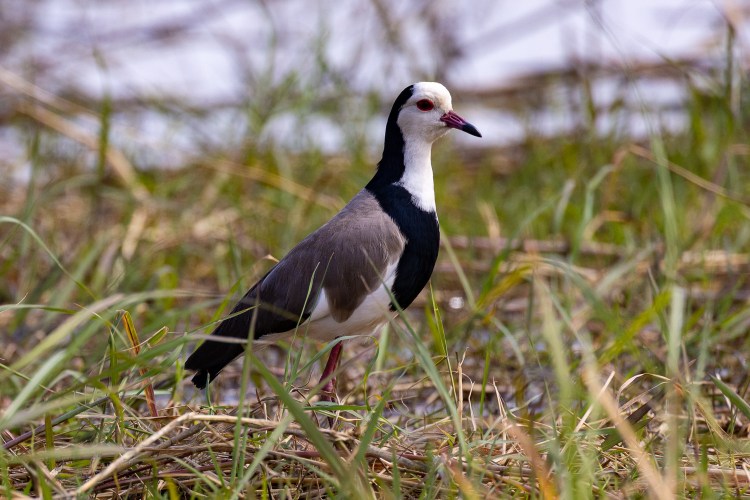
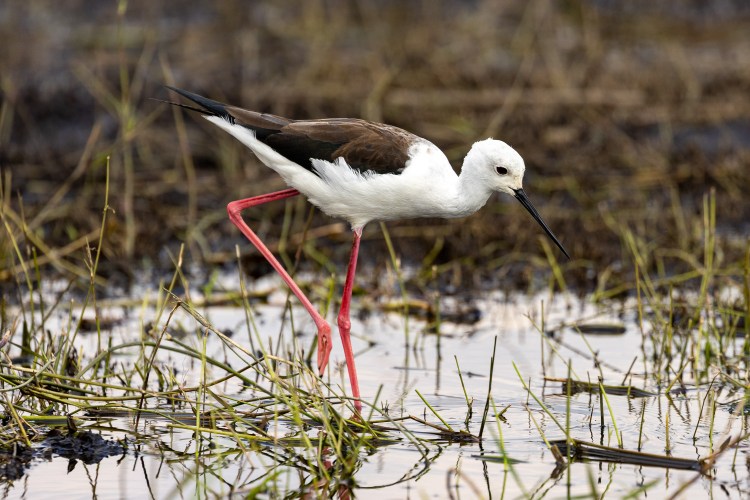
Smaller birds were constantly feeding including Long-Toed Lapwing and Black Winged Stilts
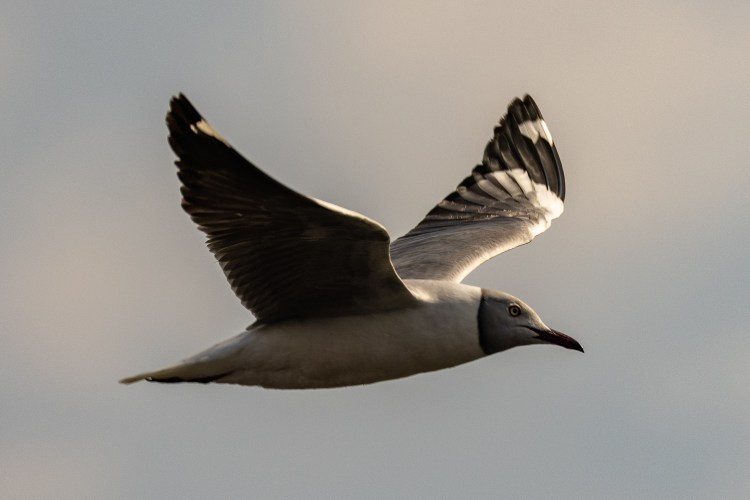
Being far from the sea I wasn’t particularly expecting to see gulls but I had done my research and knew one was possible and sure enough there was a Grey Headed Gull, a lovely elegant bird. The R5’s eye detection helped me capture it in flight.
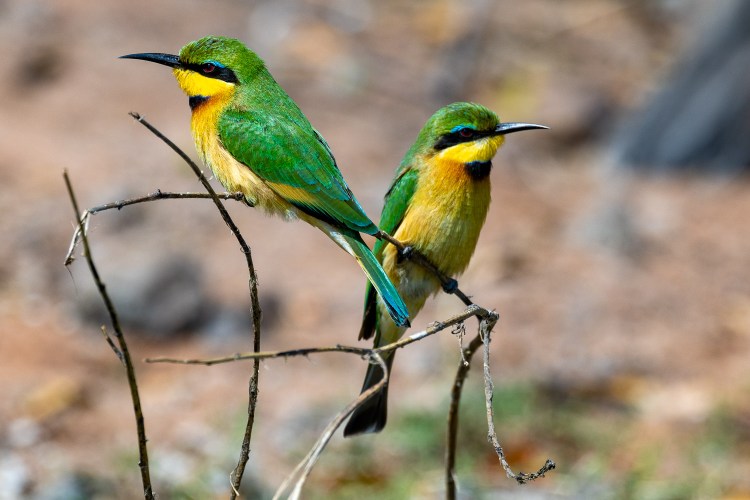
Understated elegance is one thing, bold brilliant splashes of colour were another. And the Little Bee Eaters delivered this with aplomb. I was pleased to capture this confiding pair.
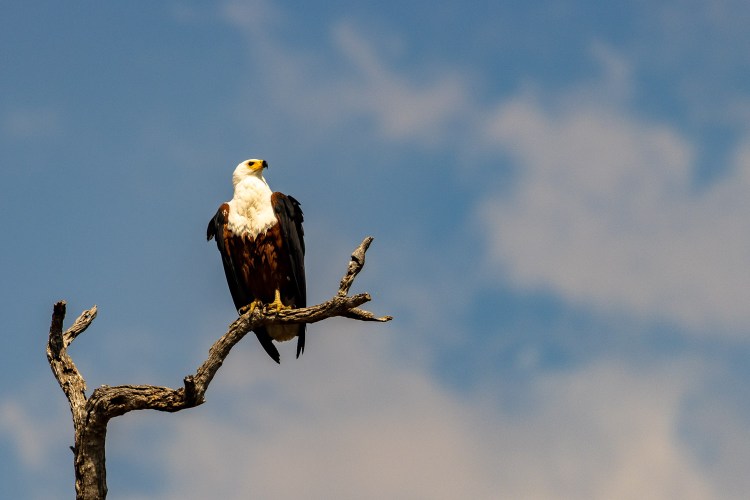
Coming back the next day I captured this photo of another common bird the African Fish Eagle.
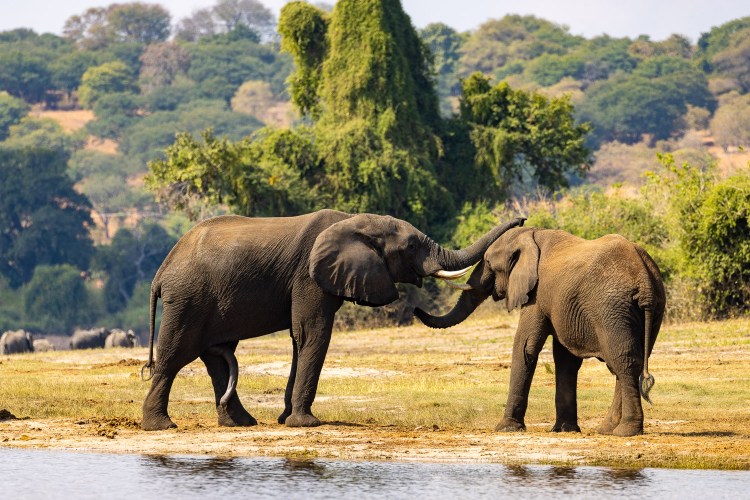
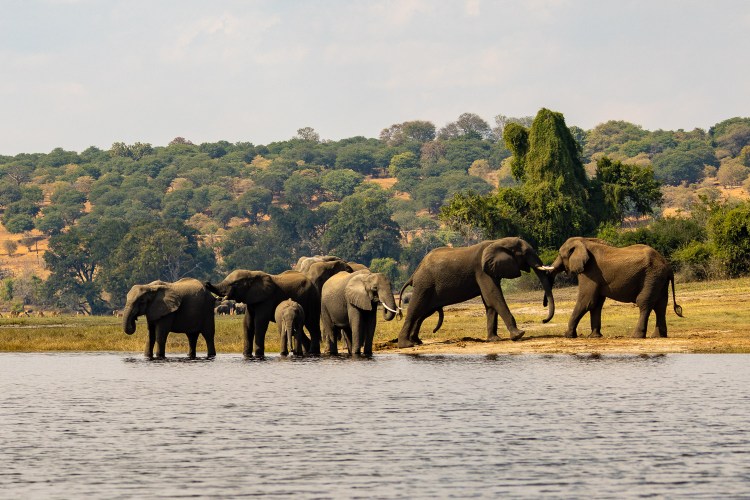
Before long we were seeing several large groups of Elephants too with lots of interactive play in and out of the water which was lovely to see.
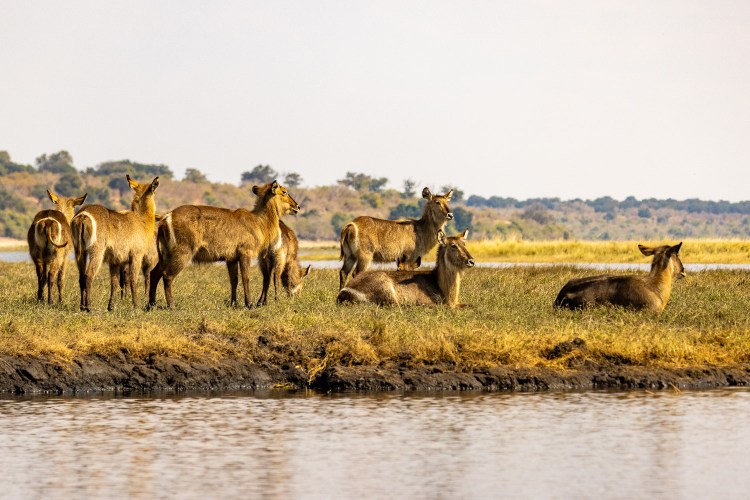
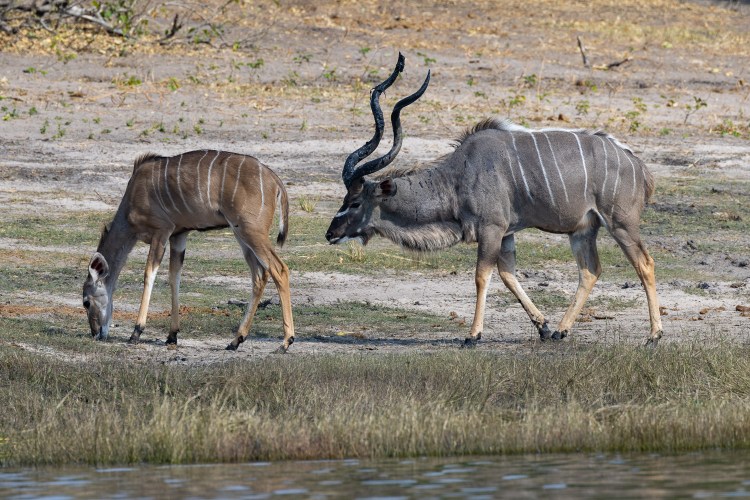
Another herd was on a headland into the river, this time Waterbuck which were the only examples of this species we saw in Botswana and a couple of Kudu
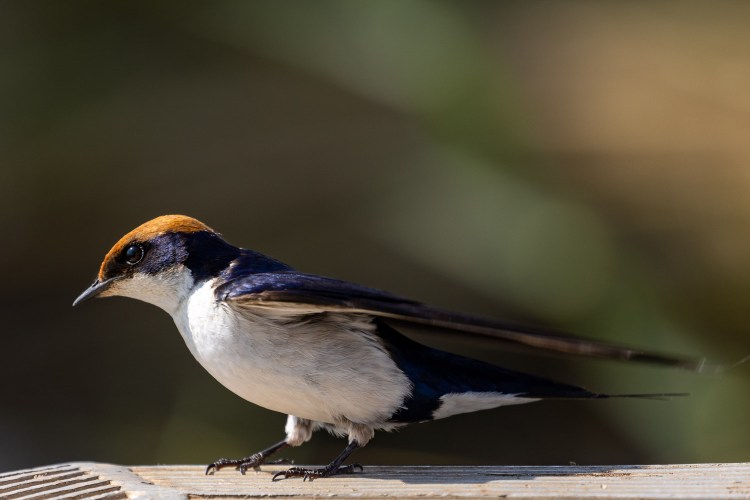
Several Wire Tailed Swallows were flying around the boat and one landed close enough for me to reach out and touch. I settled for this photo instead.
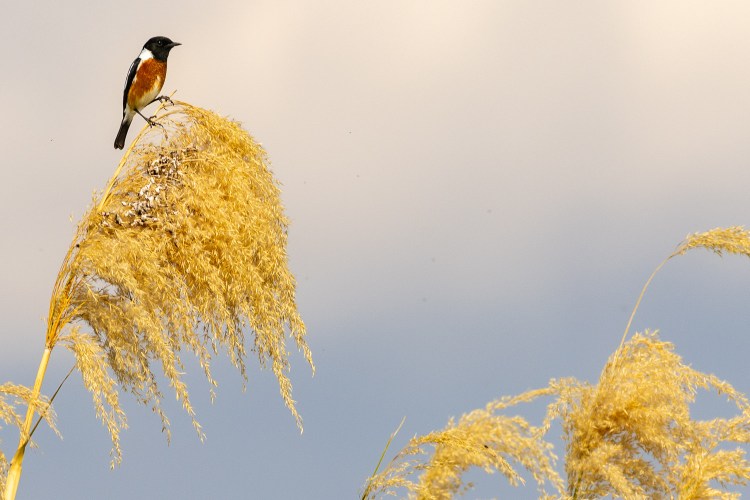
On an area of reeds we saw an African Stonechat very similar to the close relative we have back home
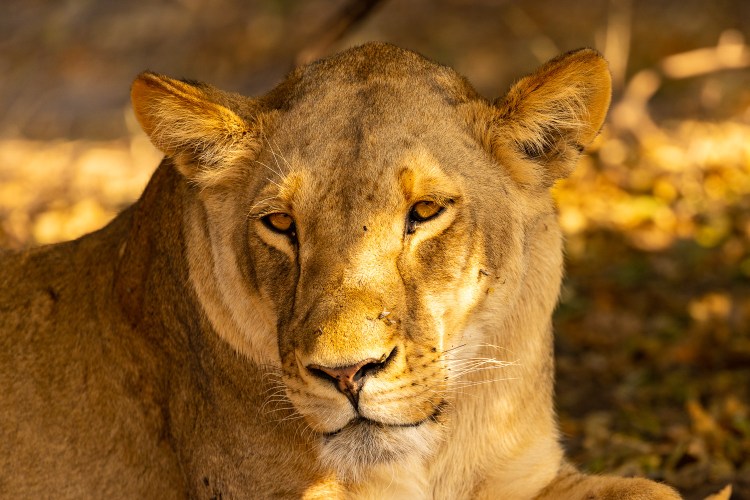
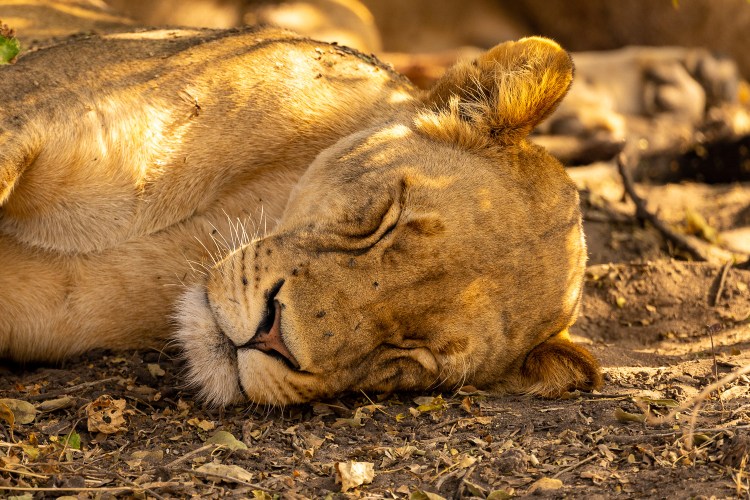
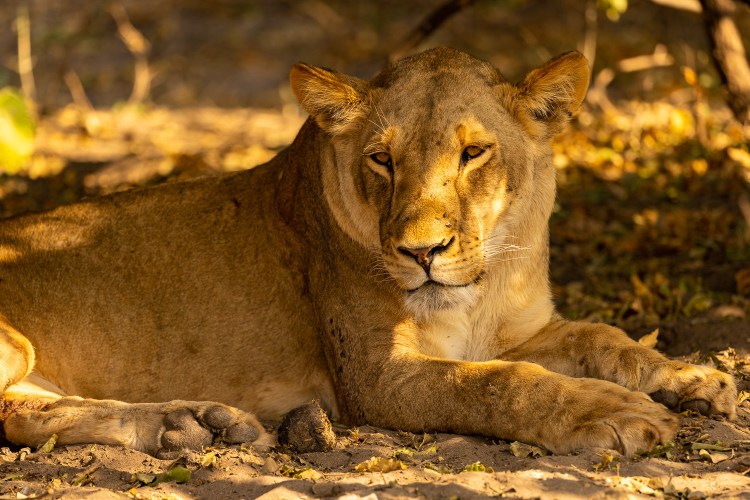
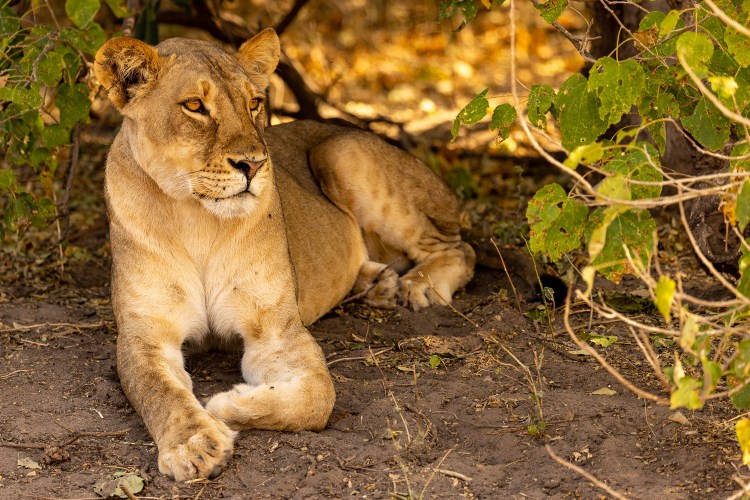
From the boat we had distant views of Lions resting in the shade but when it was time to drive back to the lodge we went via the same spot and had much closer views from the vehicle enabling me to take these pictures.
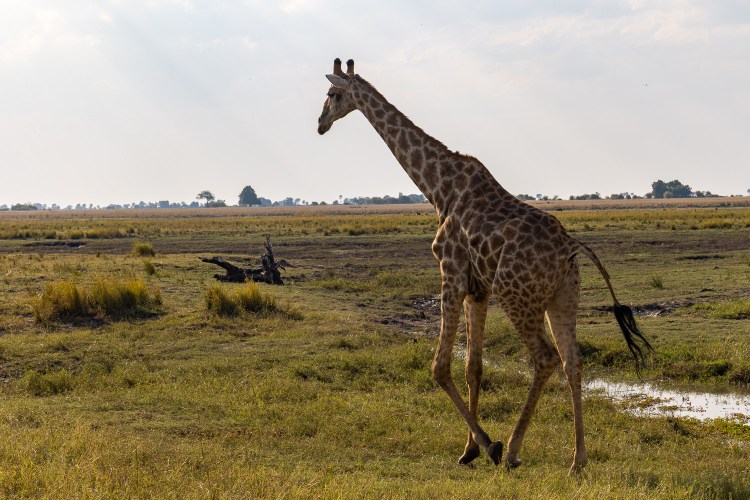
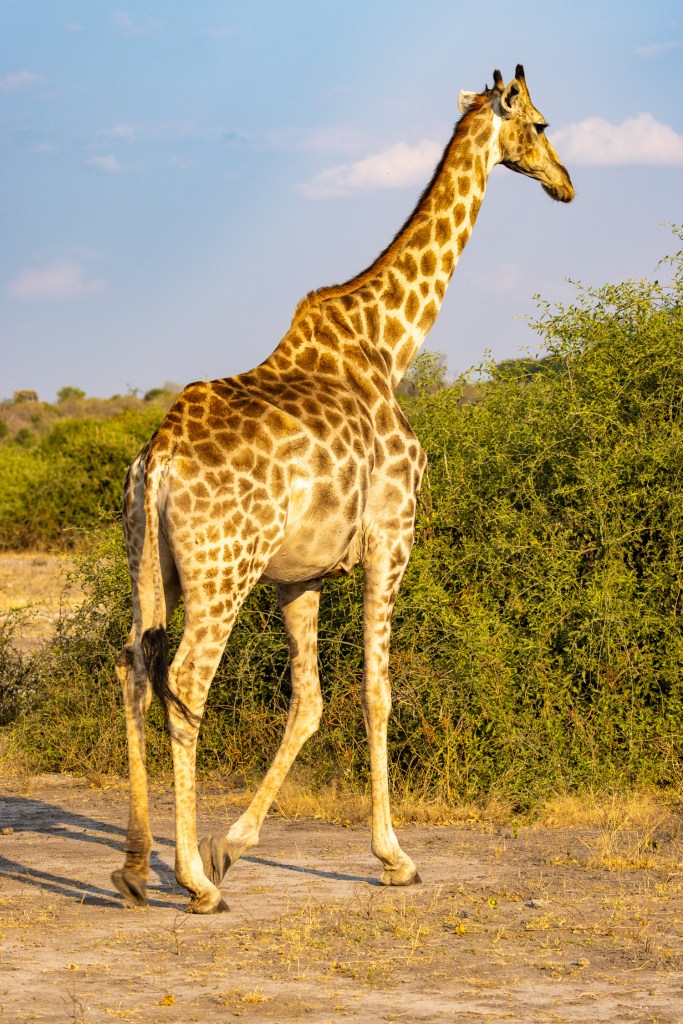
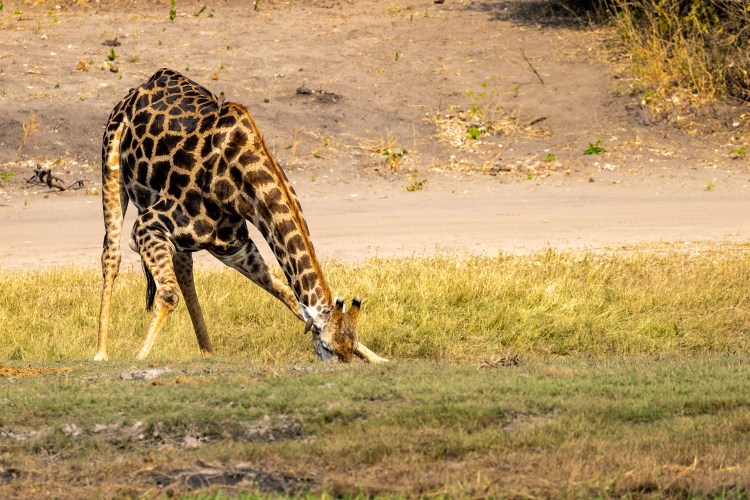
We saw several Giraffes too mostly very elegant in their movements but not so much when doing the near splits to access a salt lick for much needed minerals.
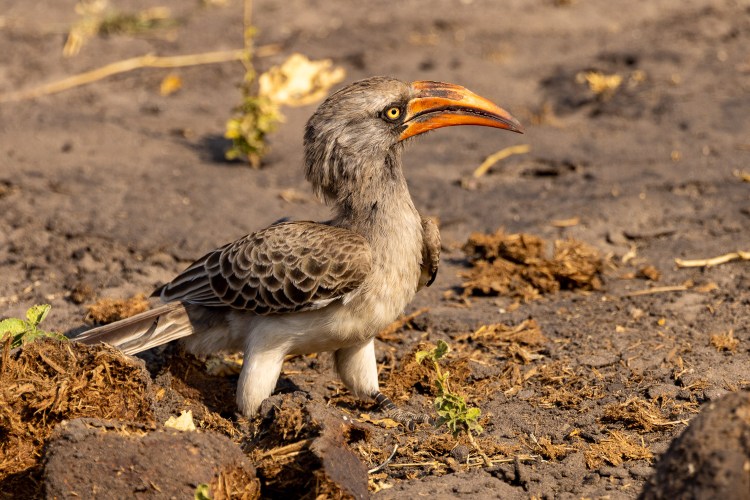
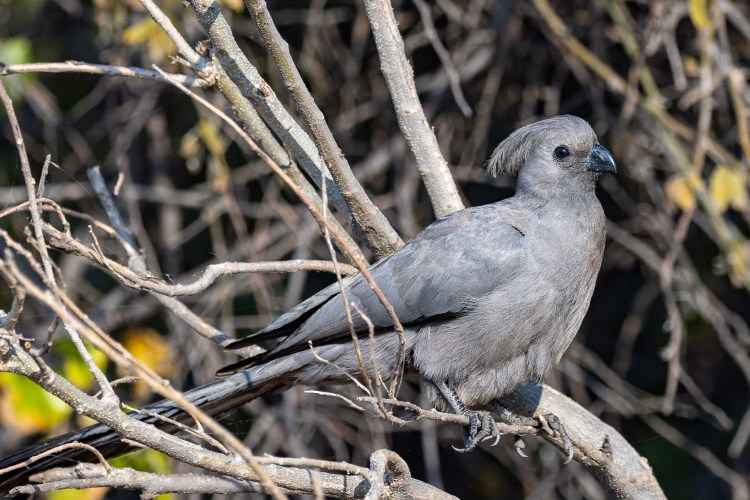
We added several new birds on this drive including those below. The Kori Bustard was a highlight as Botswana’s national bird.
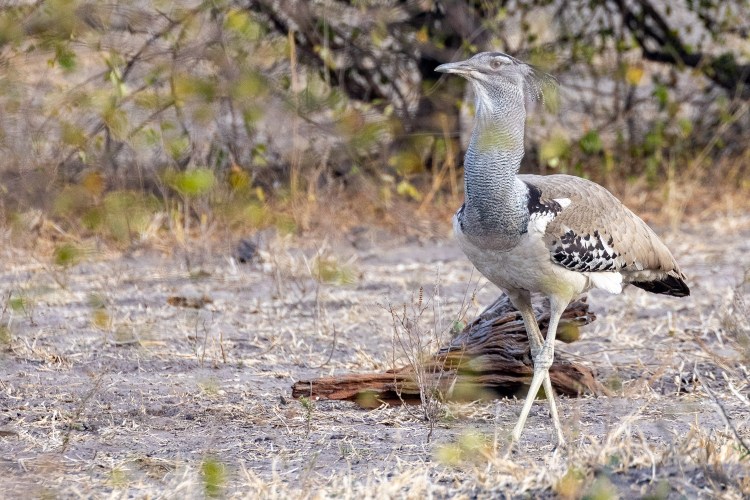
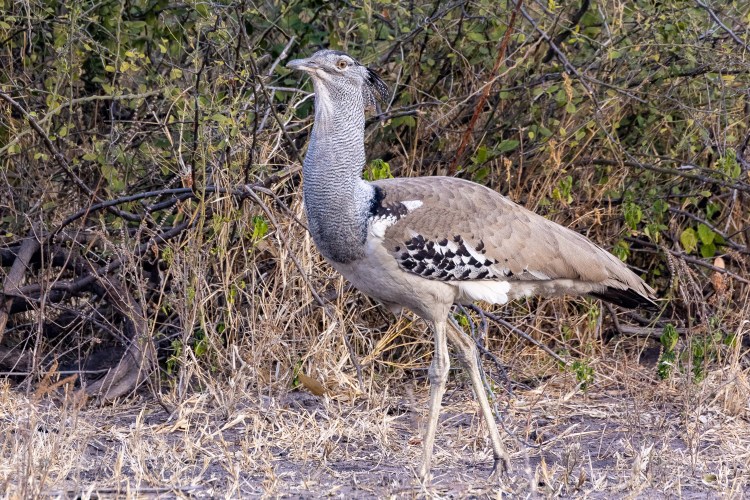
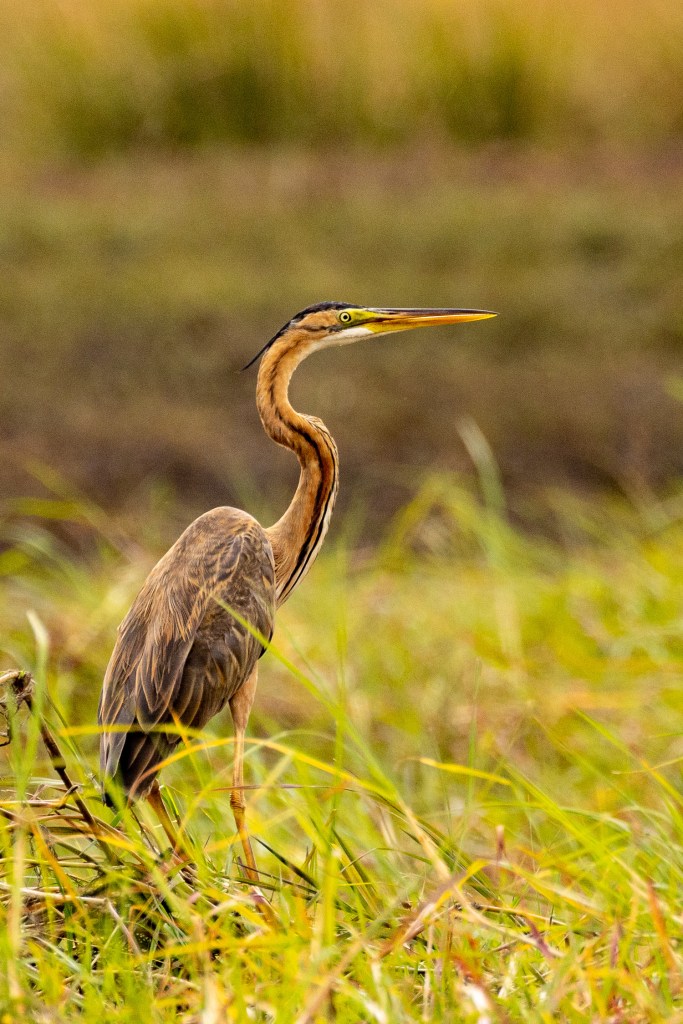
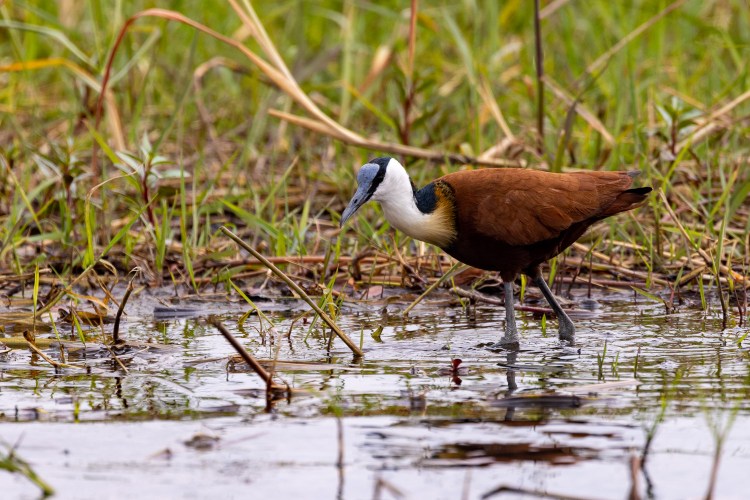
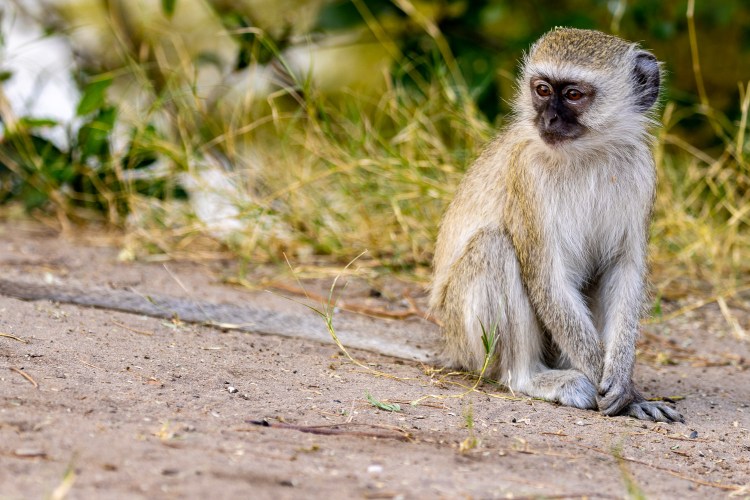
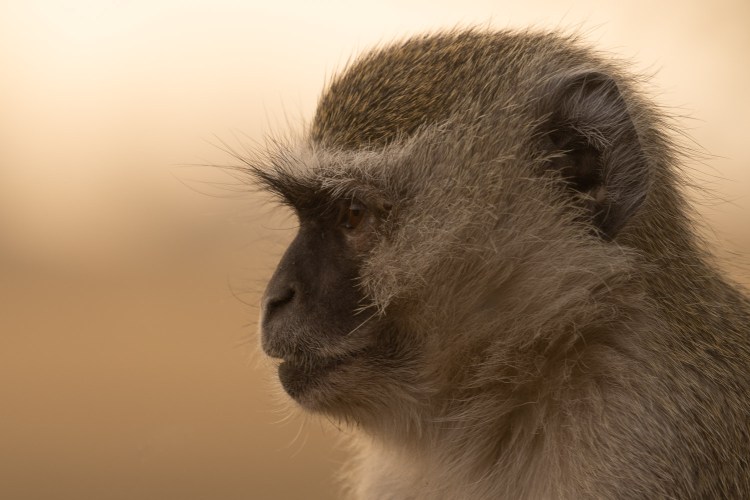
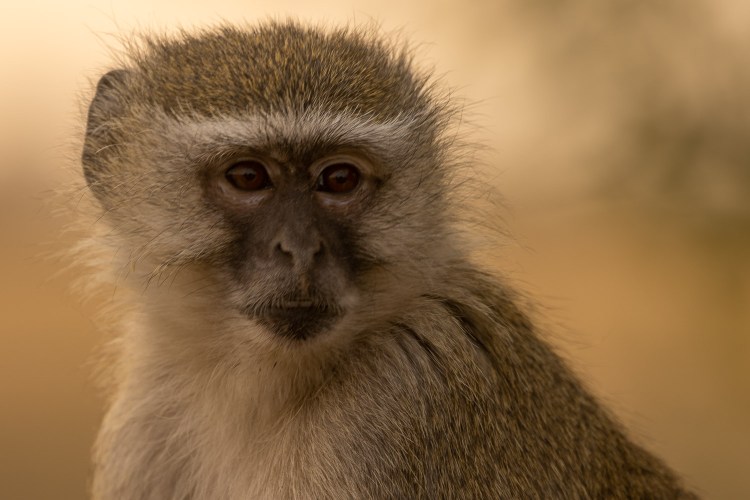
We stopped at a picnic area for a leg stretch and a small troop of Vervet Monkey enabled me to get several shots including a couple of closeups I was quite pleased with in the golden light.
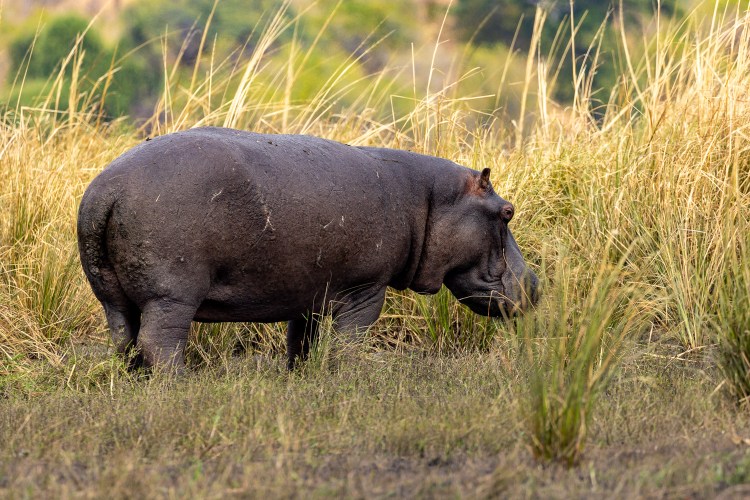
The last photo I took of the day was a Hippo out of the water showing how truly massive they are.
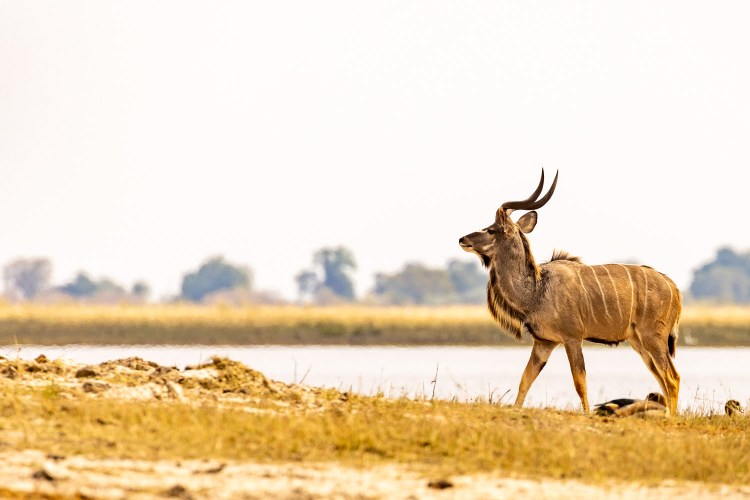
We did another cruise on the river and early on I was really pleased to isolate and capture this magnificent male Greater Kudu. A really powerful animal.
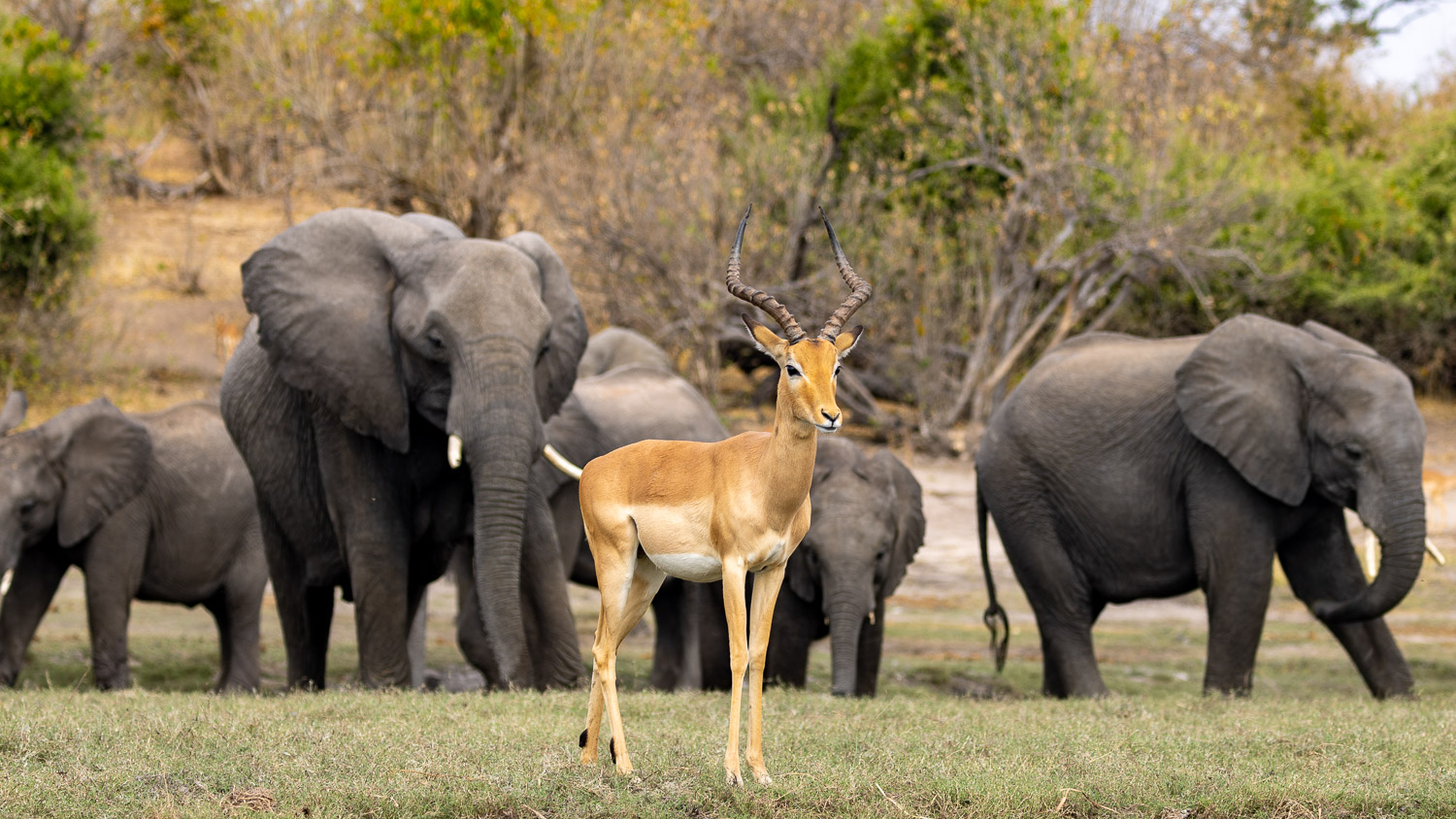
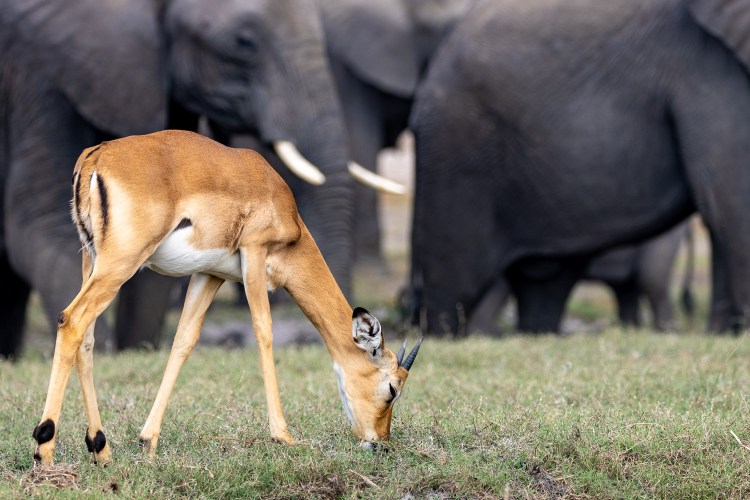
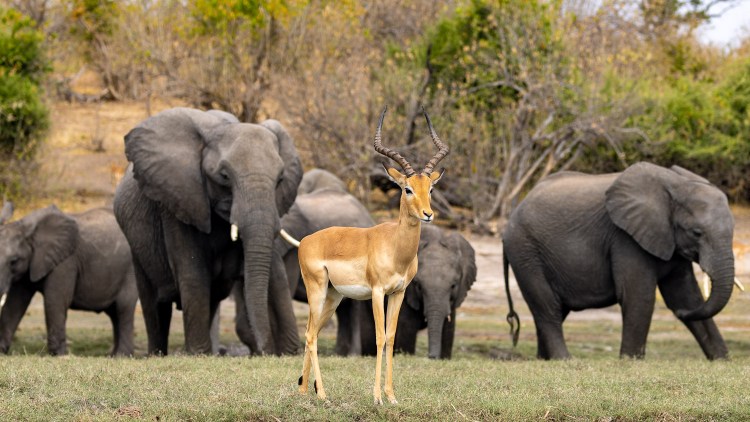
I was being more choosy with the shots I took now and was pleased to take some photos of an Impala gazing with Elephants providing the background. Slightly more depth and interest in the shot.
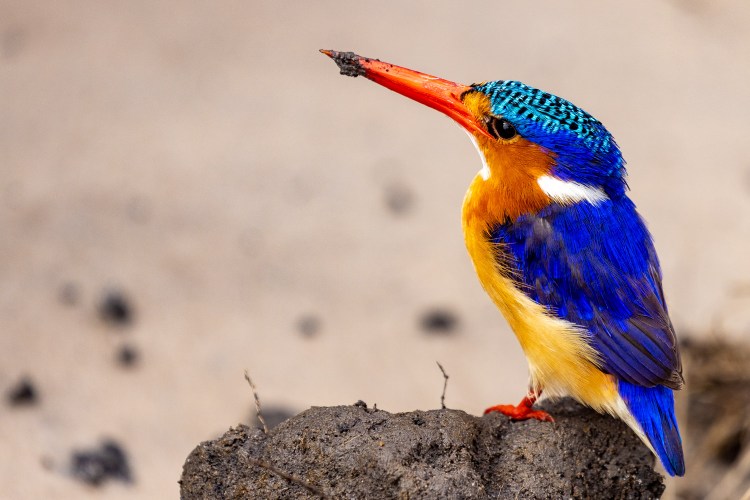
Getting back onto some birds my photo of the trip so far was a super closeup of this stunning but tiny Malachite Kingfisher. Our skilled guide turned the engine off and we drifted to within about 2m of the bird as it took a rest from digging a hole in the mudbank.
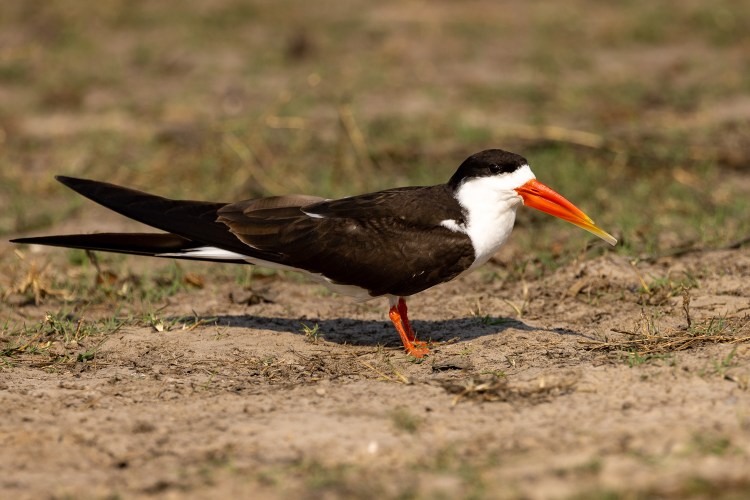
Another bird I had been hoping to see was the African Skimmer. It has an improbably large lower bill used for skimming along the water open billed and snapping shut when it senses a fish. We found a pair nesting on a small sandy island.
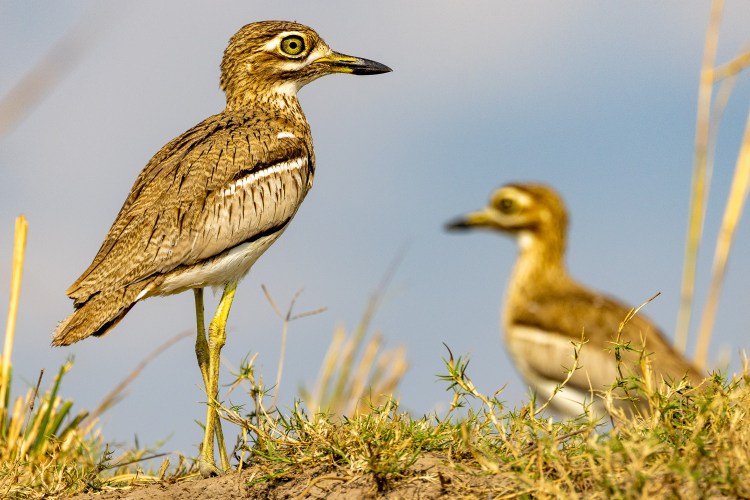
Nearby we saw more Water Thick-knees a close relative of our Stone Curlew. Their large eyes betray their largely nocturnal habits.
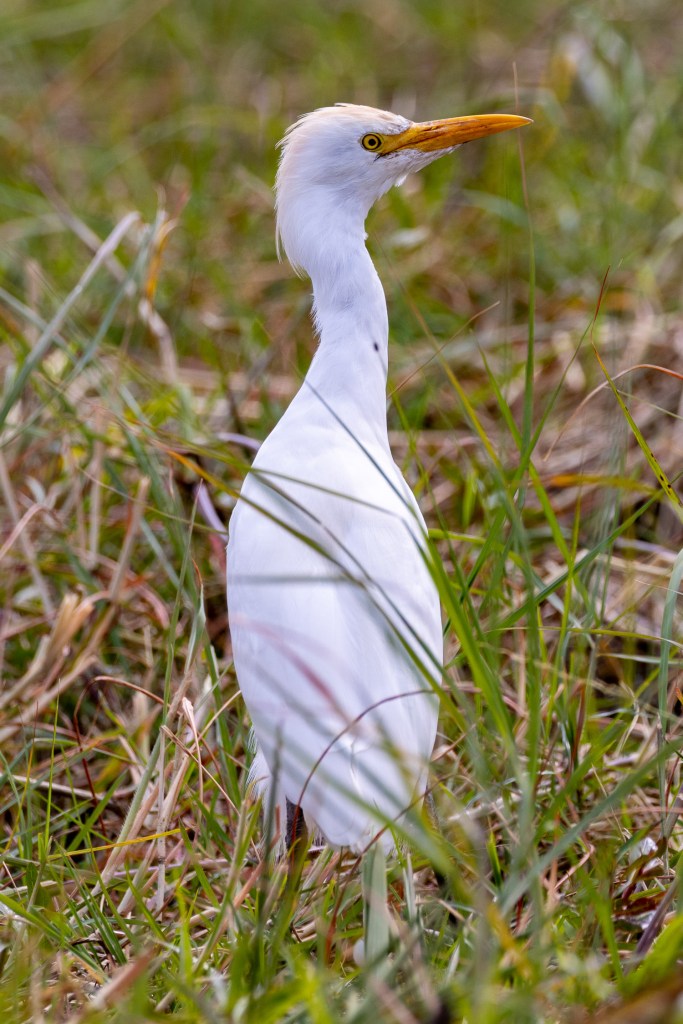
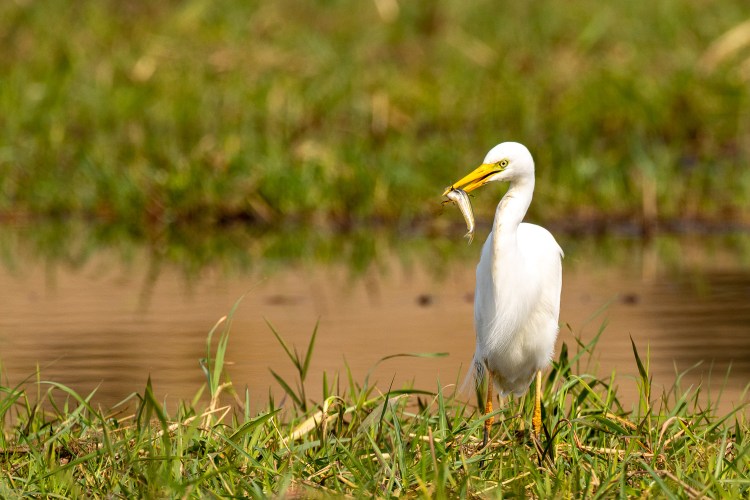
By this point we had seen the common egrets (Great White, Cattle and Little) so I was pleased to pick out a slightly different bird which the guide confirmed was an Intermediate Egret.
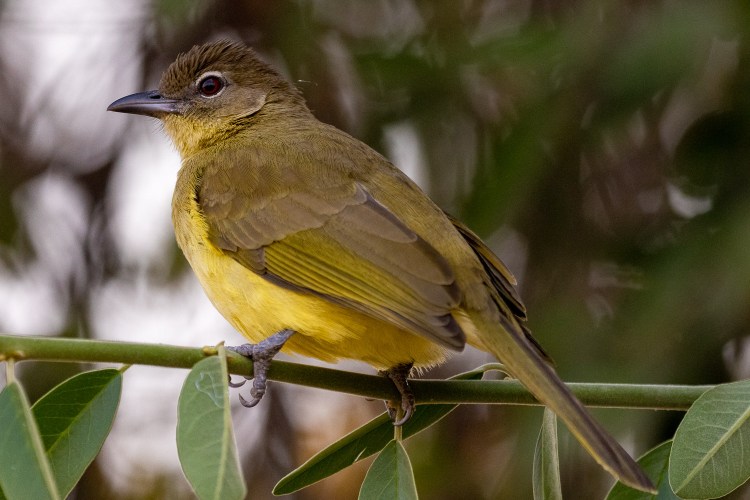
One bird I knew from eBird research we should see in Chobe but had not seen yet was the Yellow Bellied Greenbull, I mentioned this to the guide and he boldly declared he knew a spot. Sure enough 5 minutes later we drove up to a bush, he parked and said give it a minute, and suddenly there it was. Impressive knowledge and shows the value of local guides.
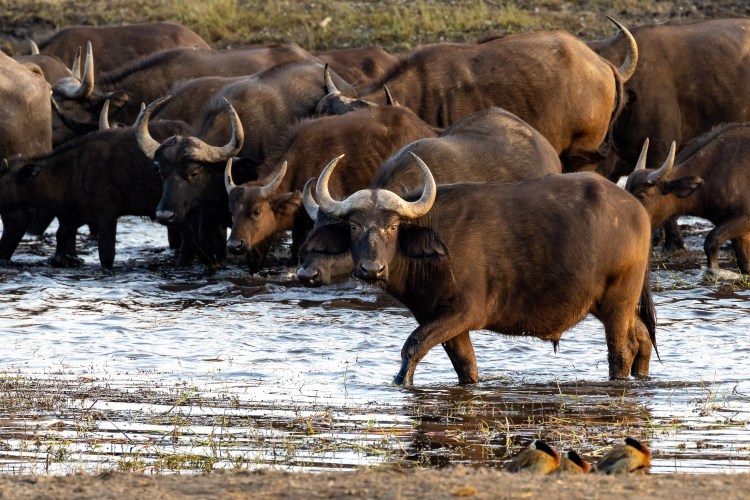
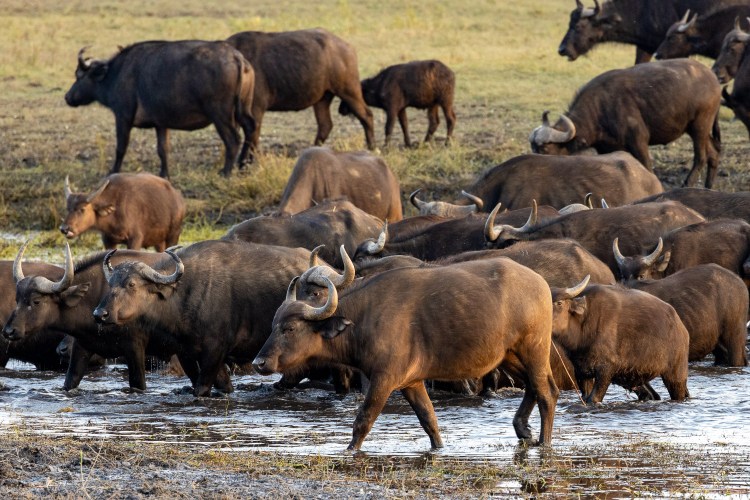
On our final morning in Chobe we got up early and headed down to the river. We were amazed to see about 800 Buffalo preparing to cross the river. After a while they started and it was great to see this mini migration.
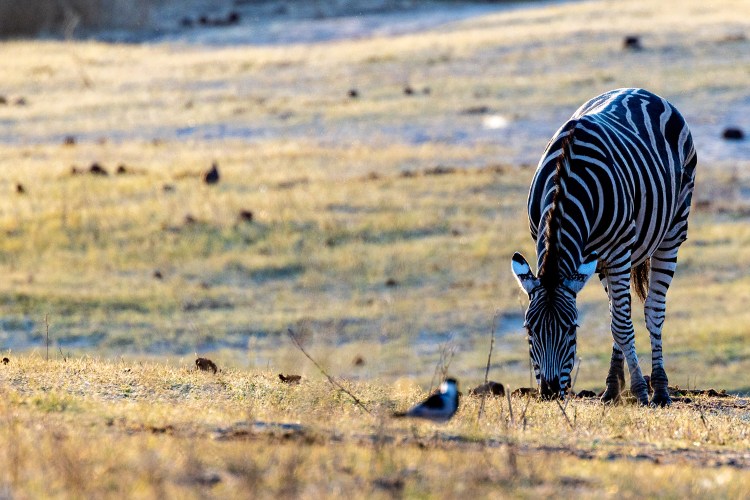
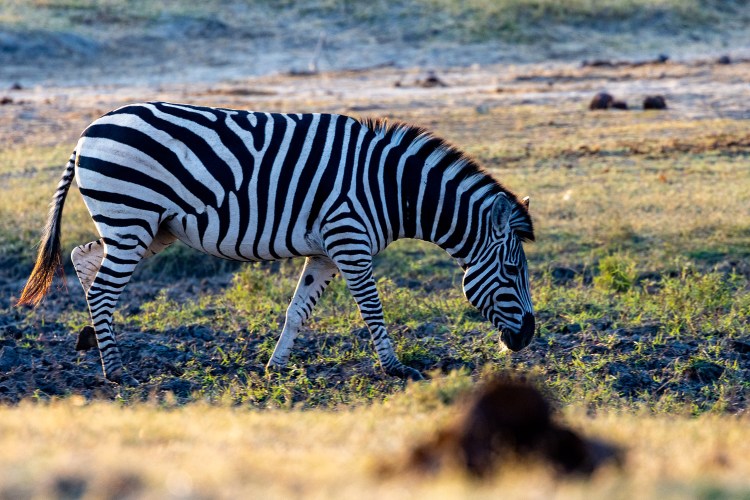
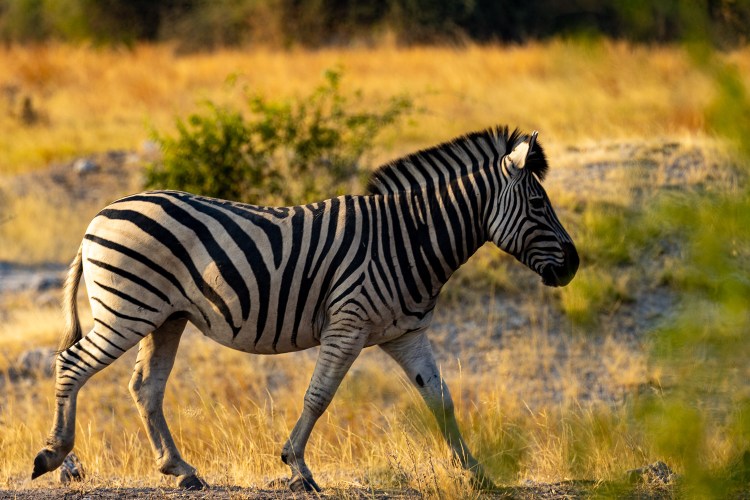
Other animals were around including several Zebras
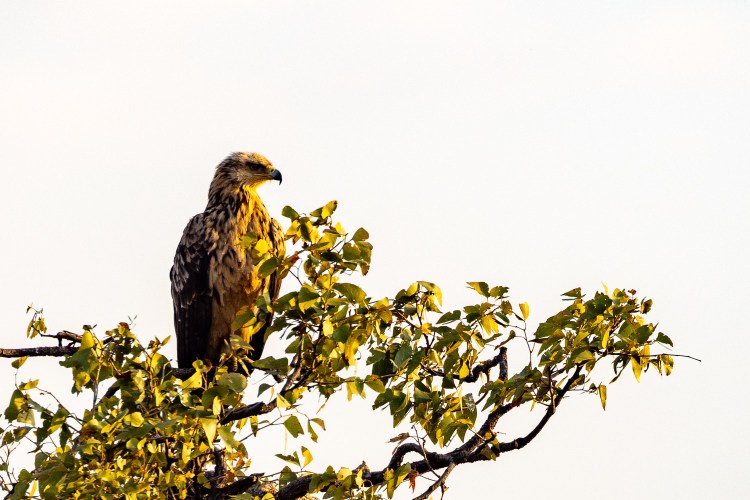
It was time for us to leave to catch our plane onwards to the Okavango Delta, but we were pleased to catch a final Tawny Eagle as our last bird in Chobe.
A wonderful 3 days in Chobe National Park, adventure of a lifetime. Next stop Okavango Delta.
 WildScot Photography
The best scenes anyone can have of African elephants!
LikeLike
Great shots… I was born and brought up in Zambia ( now living in Australia) and I miss the animals .. and the birds. The kingfisher is beautiful! The Impala looks very elegant in front of the elephants.
Best wishes on your travels.
LikeLike
Thanks so much, what a place to grow up. Yes the kingfisher was a stunner
LikeLike