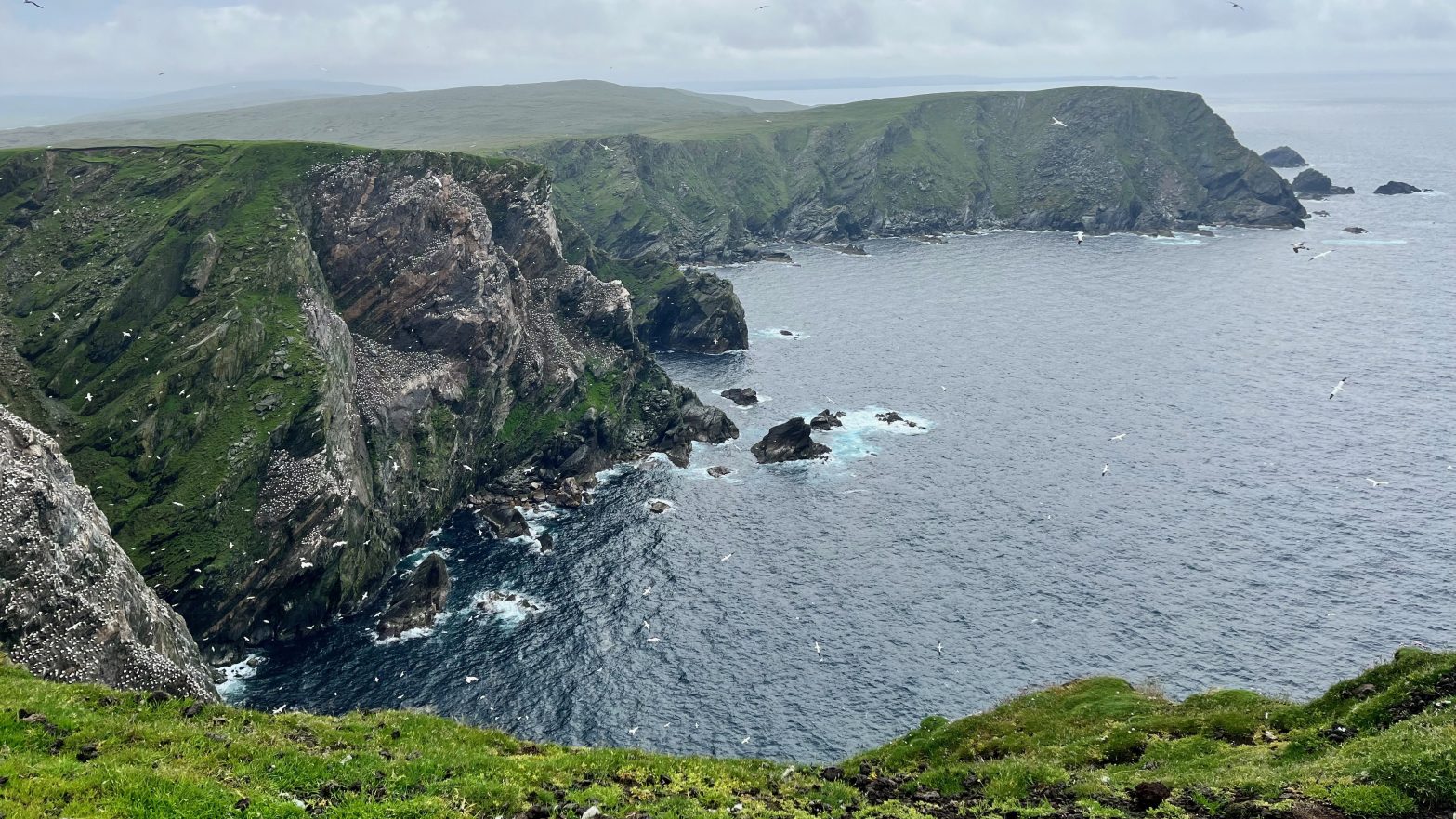
For our summer holiday this year we have taken a trip to Shetland for the first time and here is my first blog about what we have been seeing. First up the northern isles of Yell, Unst and Fetlar.
Yell
Now if there is ever an example of why you should always have your camera with you this is it. We had just arrived in Shetland picked up our campervan and were taking our first (of many) ferry rides, this one from the mainland to Yell. I left my camera in the van and took my binoculars. About half way through the 20 minute crossing we had wonderful views of a single bull Orca – most likely the lonely male known as Orca 18 – but we will never know because my camera was in the van. Oh well I did really enjoy my first ever Orca sighting though and I carried my camera with me on all future ferry crossings, in hope of a repeat!
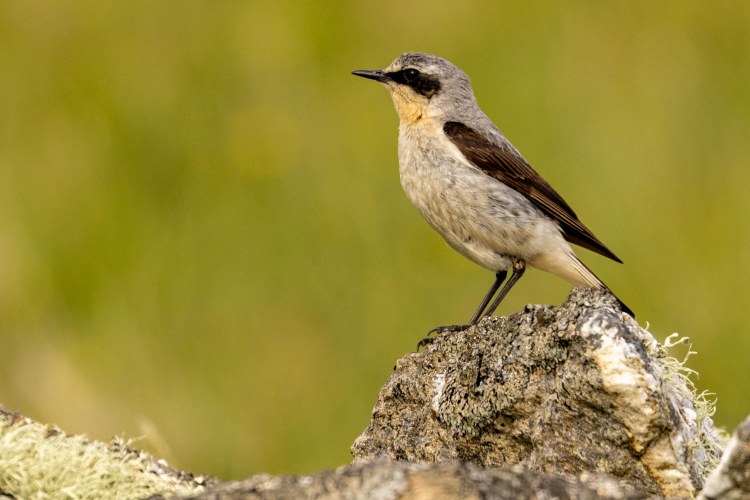
From our campsite on Yell we took a walk and noticed there were Wheatears everywhere taking a highpoint and tutting their disapproval and warning their newly fledged chicks to keep out of our way. I did have my camera this time.
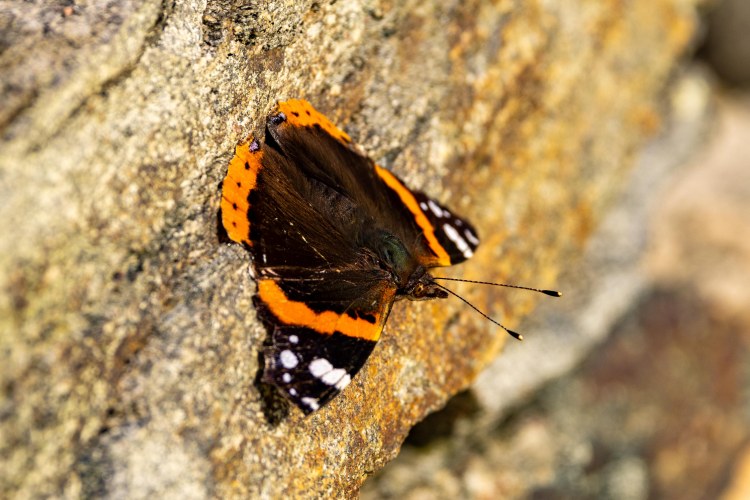
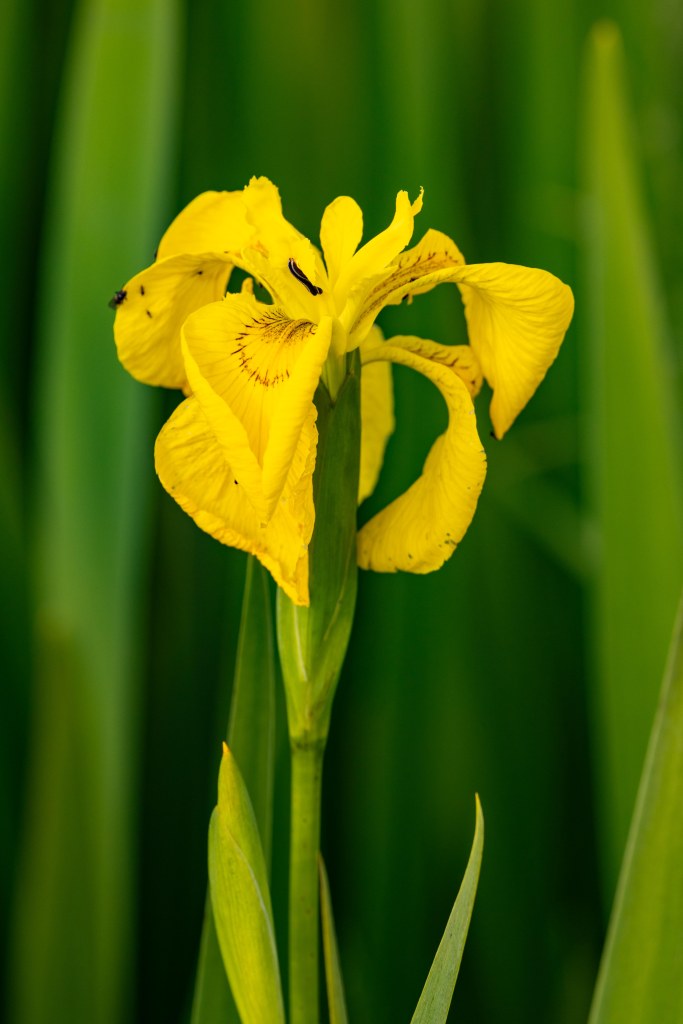
We also enjoyed the wildflowers and butterflies too.
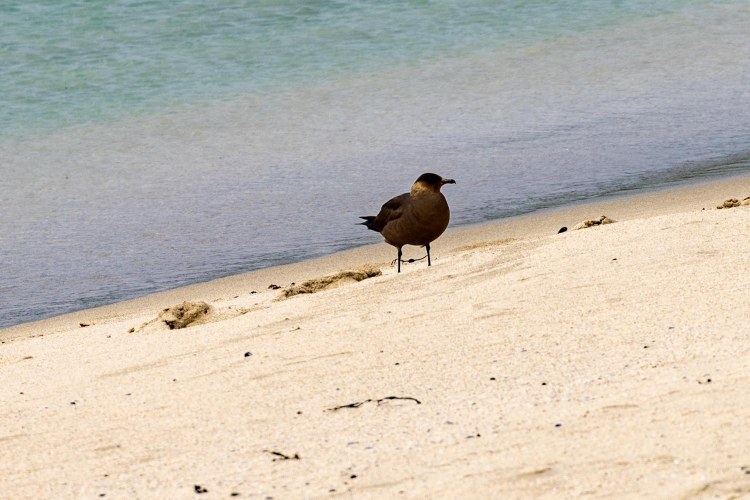
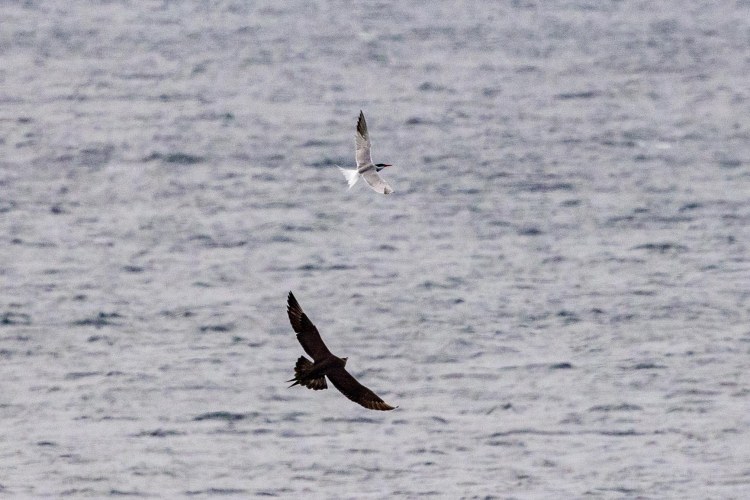
The next day we visited the Sands of Breckon at the north of the Island. Apparently there are two kinds of beaches in Shetland – Busy and Quiet – busy beaches have someone else on them. On this beach was a sole Arctic Skua which every few minutes would take off and harass the Common Terns that were feeding offshore.
Unst
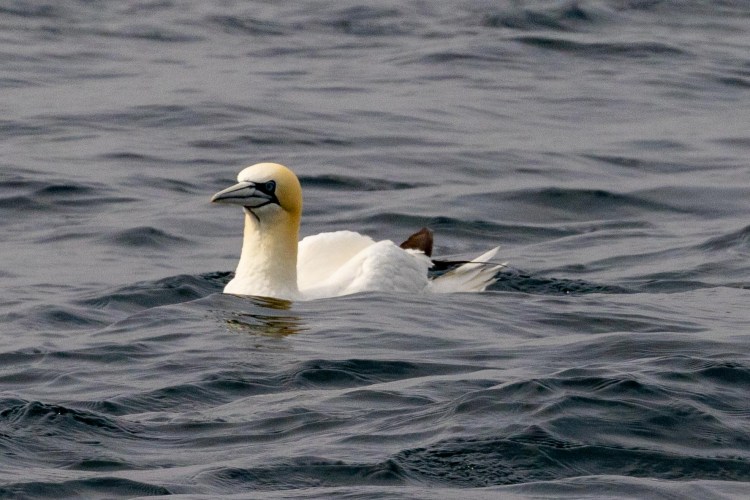
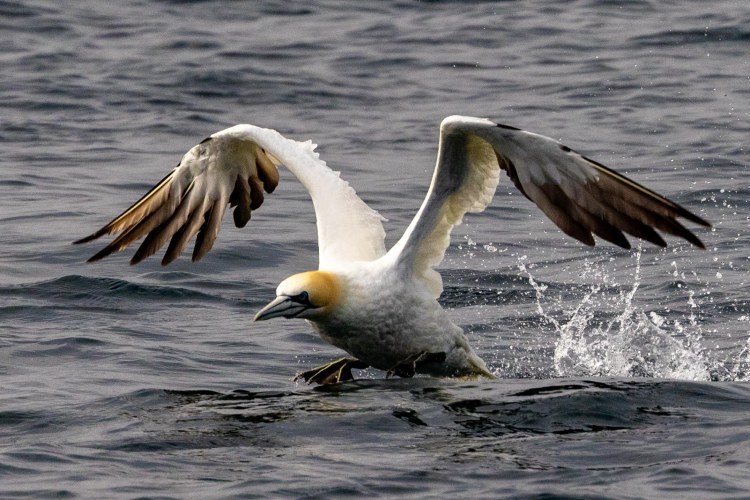
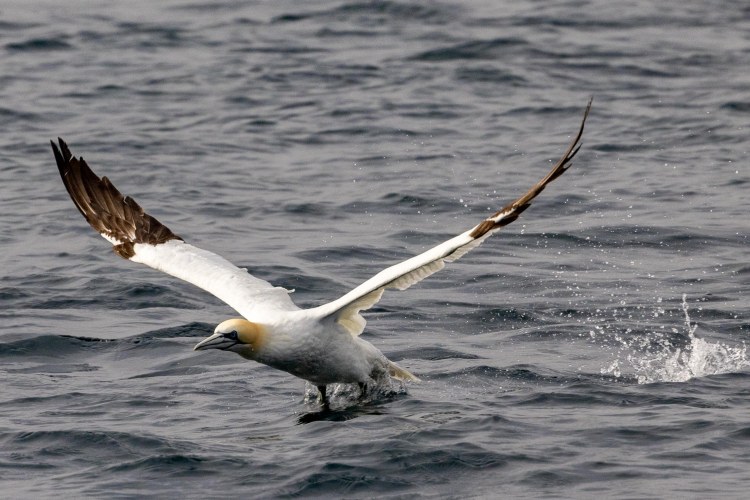
We had a date with another ferry to Unst, the most northerly inhabited island in Scotland. I took my camera this time but alas no Orcas, but there was a lovely Gannet on the water which lifted off as the boat approached.
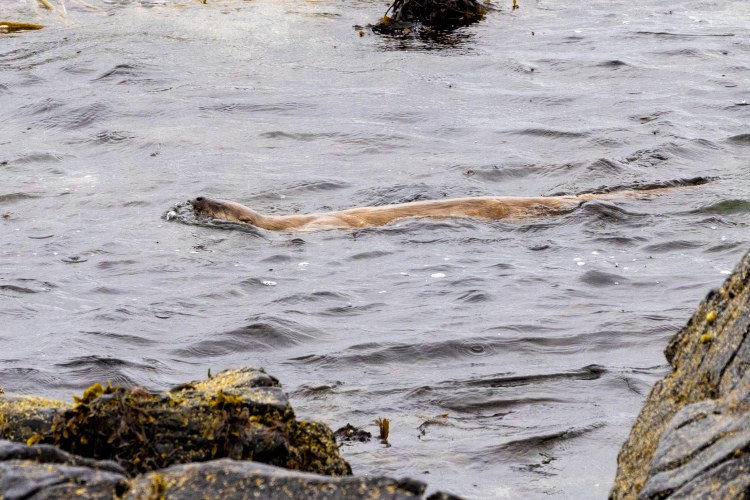
By this point we had started seeing quite a few Otters, a total of 5 across the Northern Isles. But most were distant views of them diving for fish and feeding on the surface of the water. We watched one for a few rainy hours feeding capturing a total of 28 fish in the time we watched. Later, one did swim past us briefly which allowed a quick photo.
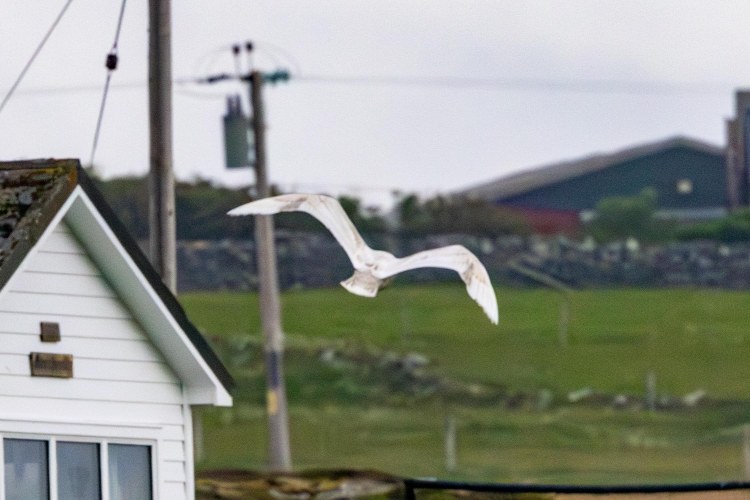
From our campsite we could see a Gull roost which I had mostly ignored whilst we were preparing tea. A dog walker put them all up and I was surprised to see a white winged Iceland Gull among the Herring Gulls. I managed a record shot as it flew away in the failing light.
Hermaness
Now Unst is famous for the sea-bird city cliffs of Hermaness and I had been looking forward to seeing these since we first booked the trip. As we approached we passed the Loch of Cliff and I saw what I first assumed were geese bathing in the water. Something didn’t quite look right and I stopped the van and looked through the binoculars and sure enough these were Great Skua’s of Bonxies as they are known in Shetland.
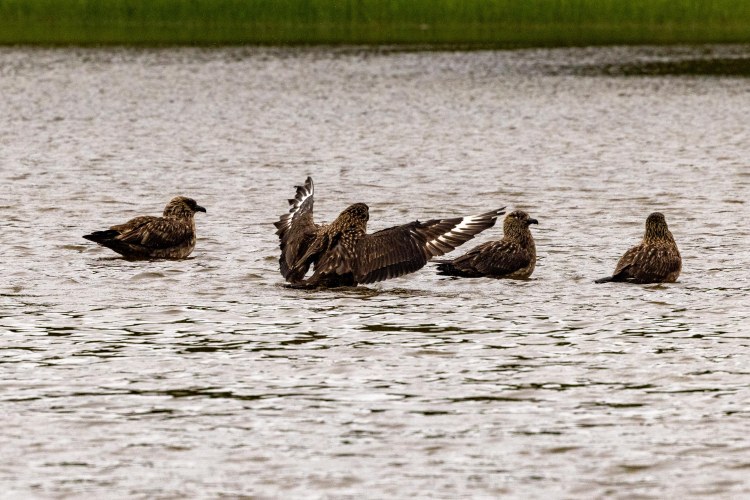
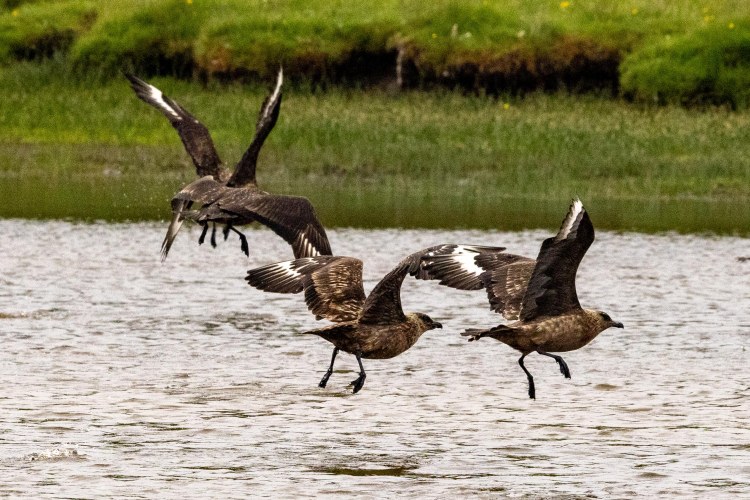
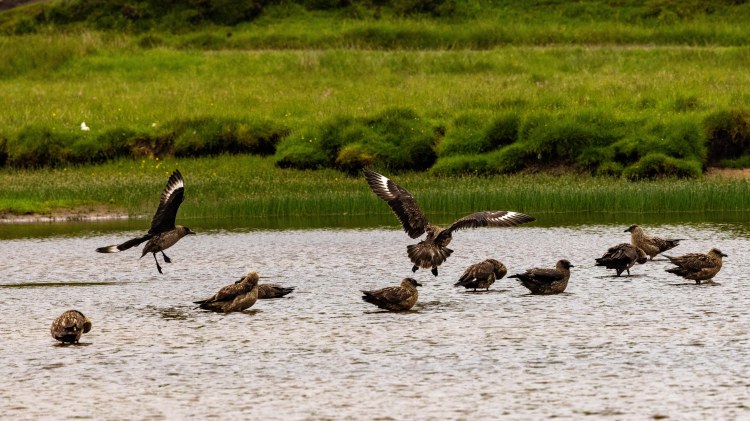
They were quite active bathing splashing about, taking off, flying around and then landing again.
We continued up to the end of the road parked up and set off on the walk on the somewhat excellent boardwalk path.
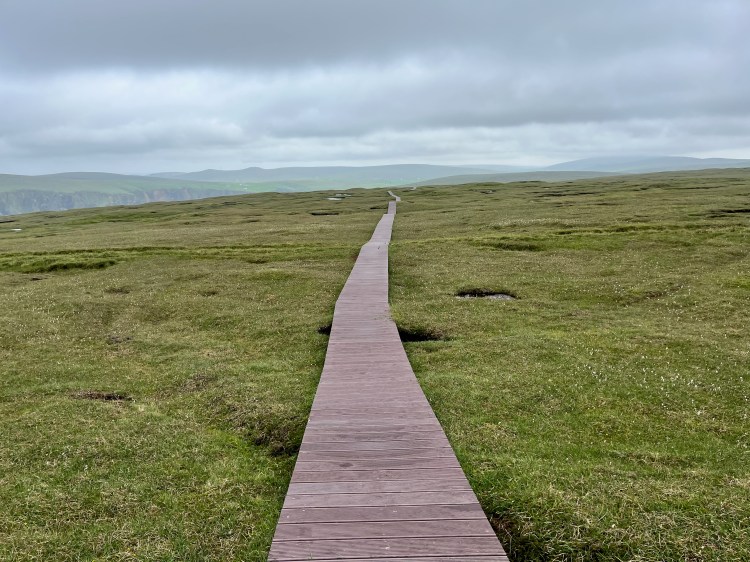
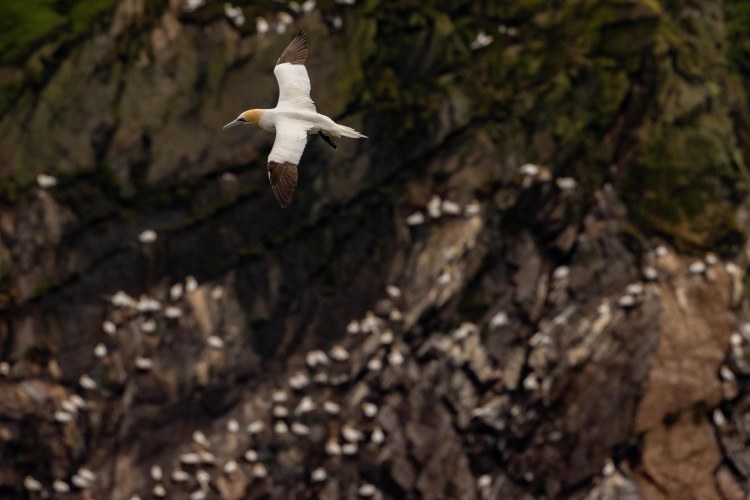
After half an hour or so we approached the cliffs and then walked south to overlook the main Gannet Colony.
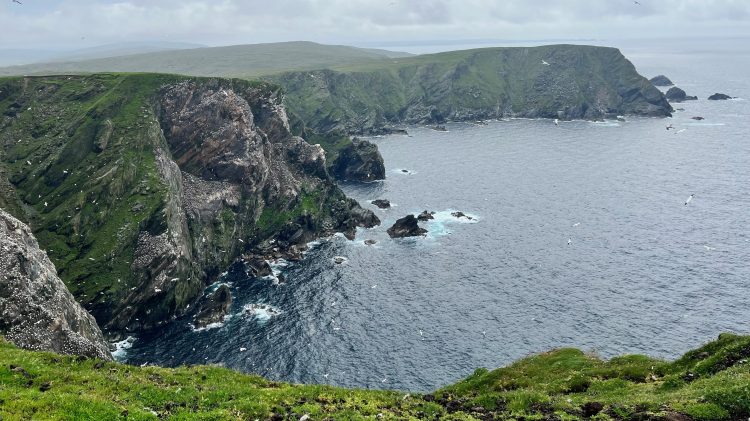
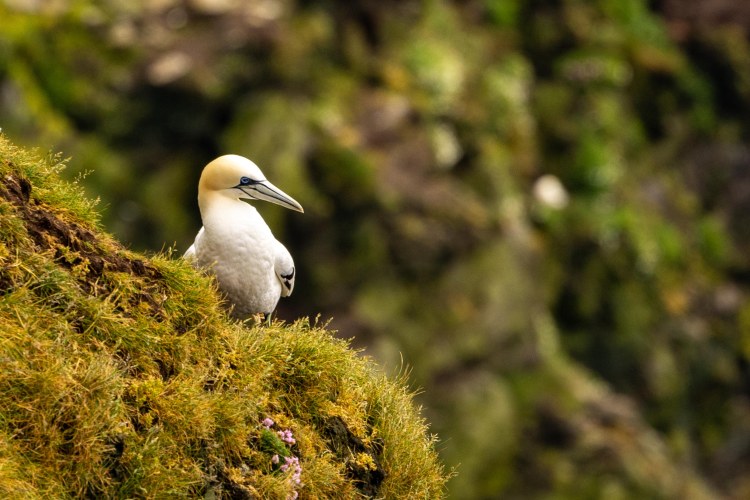
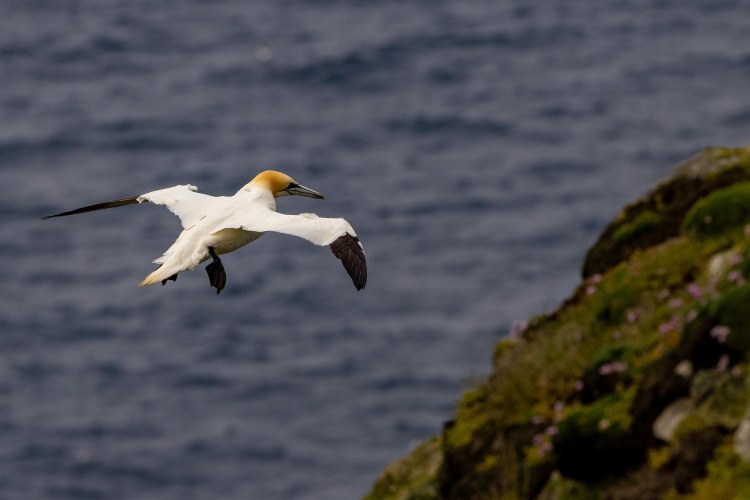
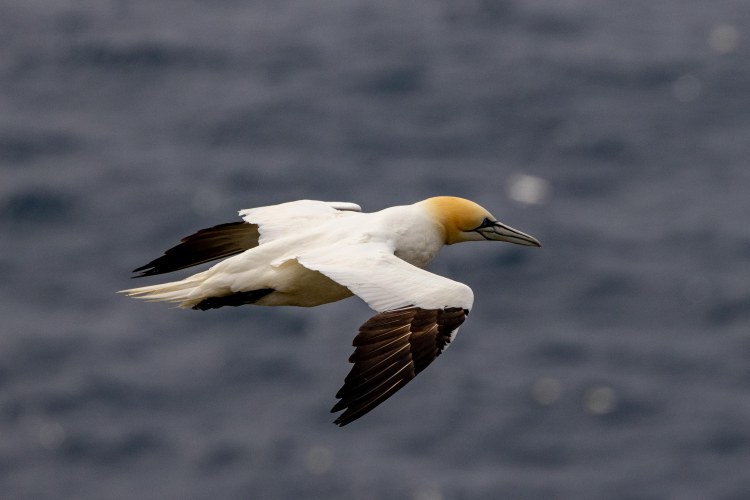
This was a great experience with Gannets everywhere plunge diving into the water below, flying past only a few feet away and perched on their precarious ledges too.
We retraced our steps and continued north and before long coming across lots of Puffins alongside their burrows. It is easy to get a good photo of a Puffin as they allow you quite close but it is hard to take anything different as so many photos of puffins have already been taken. I just settled for getting a clean background.
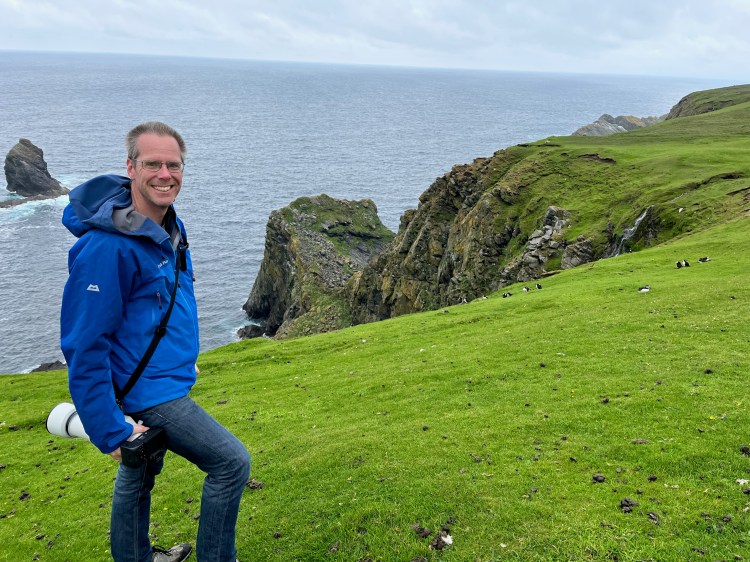
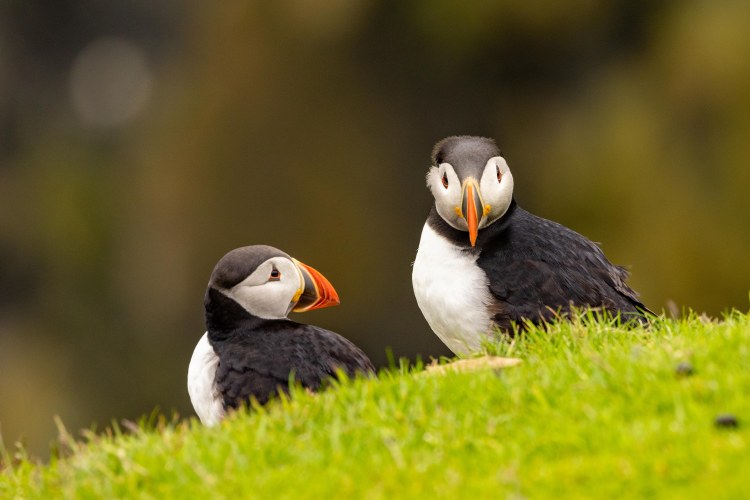
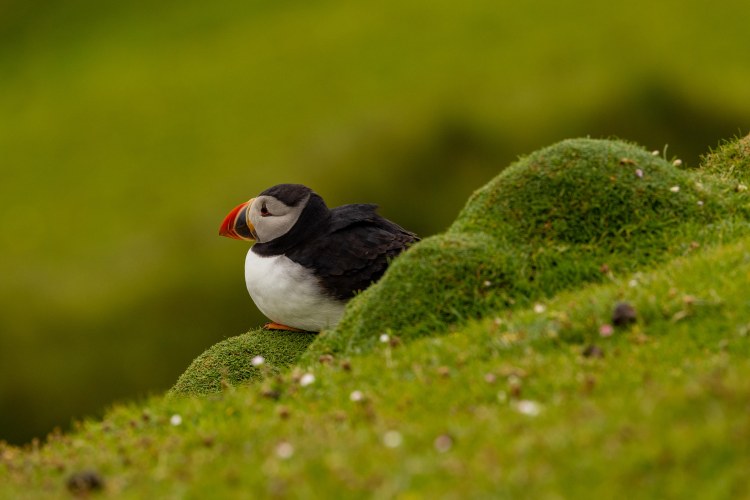
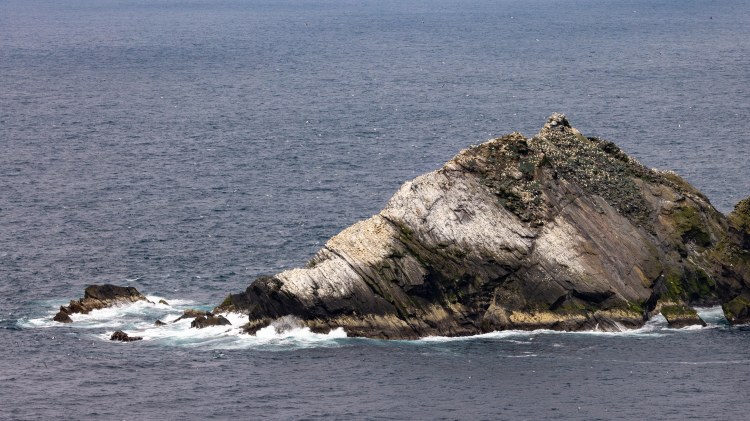
Heading north again we came to the northerly point and looked out over the Islands which make up Muckle Flugga (the most northerly point of the British Isles) including its lighthouse. You may be wondering what the white smudges on the rocks are – the answer is in the 4th photo below
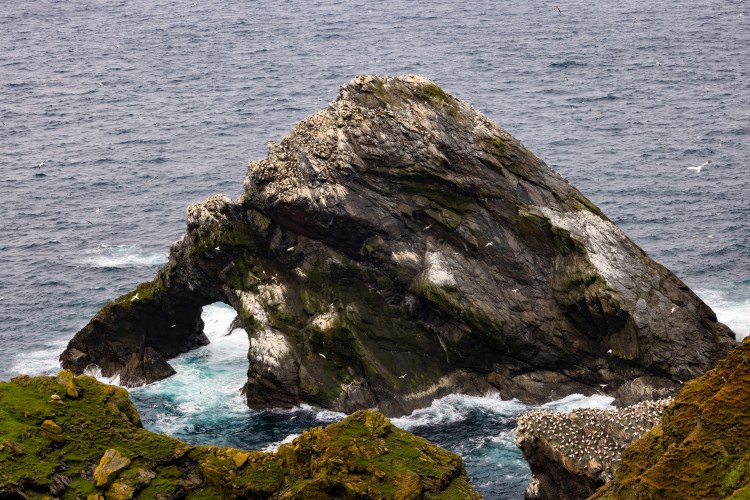
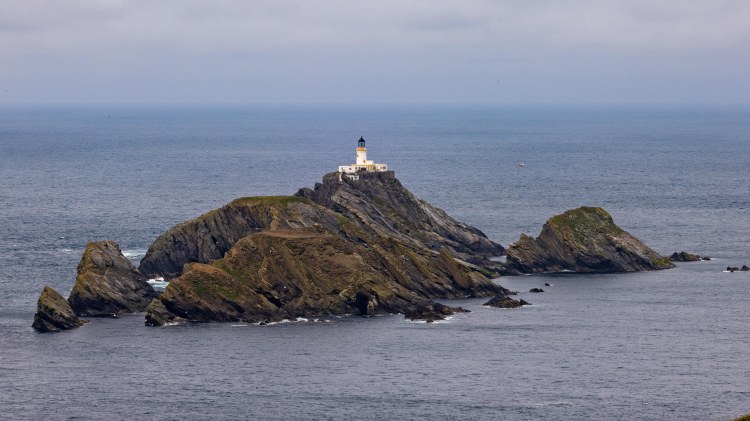
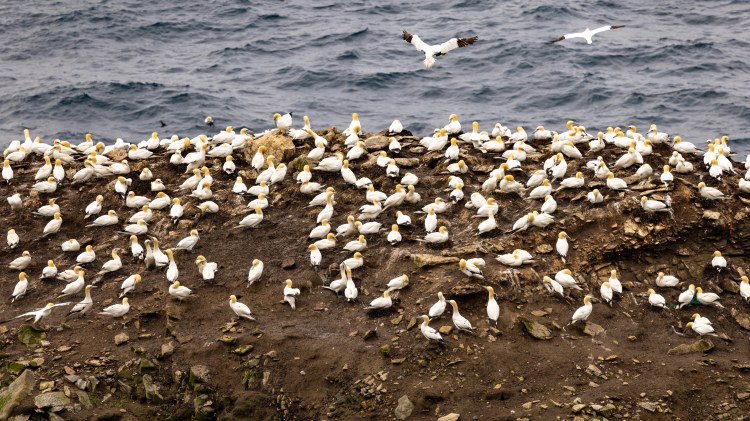
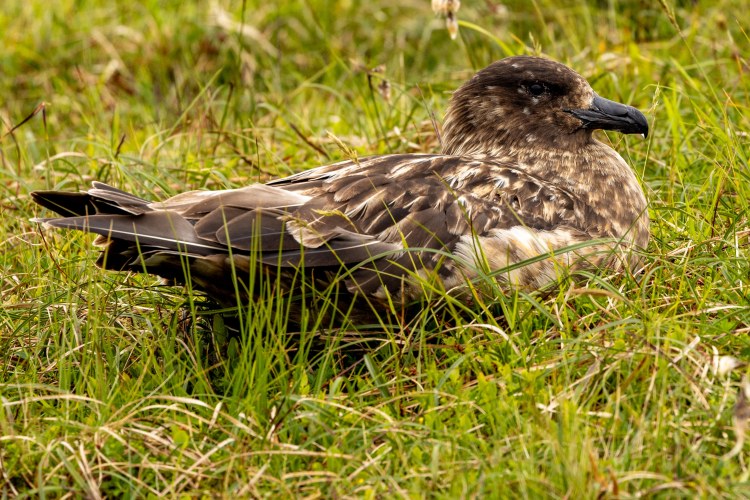
A few Ravens flew around us whilst we ate our lunch. We then returned back over the hill top. In previous years this would be covered with aggressive breeding Great Skua’s but there numbers were 90% down due to bird flu. We did come across about 20-30 but they weren’t too close nor too aggressive.
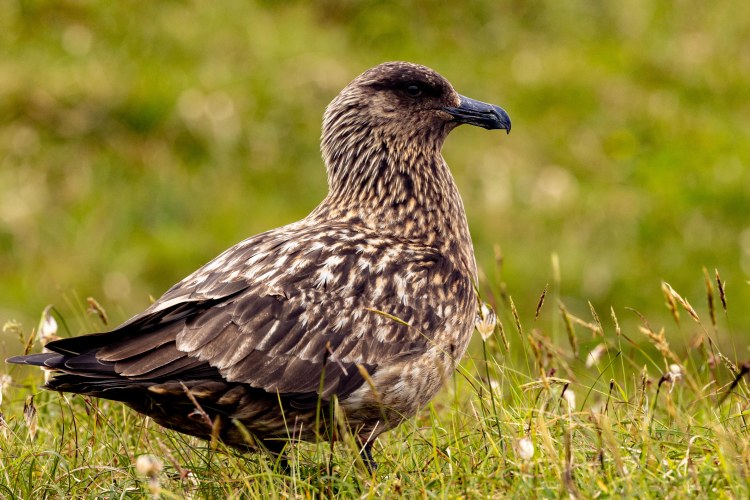
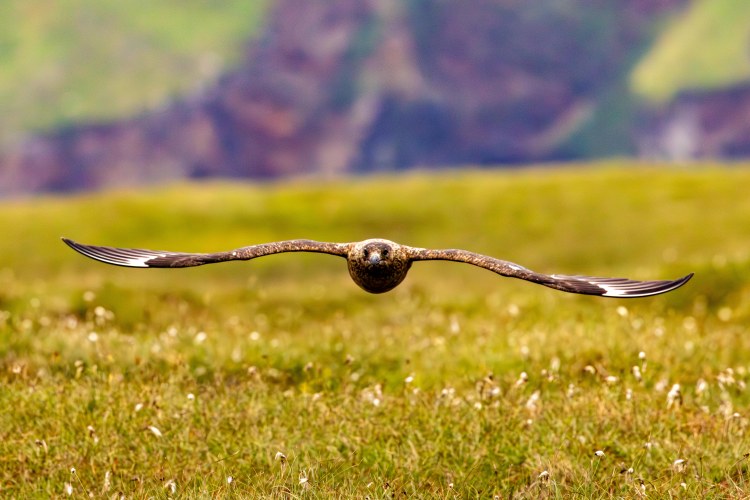
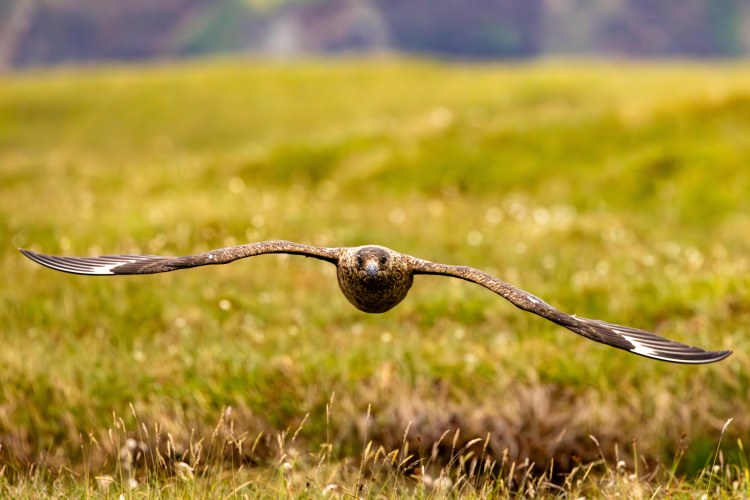
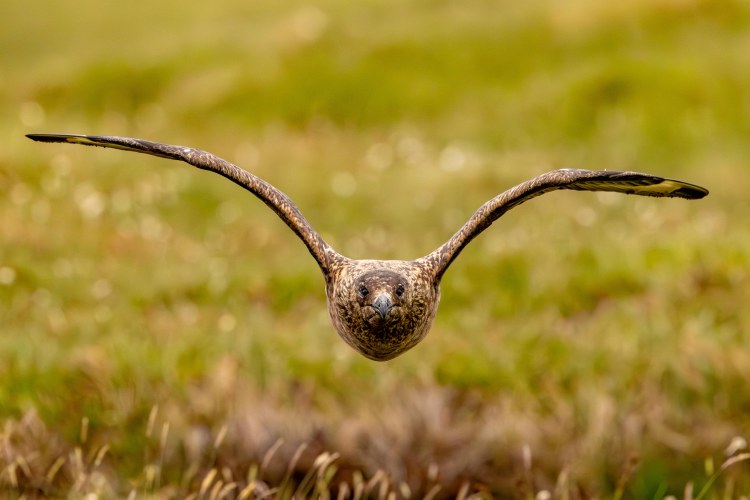
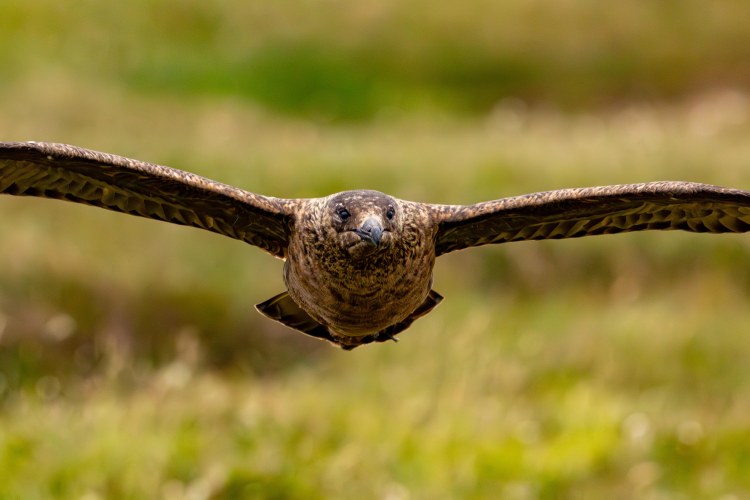
One did start a bombing run on me and I held my nerve to capture the following sequence of shots. It pulled away a couple of meters away from me but looking through my view finder I did worry it was going to take my head off.
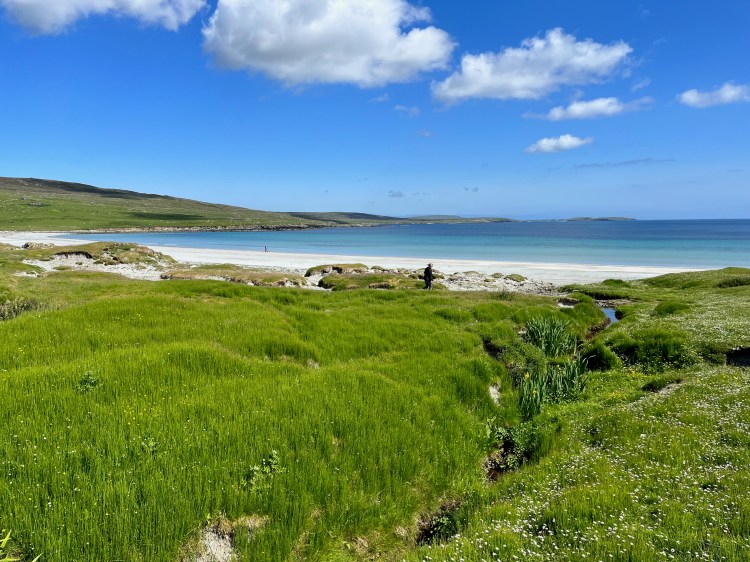
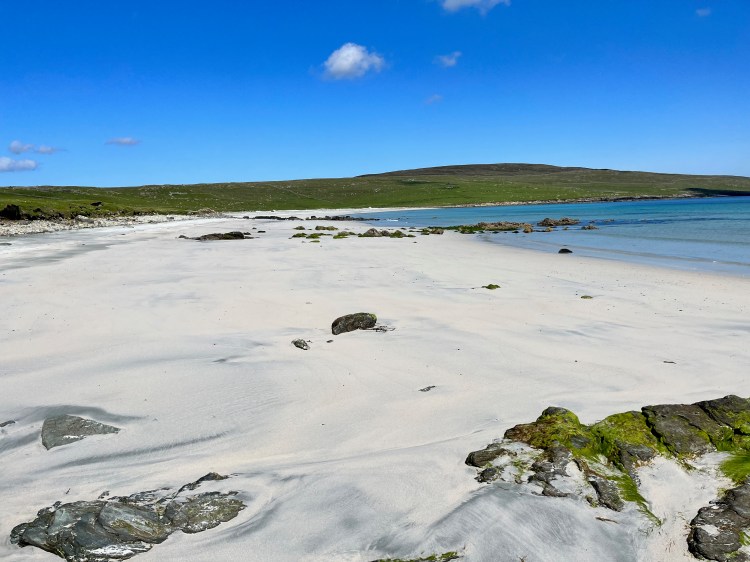
Early the next day we cycled out to Sand Wick and I took my camera just in case. This was another “quiet” beach.
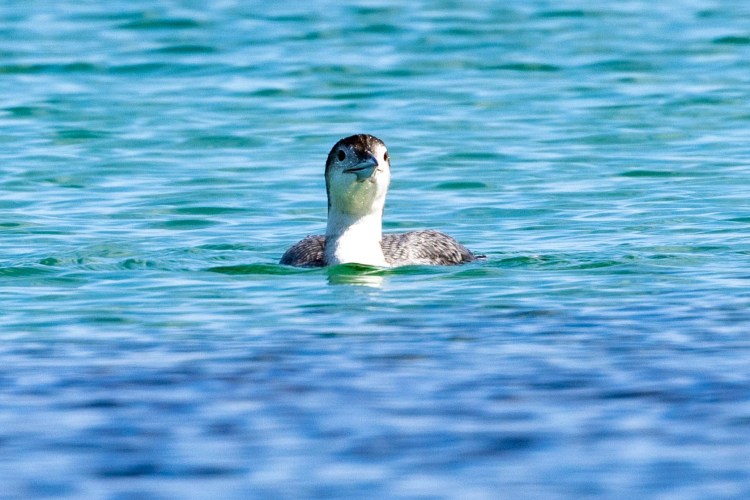
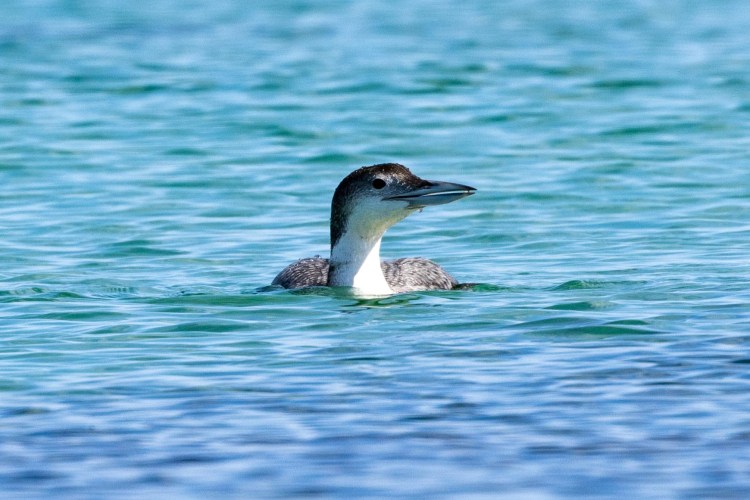
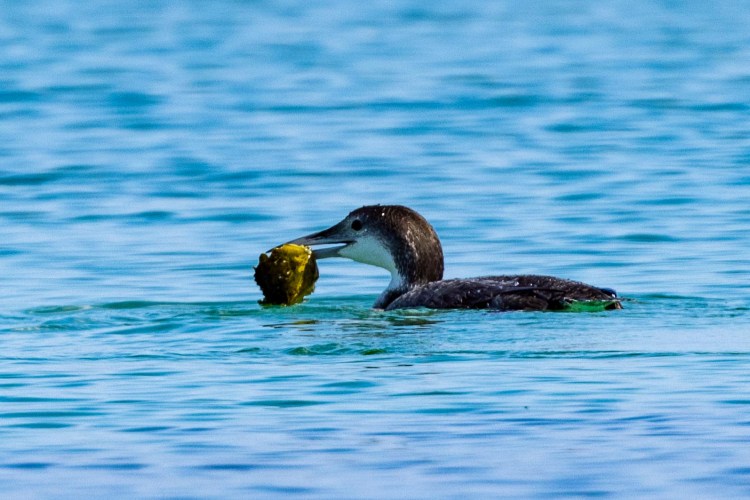
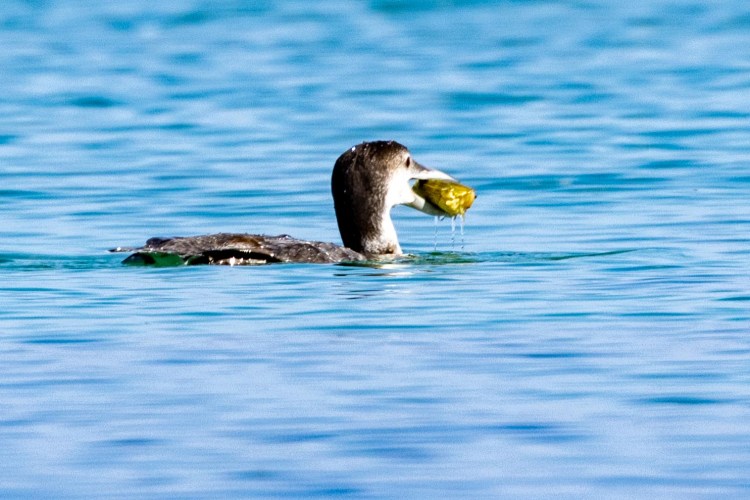
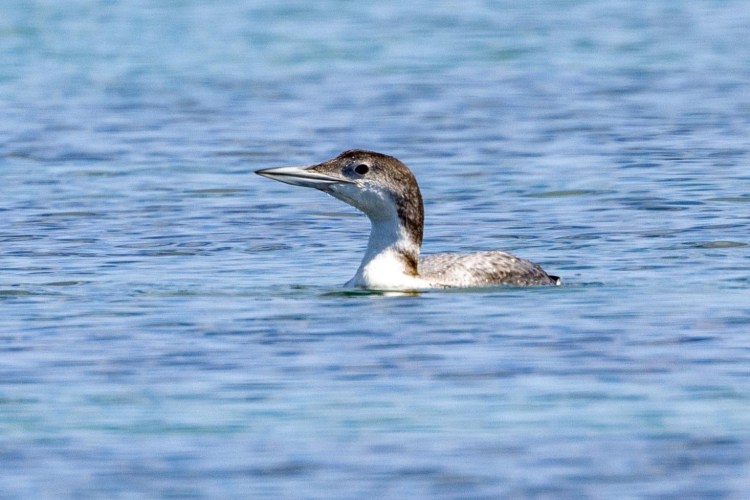
We sat down on the rocks and I was pleased to see a Great Northern Diver fishing not far away. I approached each time it was underwater which enabled me to get close and capture these shots. If anyone knows what it caught in shots 3-4 please leave a comment below and let me know.
We were getting used to seeing Arctic terns fishing all the time at the coast and here was just the same. They felt a bit closer here and the light was better so I fired off some shots.

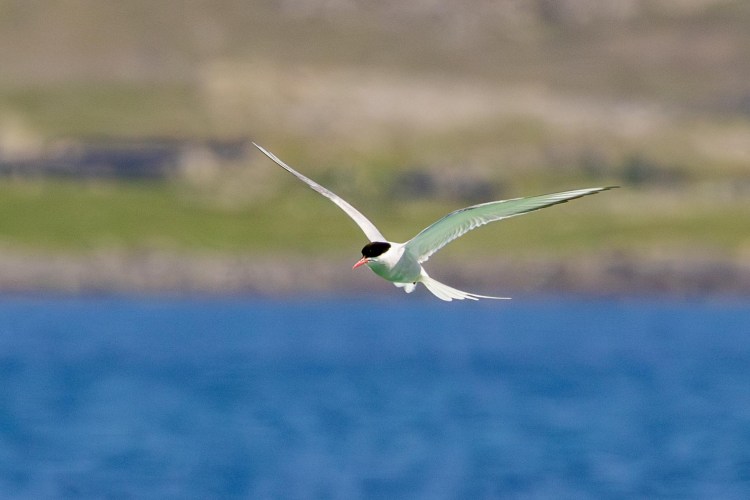
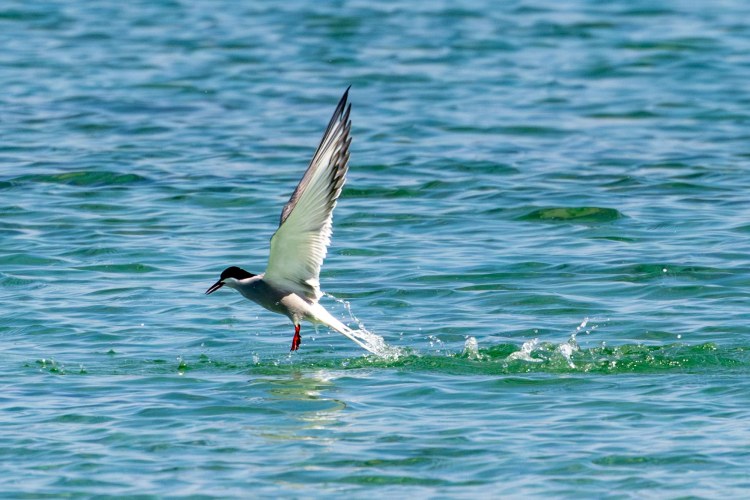
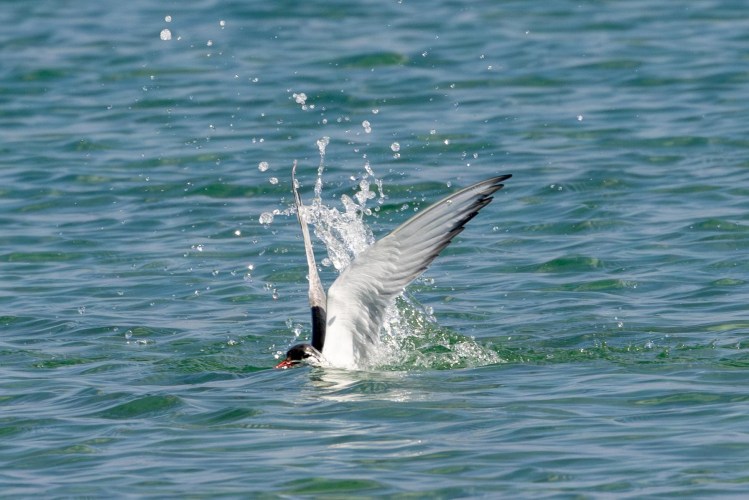
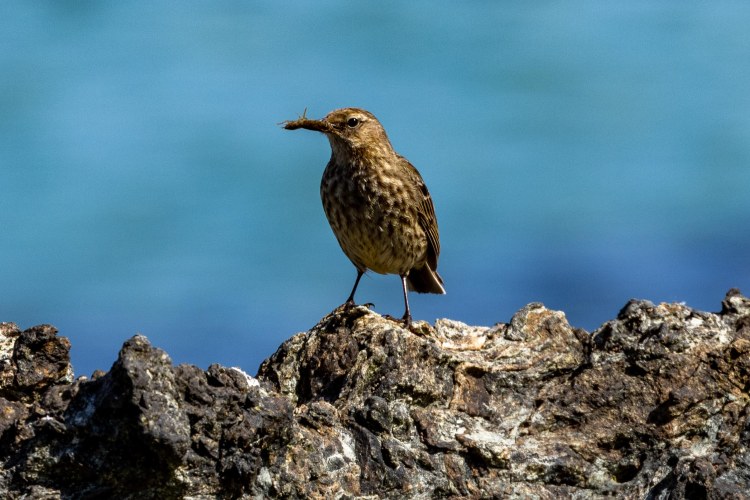
A few smaller birds caught my eye, a Rock Pipit living up to its name.
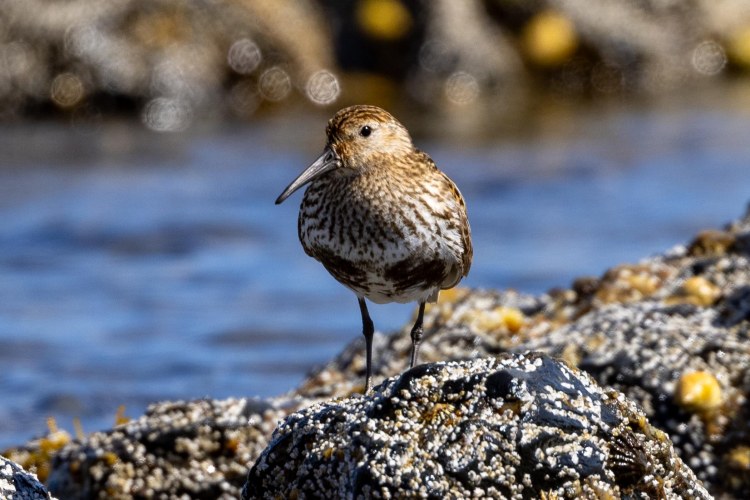
A few Dunlin feeding on the sand and among the rocks with their gorgeous dipped in ink look
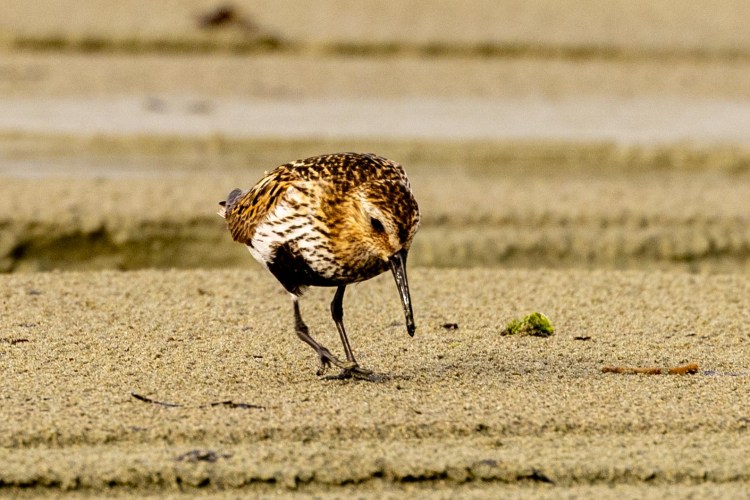
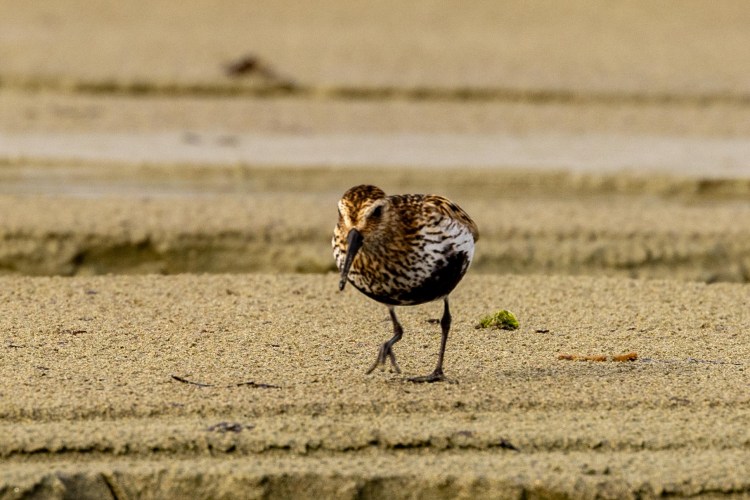
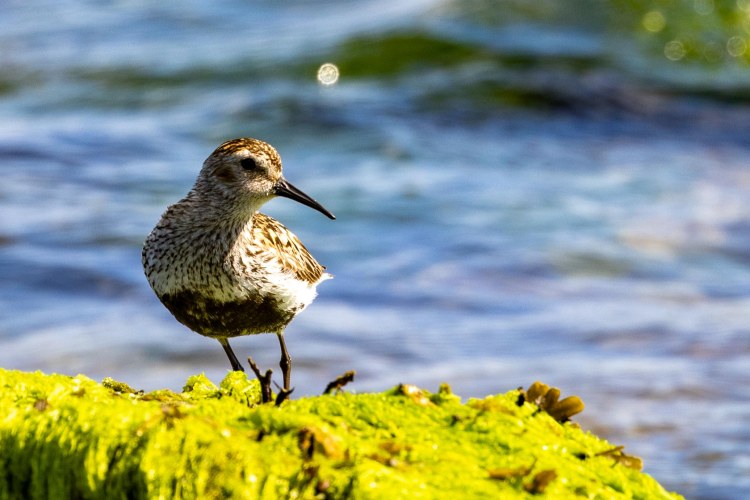
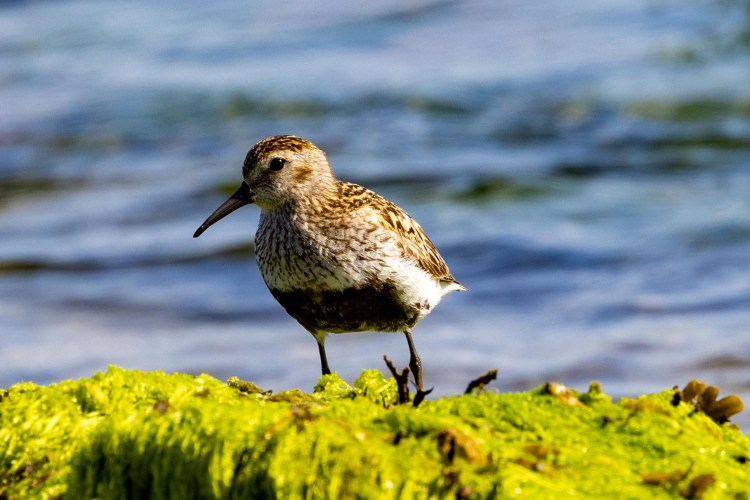
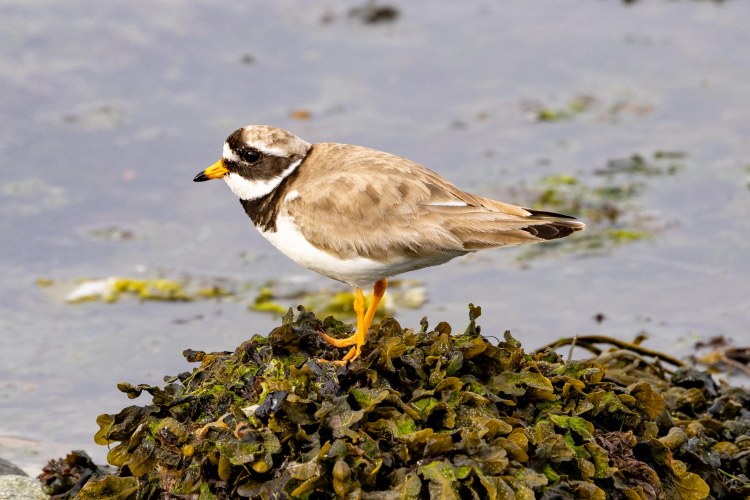
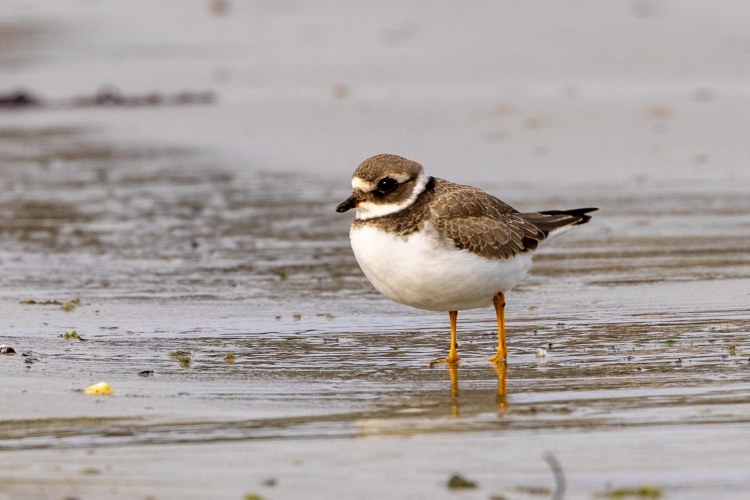
A Ringed Plover adult and juvenile, former frequently calling reassuringly to the later.
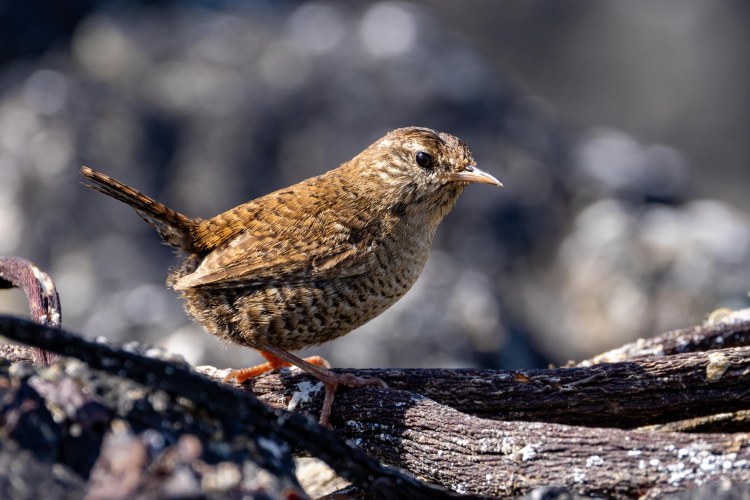
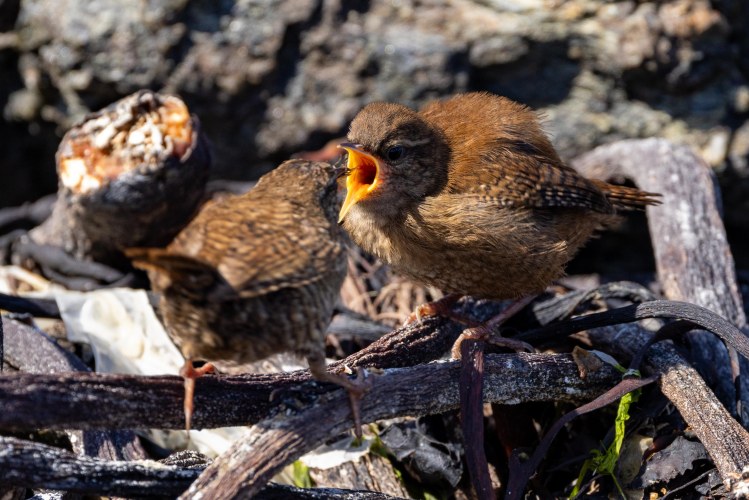
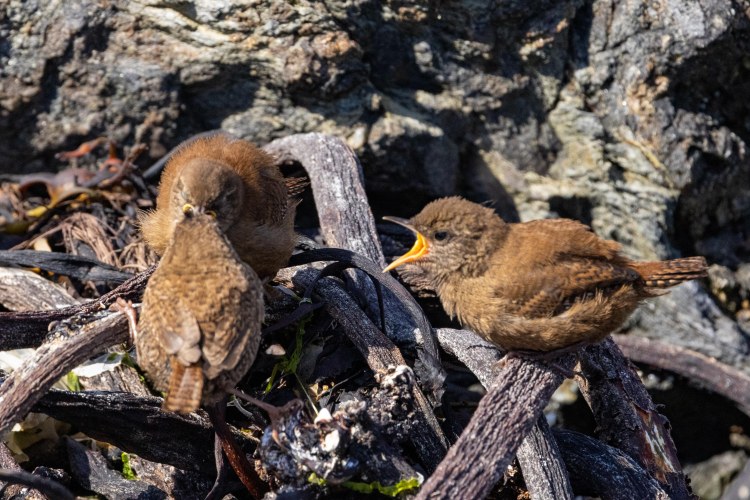
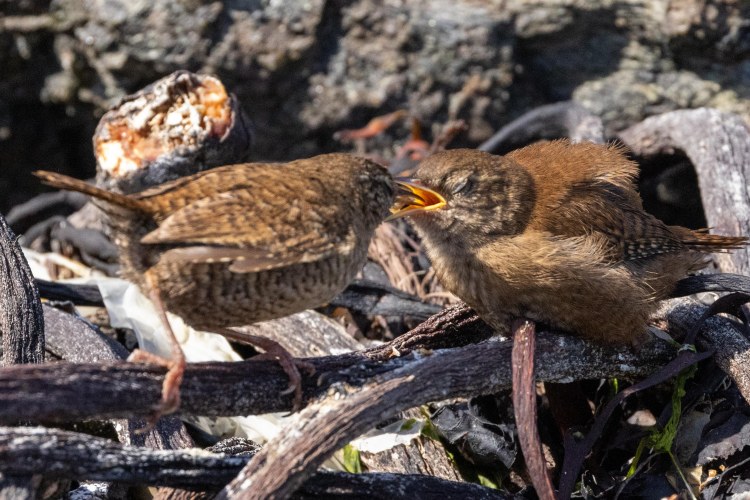
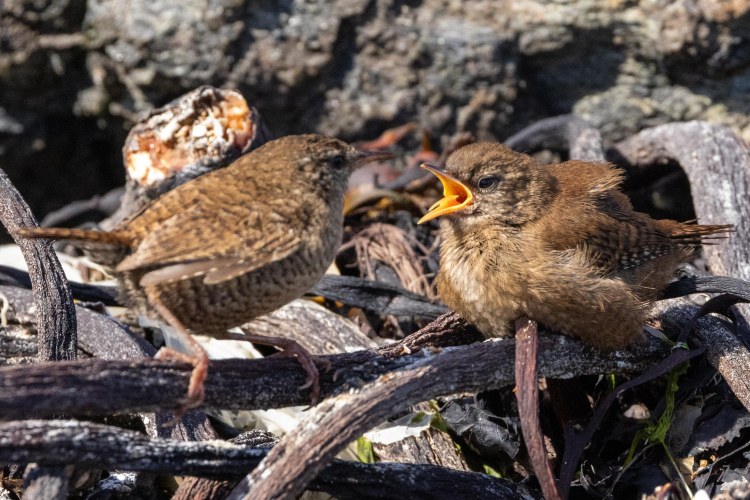
But, it was the family of Shetland Wrens that was my highlight of this beach. The Shetland Wren is a different sub-species (slightly darker and slightly longer bill if you want to know) to those found on the mainland and I had been wanting to photograph them since I arrived and this was my chance. A slightly harassed parent was feeding two demanding chicks.
Fetlar
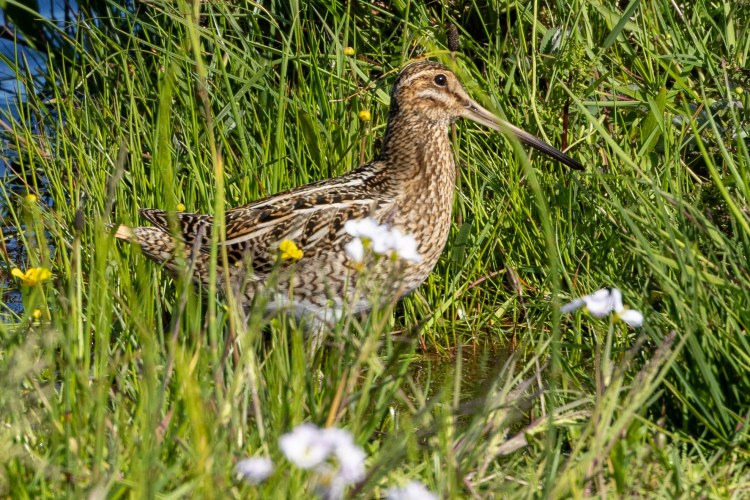
Next up we went to Feltar. The weather and especially the lighting was poor so I don’t have many photos. We did see loads of Red Throated Divers, some on nests which I didn’t photograph (as a Schedule 1 bird) and briefly two Red-Necked Phalaropes in flight. But I will end with this single photo of this Snipe that was close to the hide at Loch of Funzie.
I will be back with Part 2 of our Shetland Wildlife trip shortly.

 WildScot Photography
Some really interesting sightings. Lovely write up.
LikeLike
Hi Michael, pretty sure the GN diver is eating a crab, they are partial to them. You can see the eye in pic 3
LikeLike