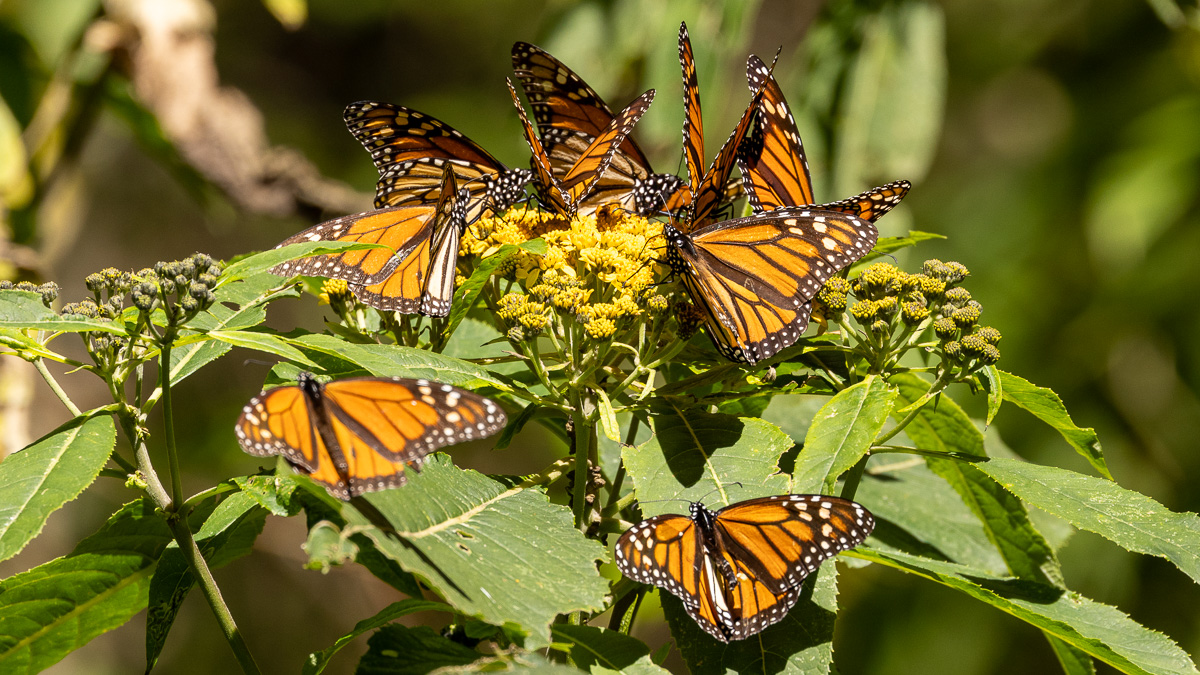
We have now started our trip through Central and South America and today was our first proper wildlife experience.
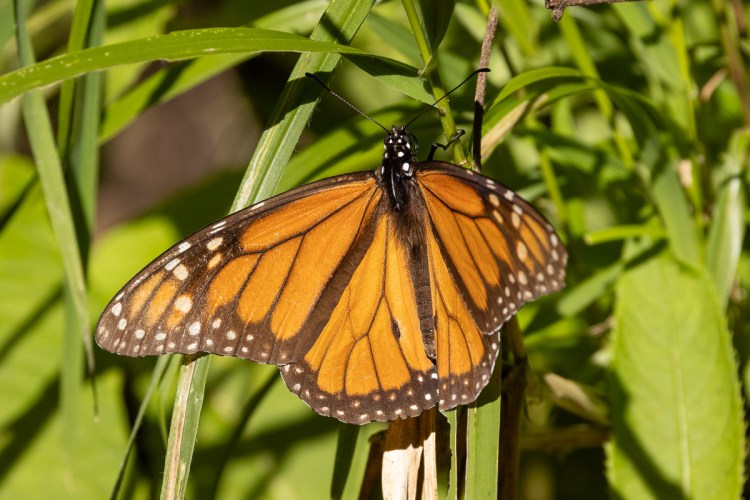
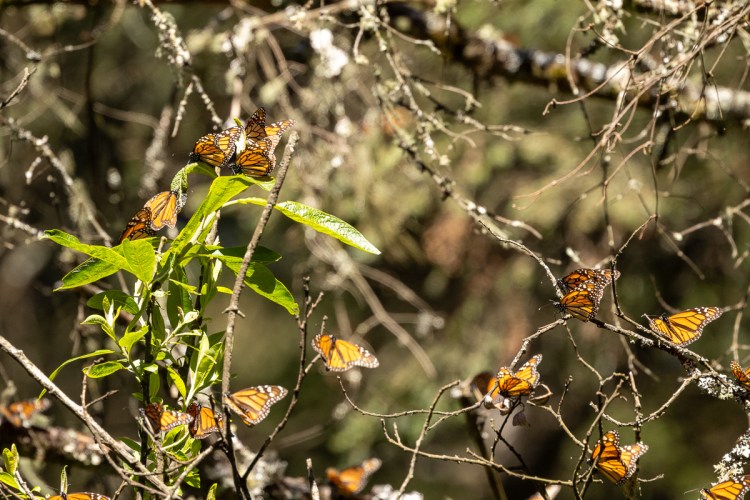
We visited the Santuario de la Mariposa Monarca Piedra Herrada about 30 minute drive outside of Valle de Bravo. Monarch Butterflies are quite remarkable in that they migrate – into the USA and Canada during the summer (about 4,000km travelling 120km a day at 40kph). Then for the winter they return to the high pine forests in one part of Central Mexico, which now is protected as the UNESCO Monarch Butterfly Biosphere Reserve.
Now when I say they migrate, this is a bit misleading, it take 4-5 generations to complete the journey one way and the same to return. How they navigate is a complete mystery but a wonderful one at that.
We had the option to walk or take a horse for the 2km, 400m ascent trek. We chose to walk which was a small challenge as we were still adjusting to this altitude.
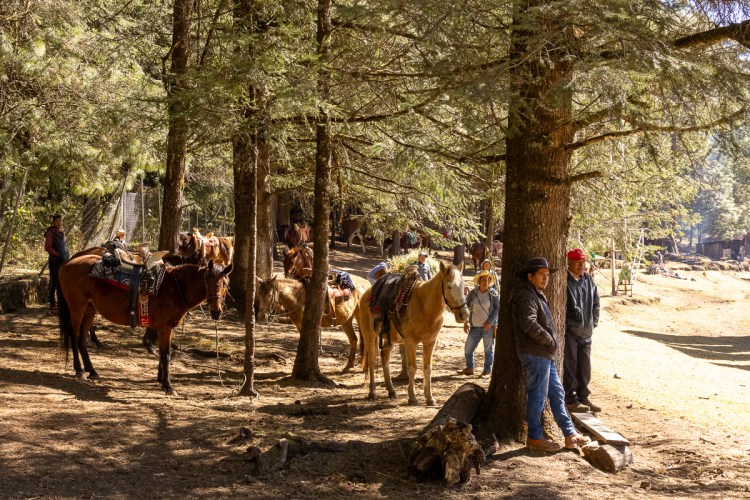
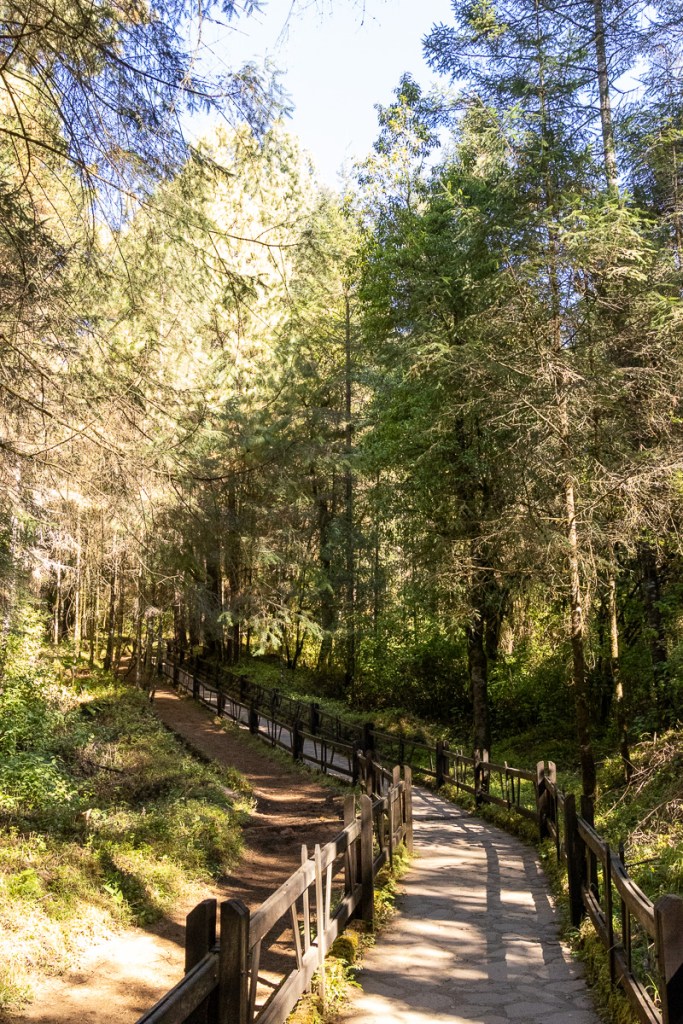
For most of the walk there was an excellent path and we made good progress. We were with a Mexican family and they made quite a bit of noise so we didn’t see many birds on the walk. One vulture (probably American Black) soaring overhead.
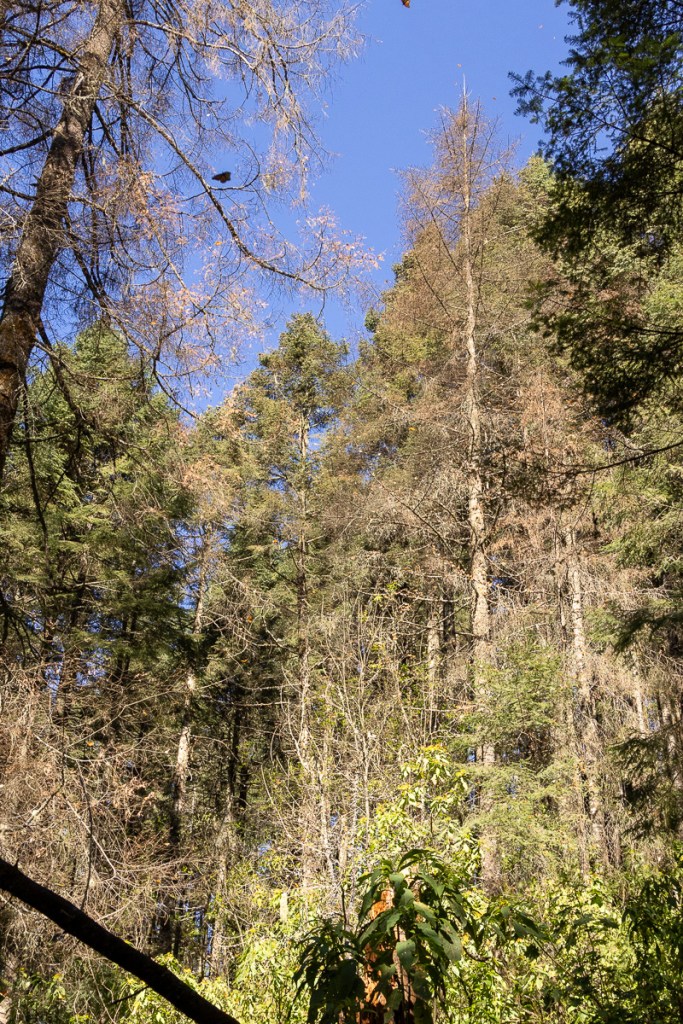
After about an hour we came across the roost of Monarchs. It was a warm sunny day and they were already flying as well as settling on all the bushes and ground around us. A lovely magical experience. Lots of photos below. If ever you are in Mexico in winter, highly recommend a trip to see the Mariposa Monarca.
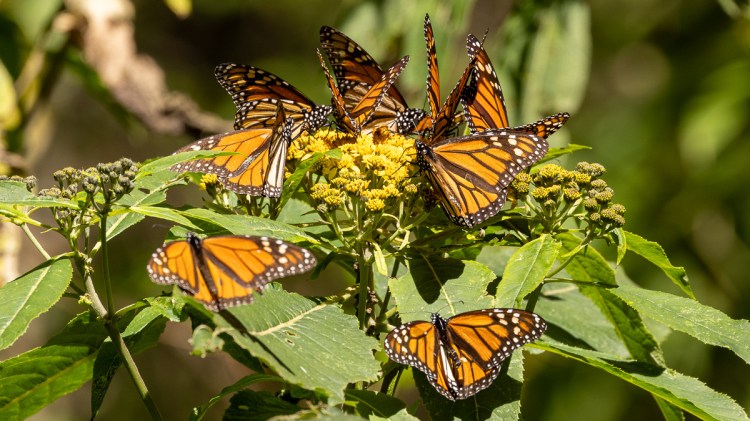
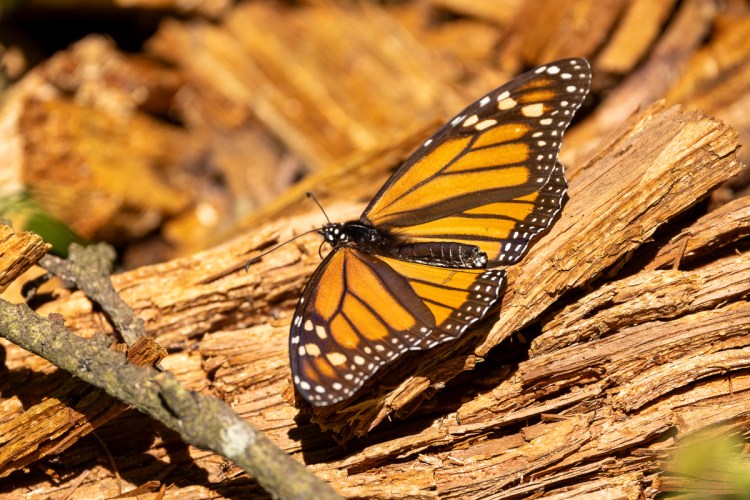
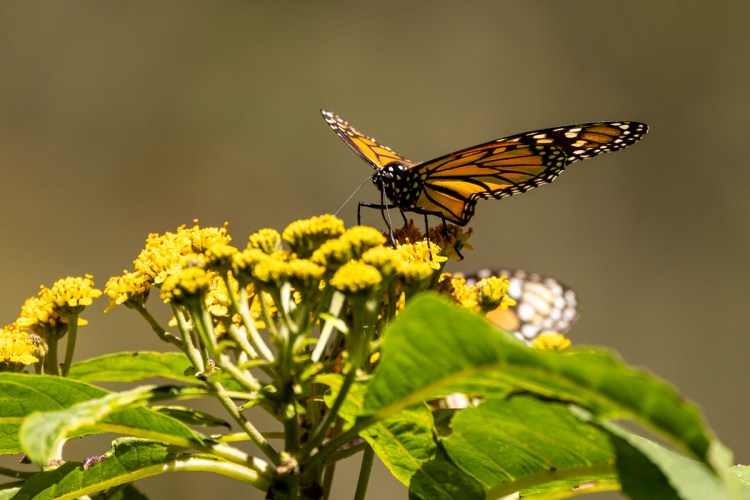
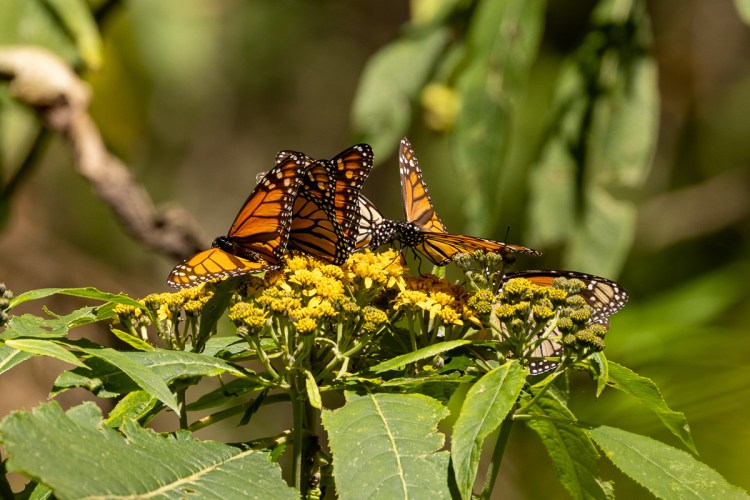
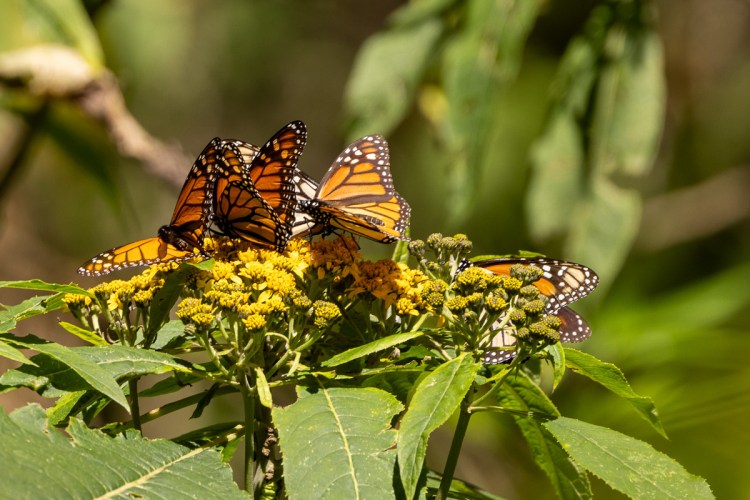
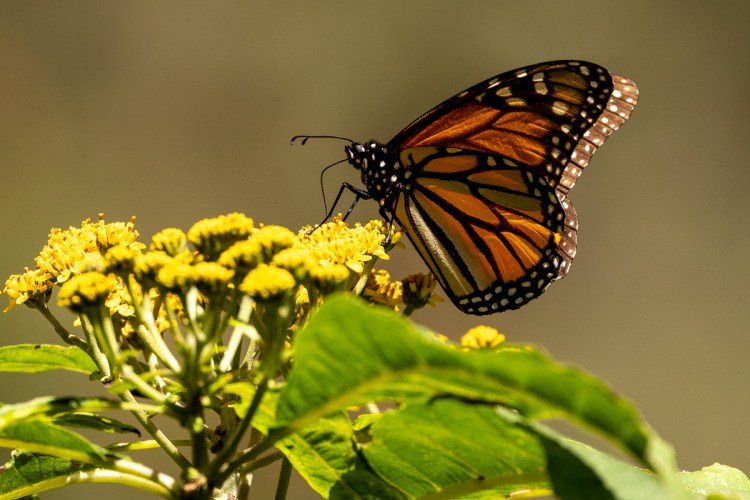
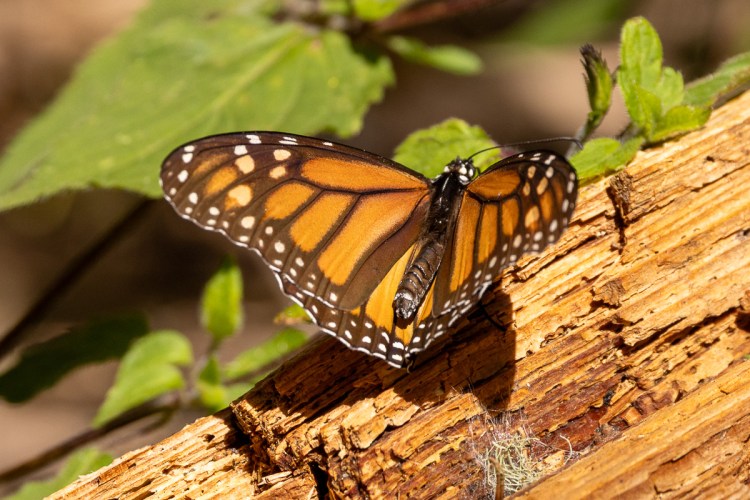
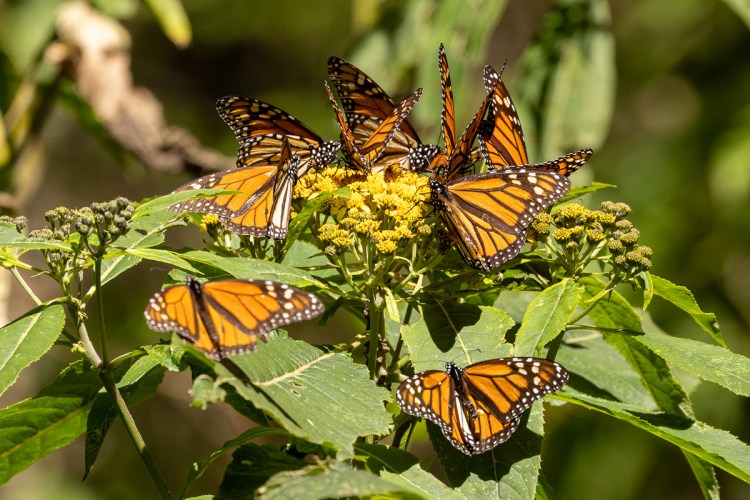
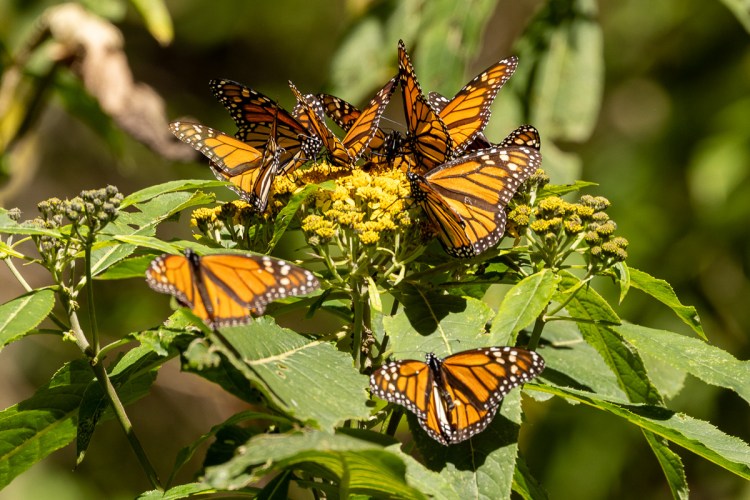
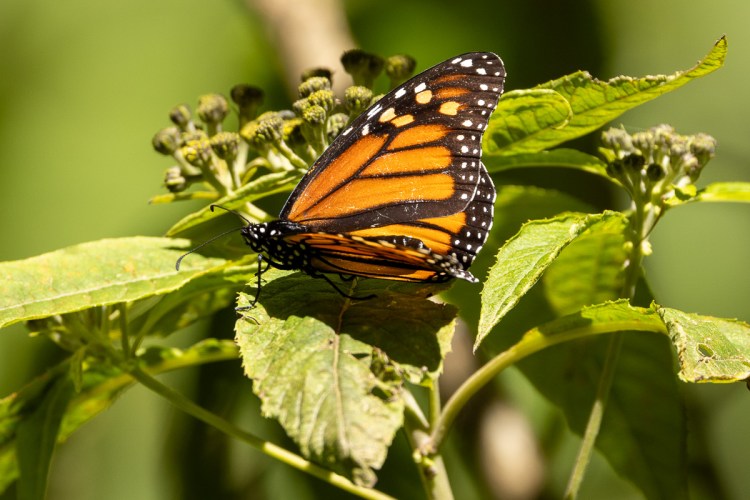
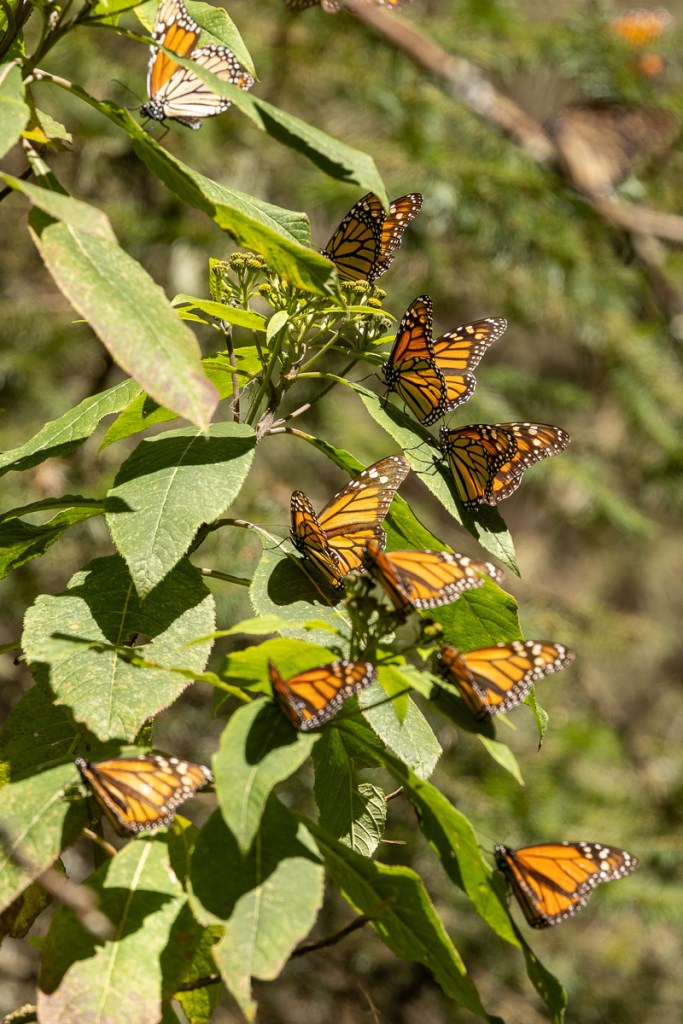
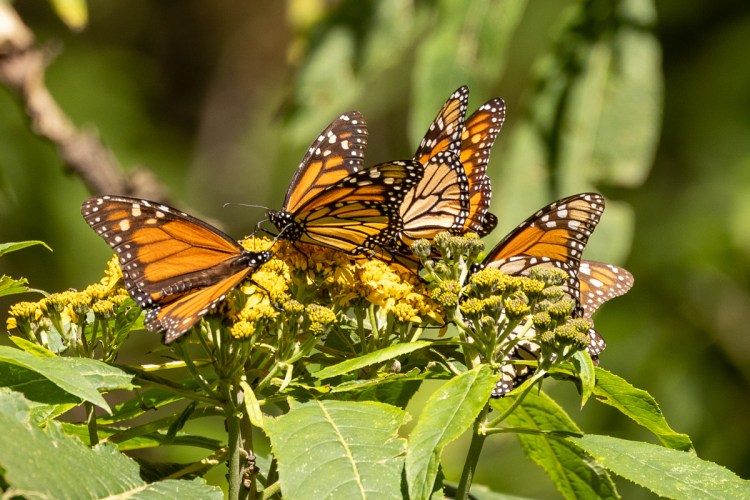
 WildScot Photography
Fascinating! I didn’t appreciate that the Monarch migration was multi generational! How is the altitude adjustment manifesting for you? For me it was a persistent dry cough. My travelling friend was terribly ill
LikeLike
Yes they really are amazing. Not too bad for the altitude, out of breath climbing obviously and ever so often a slight headache
LikeLike
They are trying to list Monarchs as endangered, but there is a lot of pushback, mostly from the agricultural sector. We’ve seen a 90% decline here. Once so common, they are a rare sight now. The scary thing is that one bad winter there (because the population is so concentrated) could wipe them out. Did you see any replanting of the forest there? They are down 2/3rds from the original, I’ve read.
LikeLike
There were certainly less here than there used to be. We didn’t see any evidence of tree planting but still seemed a lot of forest.
LikeLiked by 1 person
Amazing photos – I had no idea it was a 4-5 generation migration! That’s mind blowing!
LikeLike