I have just come back from a weekend birding with two friends, one of several years, Rick, and one brand new from the weekend, Andy. Both are very experienced birders so I was hoping to see some great birds with them and hopefully improve my skills.
Our first destination was Ross Sands where we were hoping to see the American Pipit (previously American Buff-Bellied Pipit) which has been a long-stayer over the last few weeks. It was a long walk out to where it had previously been seen (just over the water from the southern tip of Holy Isle. But the spectacular open scenery – big beach, big sky – made it more than worthwhile. Sometimes the value of birdwatching is an excuse to explore great habitat and enjoy a good walk. This was such a time.
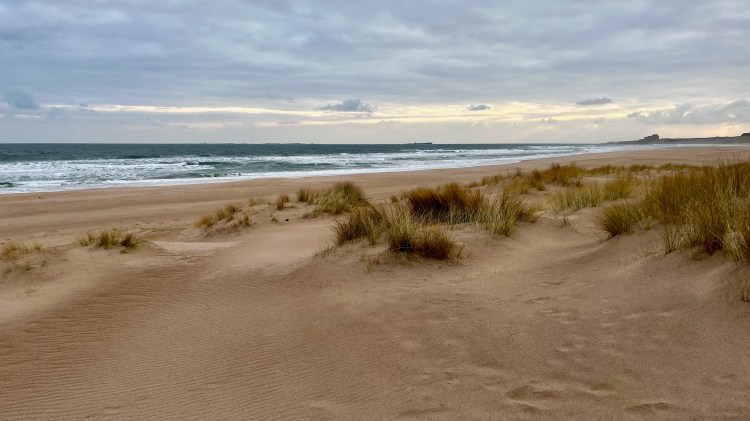
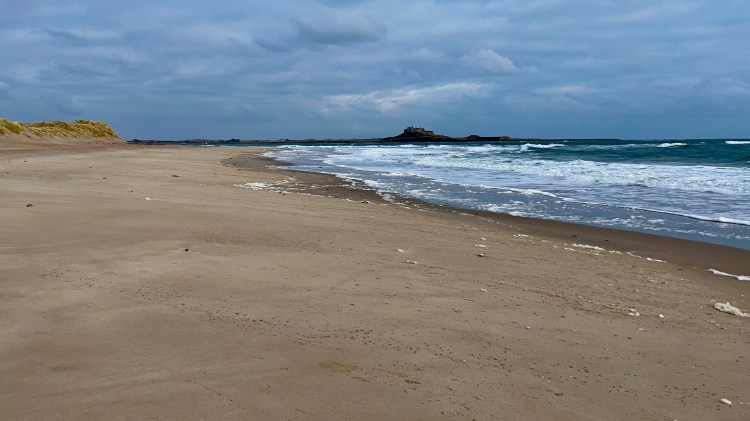
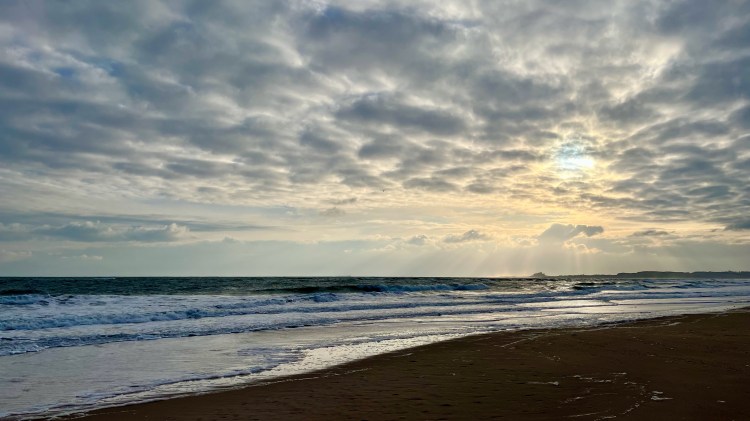
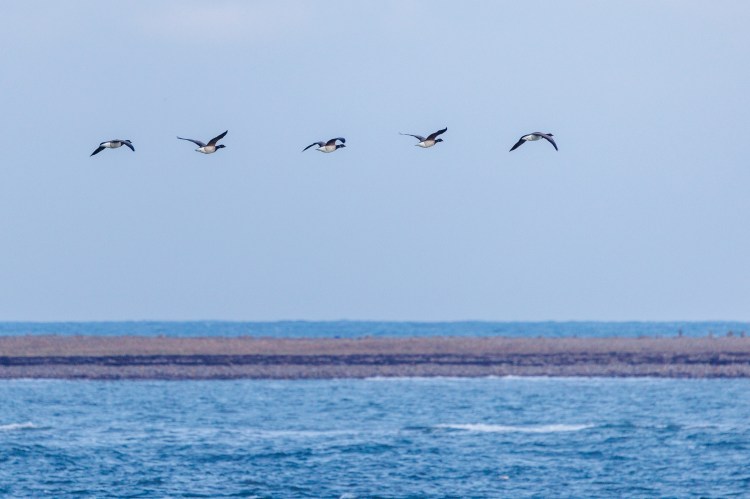
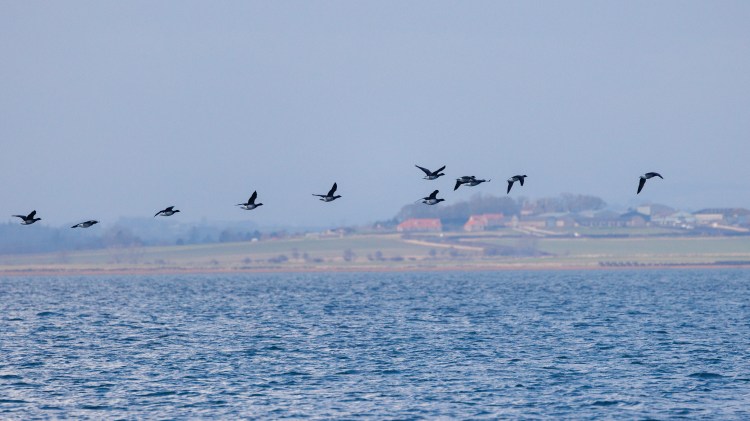
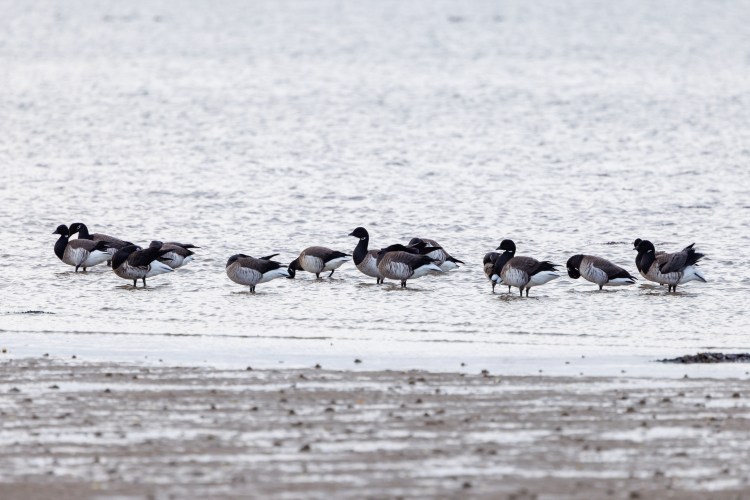
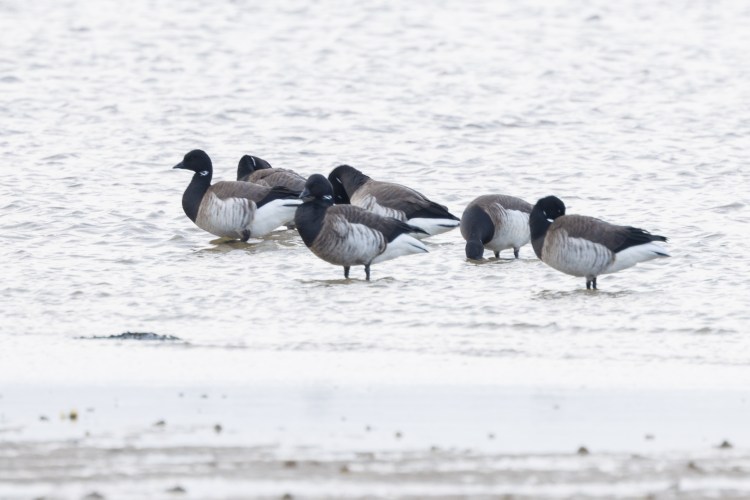
As we walked up the beach several skeins of Pale-Bellied Brent Geese flew south as we headed north. At times they came in tight lines, at others in more open formations. They seemed to fly very close to the waves on occasions with the surf reflecting off their pale bellies setting the birds off nicely. A couple of Barnacle Geese flew past too.
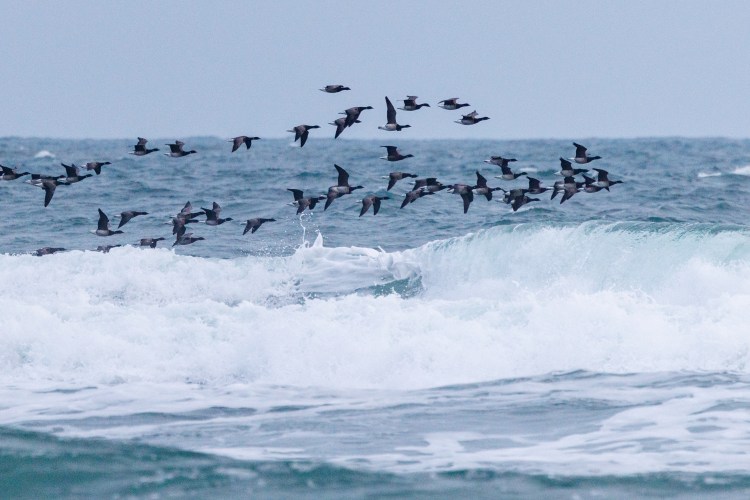
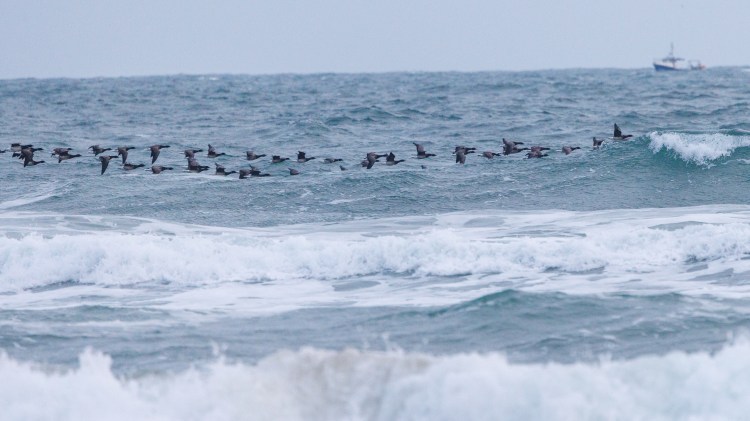
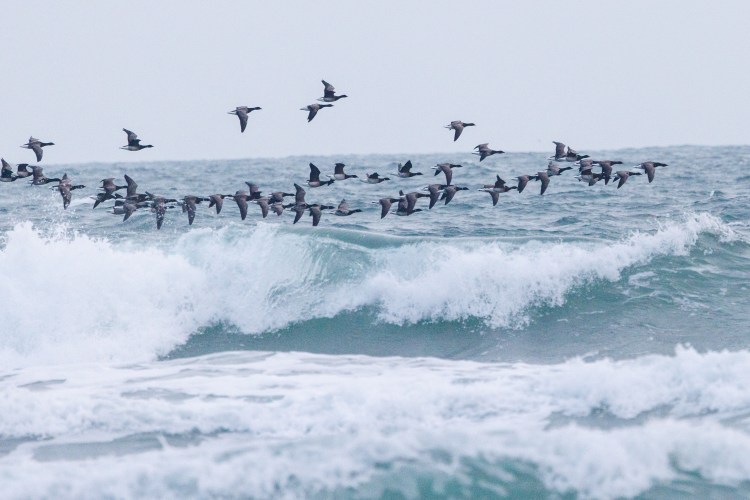
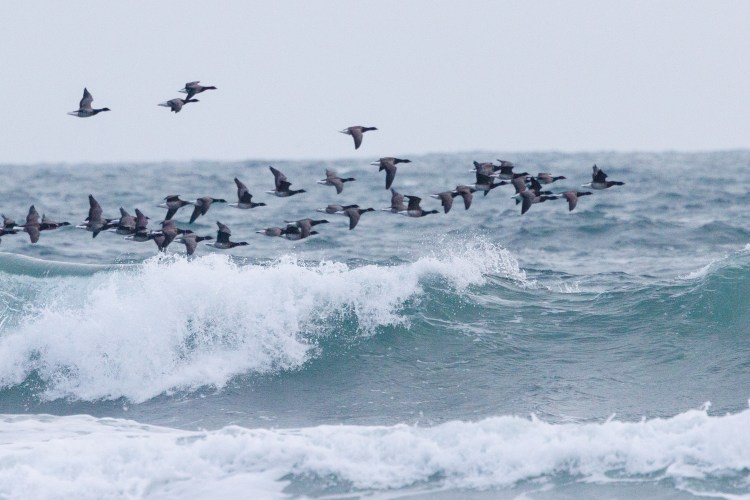
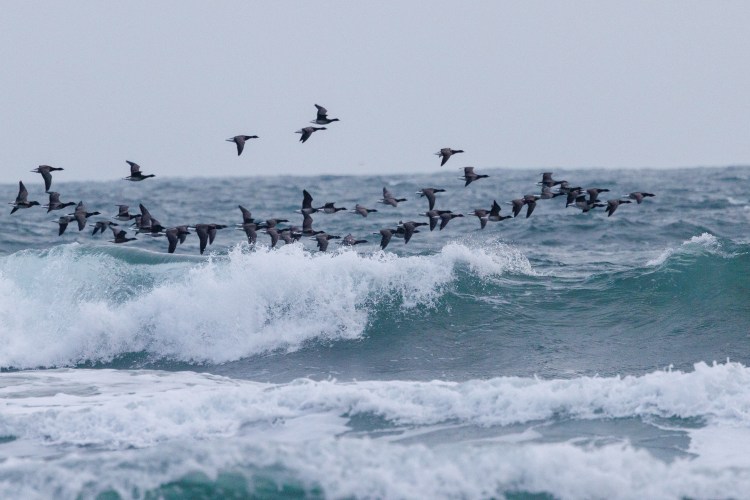
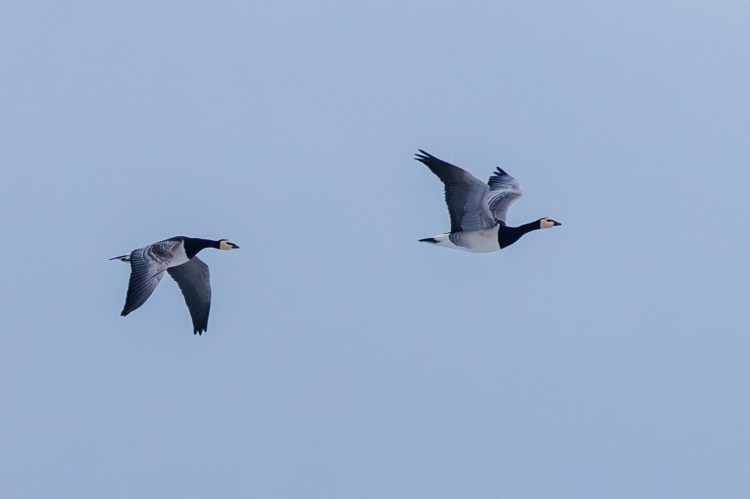
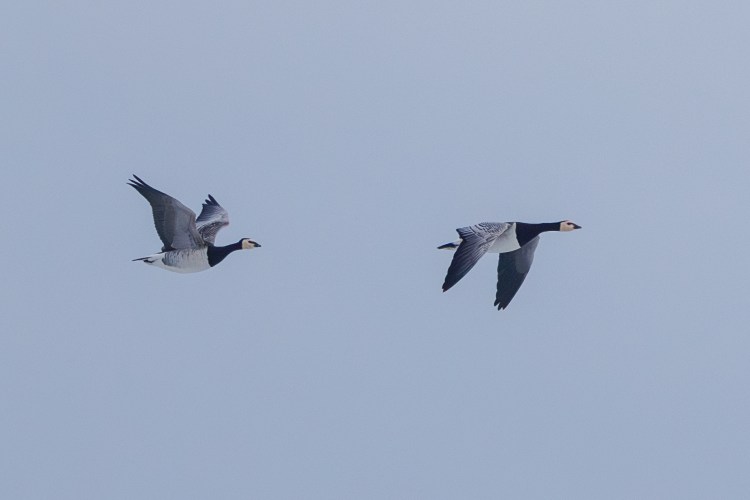
We reached the northern point and looked across at Lindisfarne hearing and seeing many Common Seals hauled out on the rocks in the channel. It was interesting to see a couple of Navigational Beacons close up which I have only ever seen many times from Lindisfarne looking to the mainland. Interesting to see a place I know well but from a completely different angle.
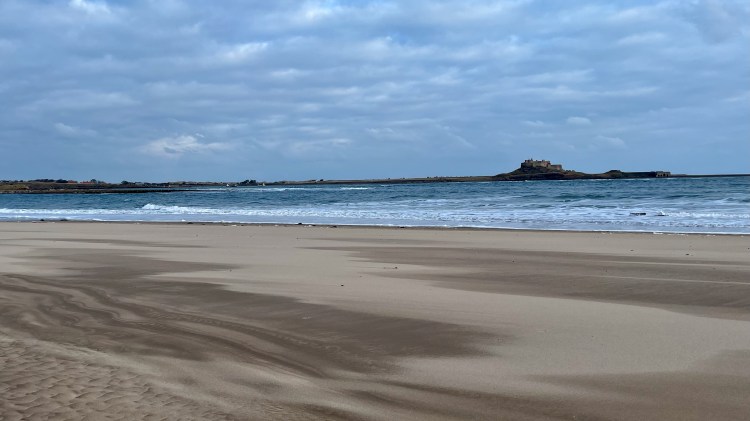
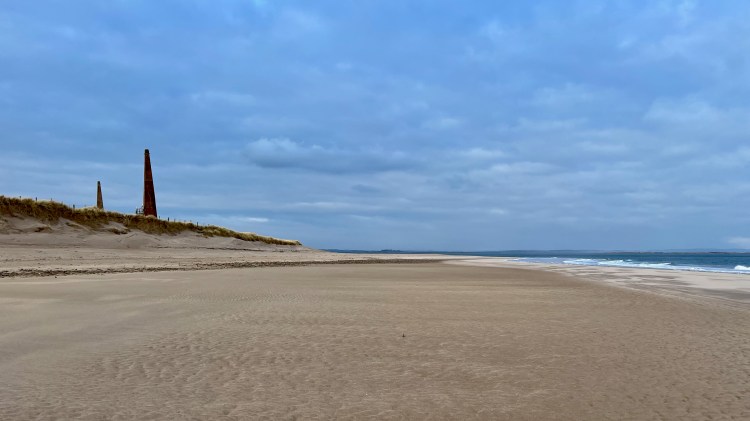
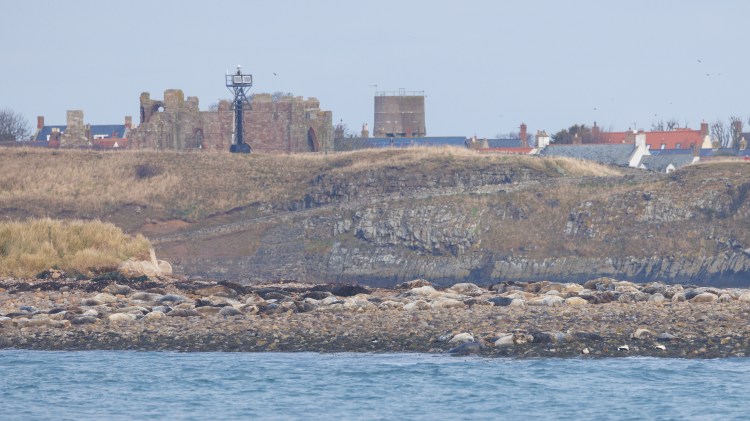
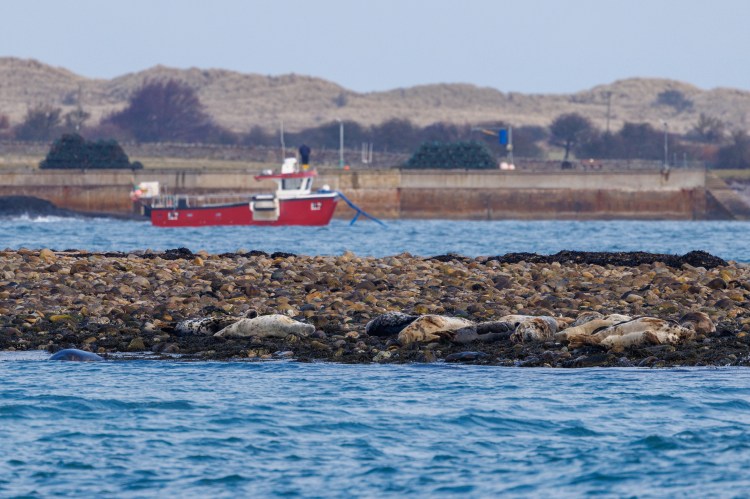
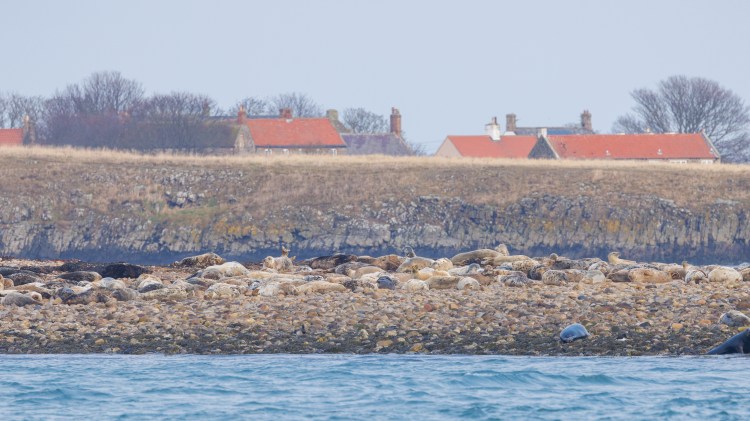
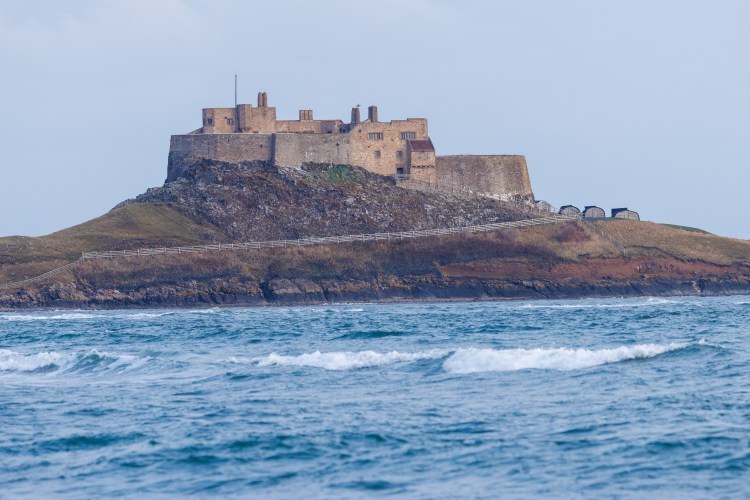
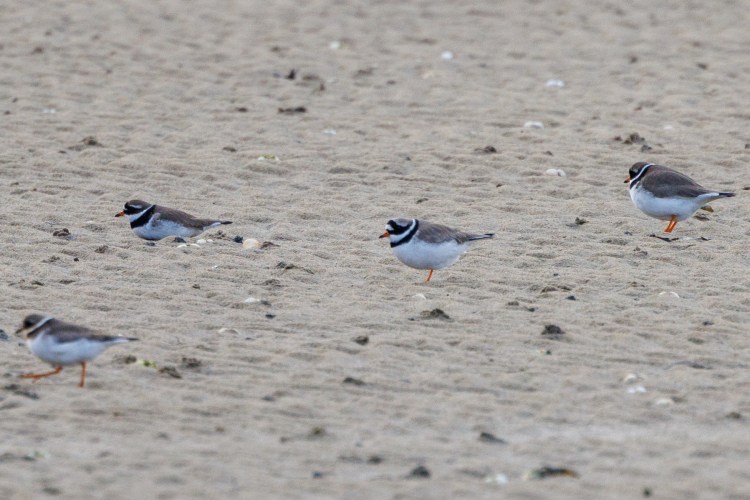
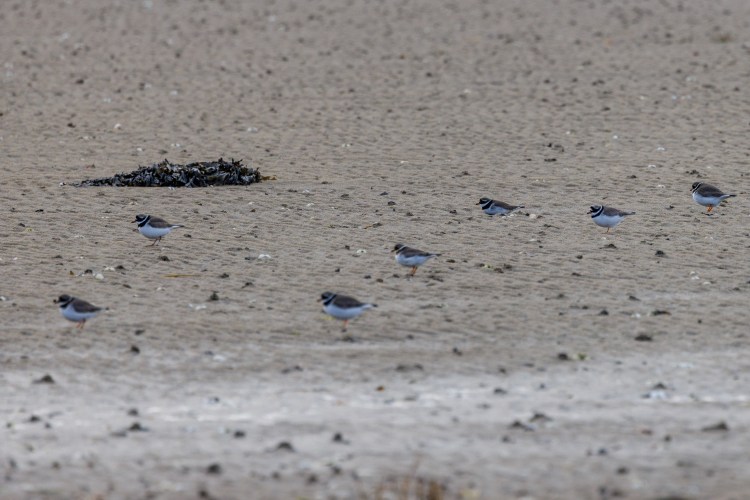
As we rounded the headland we were hopeful of seeing the pipit as we were now sheltered from the wind and this is where it had been seen the day before. Alas the pipit was nowhere to be seen and another four birders were out patrolling the beach with us making seven in total. Our hopes were high and we spent at least 90 minutes searching up and down but to no avail. The occasional Stonechat provided some interest flicking its tail from nearby fence posts. Around the salt marsh a lot of waders and geese were present and I drifted off to photograph these more closely. Oystercatcher, Grey Plover (very high numbers), Ringed Plover, Lapwing, Curlew, Bar-Tailed Godwit, Redshank, Turnstone, Knot, Sanderling, Dunlin were all present offering good ID opportunities.
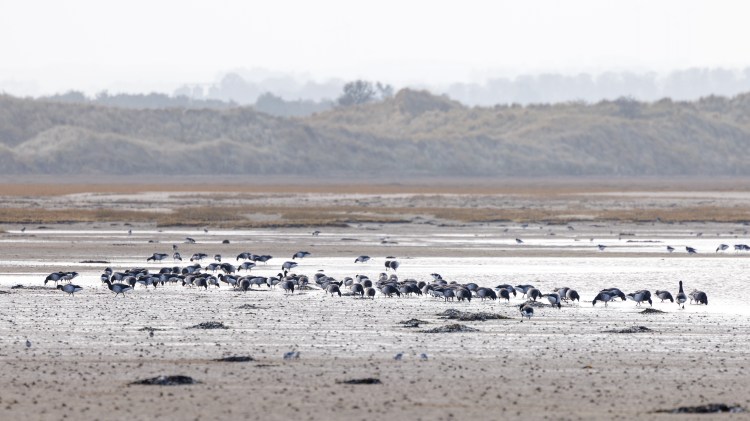
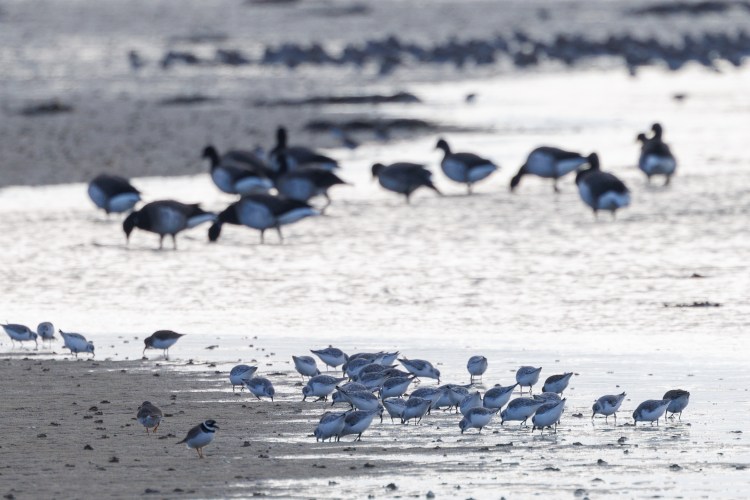
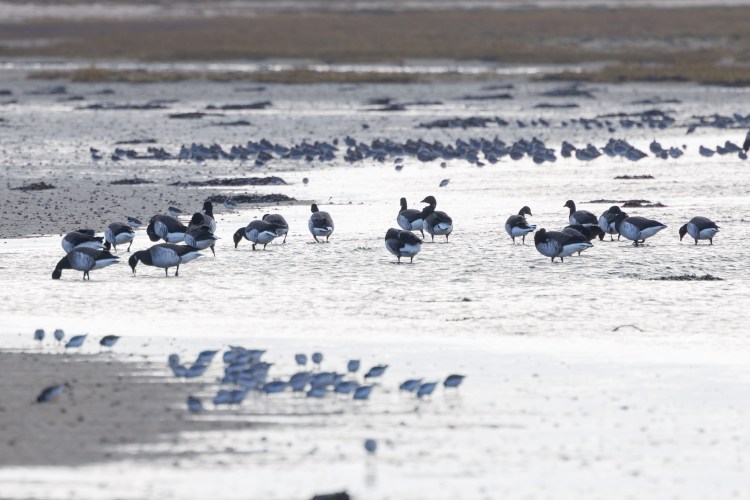
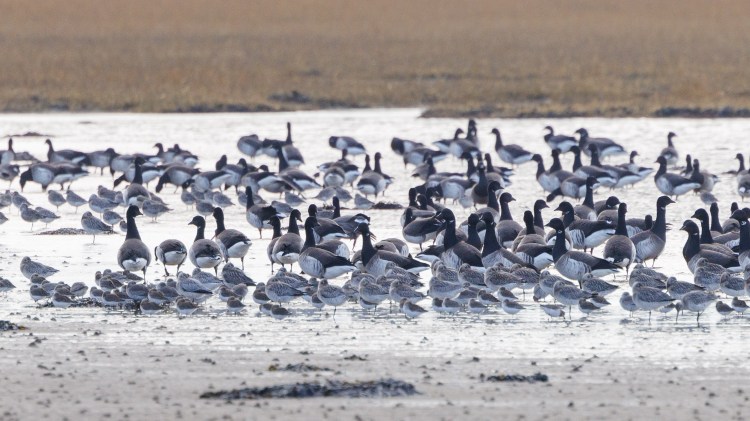
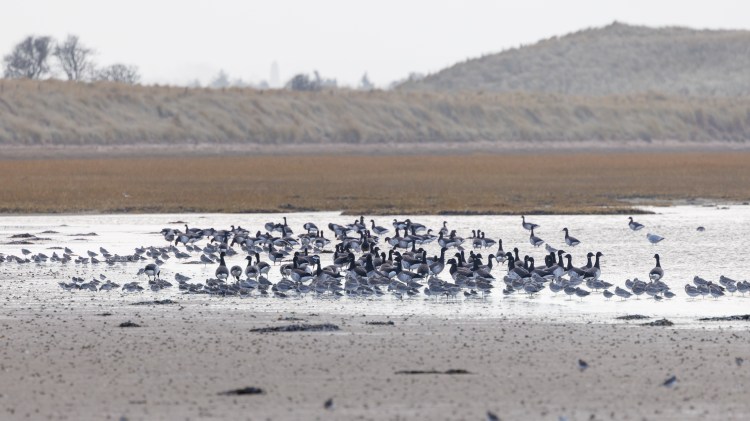
As the tide was coming in the Geese kept taking off in small groups and leaving. At one point something seemed to put the waders up and they flew around in one large mixed flock. We looked for a falcon but could find none.
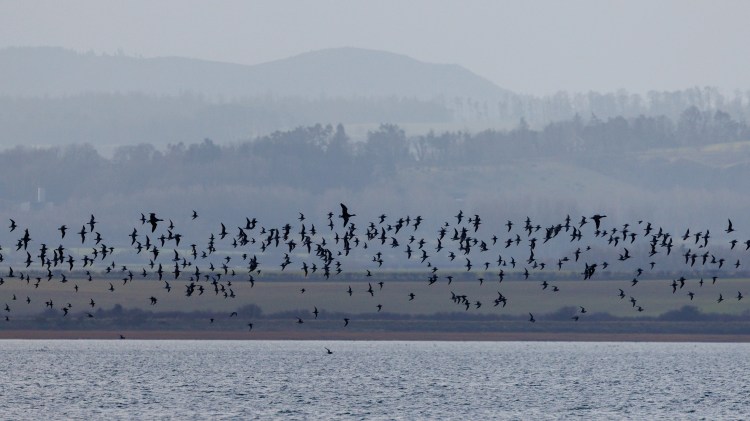
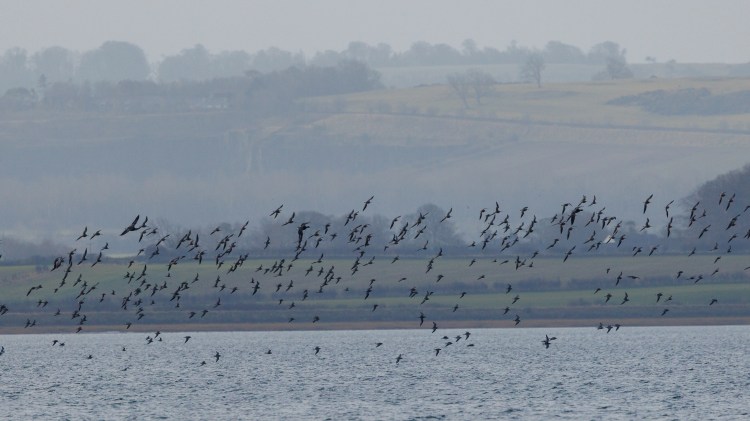
The Ringed Plovers, Sanderling and Turnstone all provided interesting photo opportunities whilst Andy and Rick continued searching for the pipit along the seaweed lines.
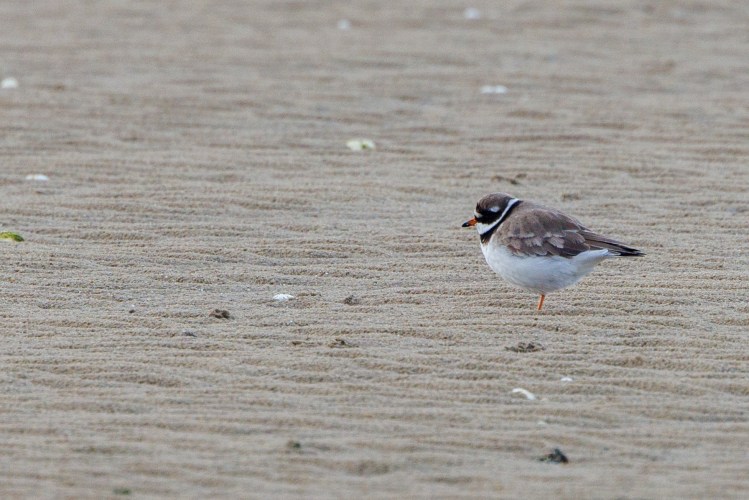
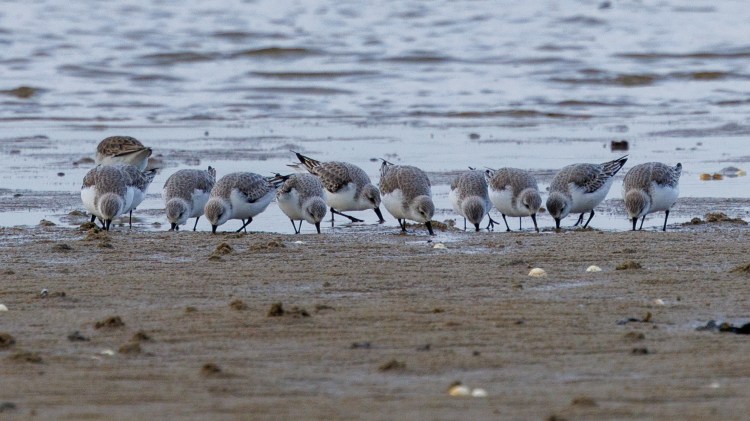
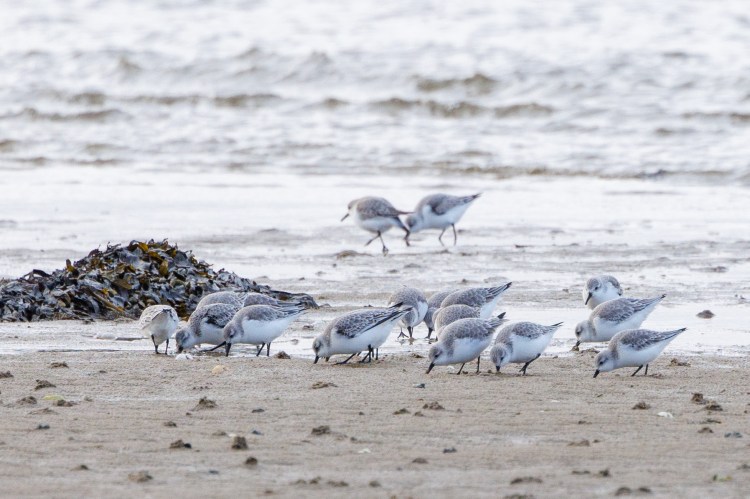
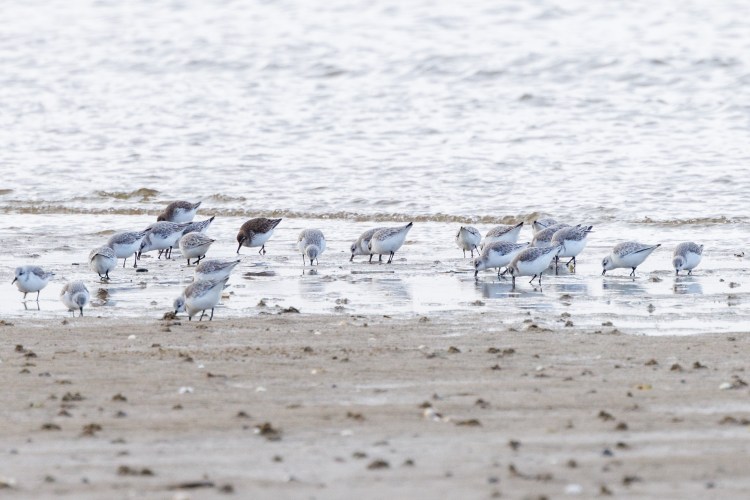
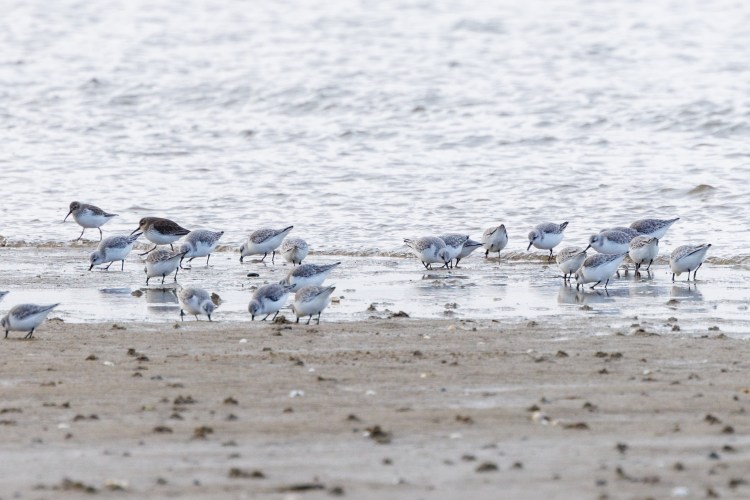
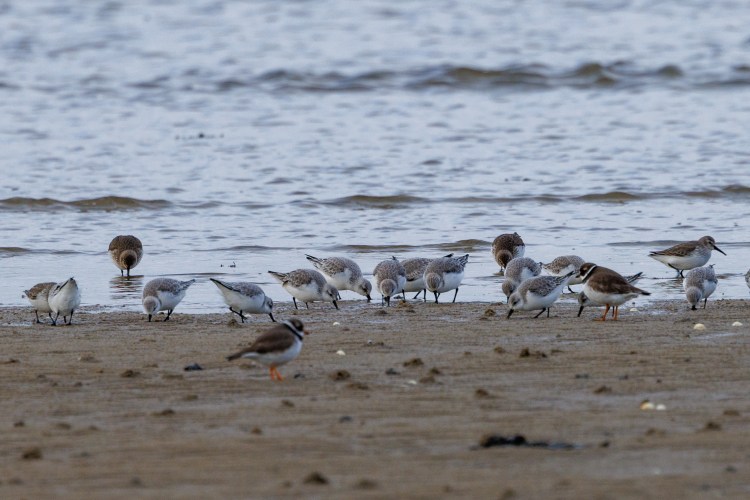
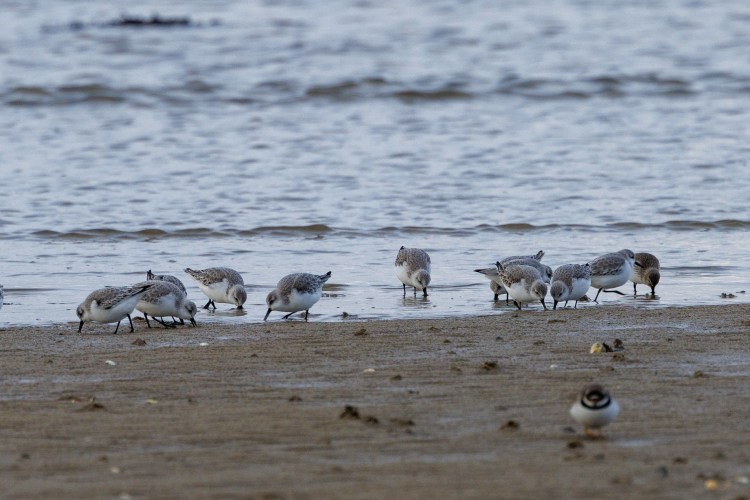
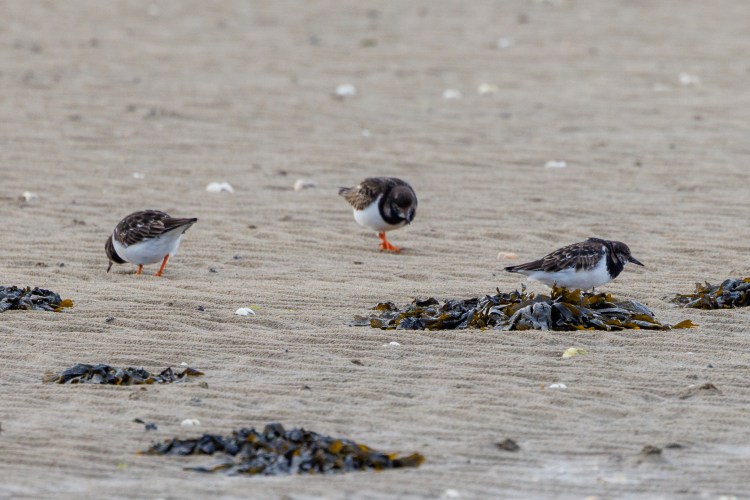
We headed south to the Salt Marsh and continued looking for the American Pipit. At one point I found a Pipit in a channel on the edge of the salt marsh and we were excited we were all excited we might have found our target. It took off and flew very high before landing a few hundred yards away. We pursued it hoping to secure a better sighting. It took off again and then another and another and another… Alas Rock Pipits. The American Pipit will have to wait for another day to be added to my UK list – I hope it managed to overcome the disappointment!
A rain shower came in and we headed back to the car adding Meadow Pipit, Linnets and Skylarks to the weekend list on the way.
After a dry out and refuel in a coffee shop we had distant views of Purple Sandpiper at Stag Rocks. Birdguides pinged reporting a Tundra Bean Goose further south so we headed south for 40 minutes and fairly quickly located two separate flocks of Pink Footed Geese to look through. The second flock was very hard to get near due to the lay out of the land and we kept driving five sides of a square to try and get a good view. Eventually we found a location where we couldn’t see them but could hear them so we walked up a farm track and found the flock. Rick spotted the Tundra amongst the Pinkies with scope only views (too distant for a photo) but a lovely addition to the year list nonetheless.
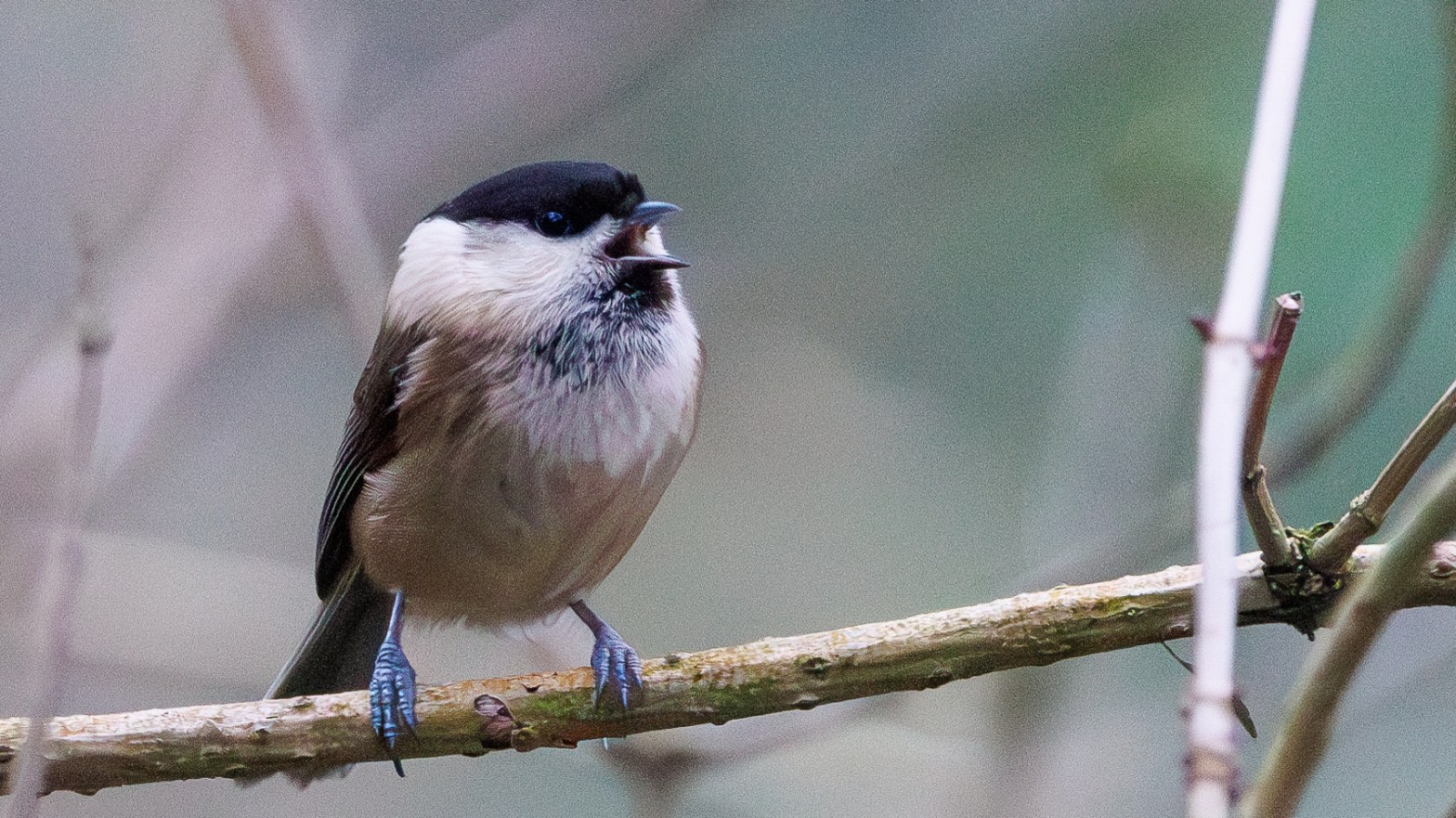
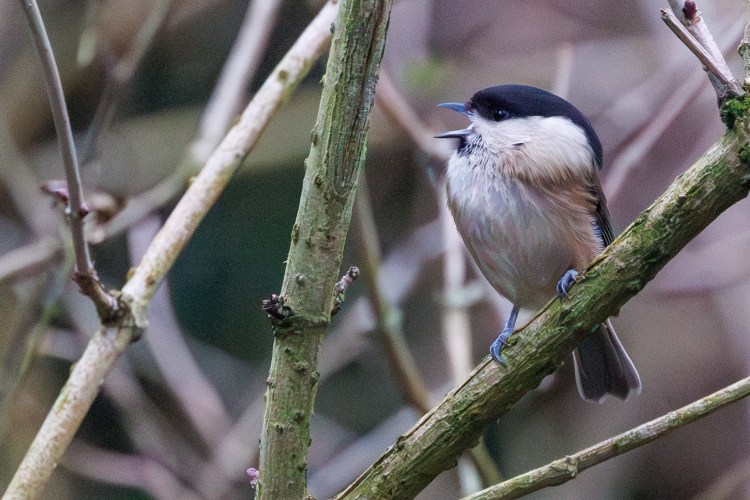
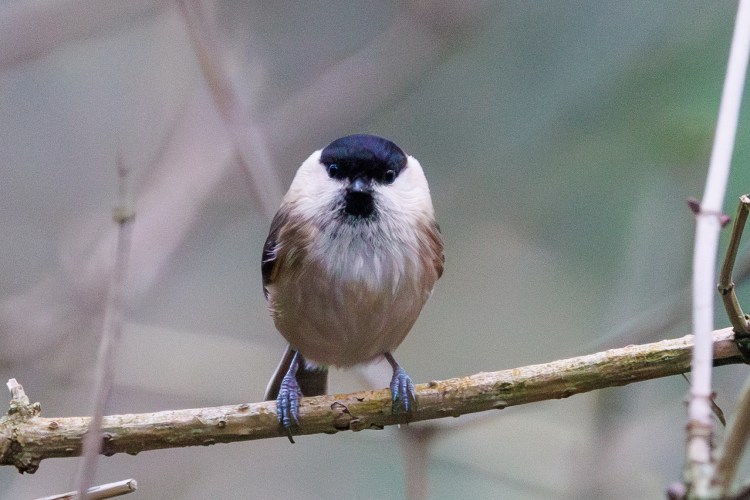
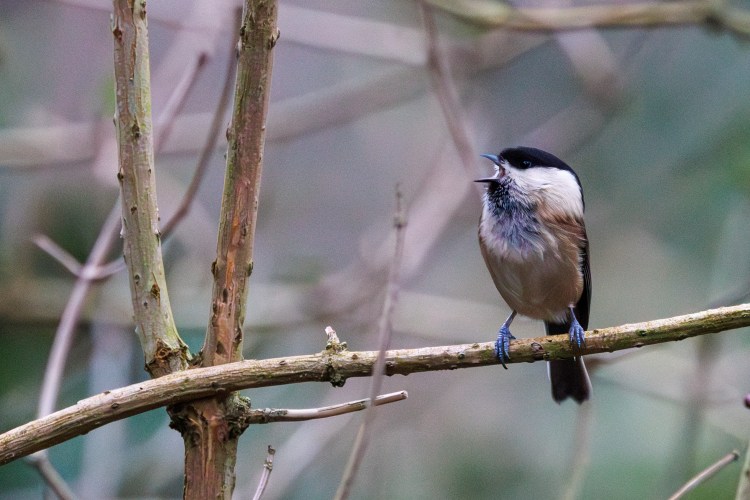
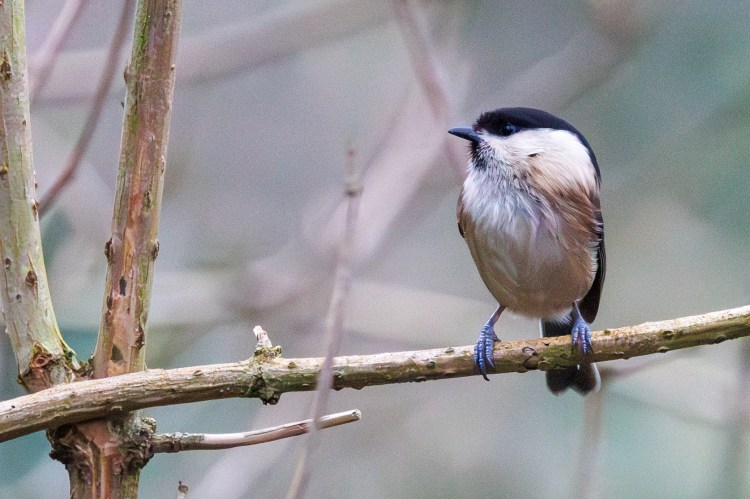
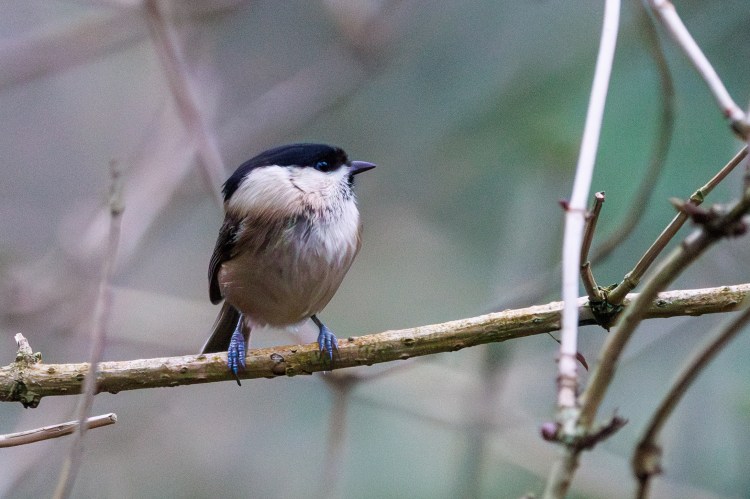
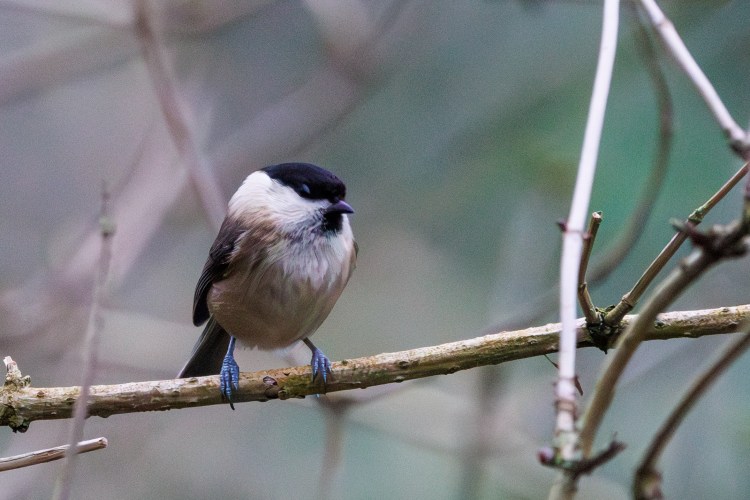
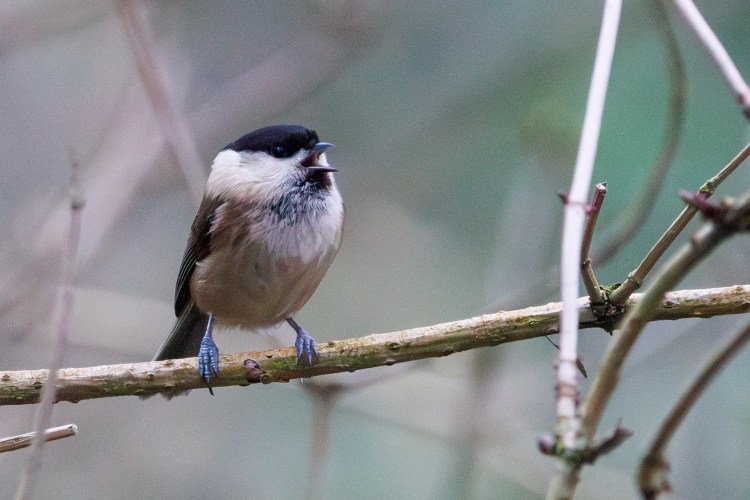
Before the weekend I had shared that I was keen to try for Willow Tit as it was still an omission from my life list. Andy used some of his local contacts (being retired CEO of the BTO has some perks) to find a possible location in the village of Craster. So first thing on Sunday we headed there with hopes high. We took a walk first but weren’t successful, mostly blue, great and coal tits about. But Andy had spotted some promising looking habitat (damp scrub basically) on the drive in so we eventually focused on this and it wasn’t long before a pair of Willow Tits were seen by Rick and I at the same time. It was dark under the canopy but I managed to get a few record shots including the birds calling. Always satisfying to convert a lifer into a photo lifer too.
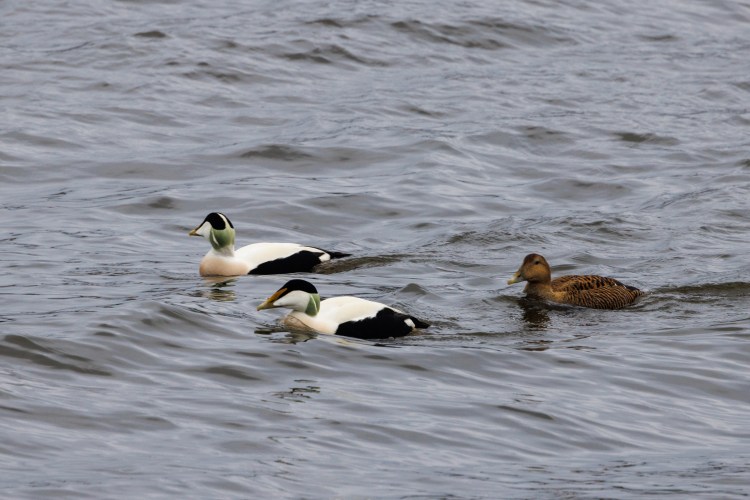
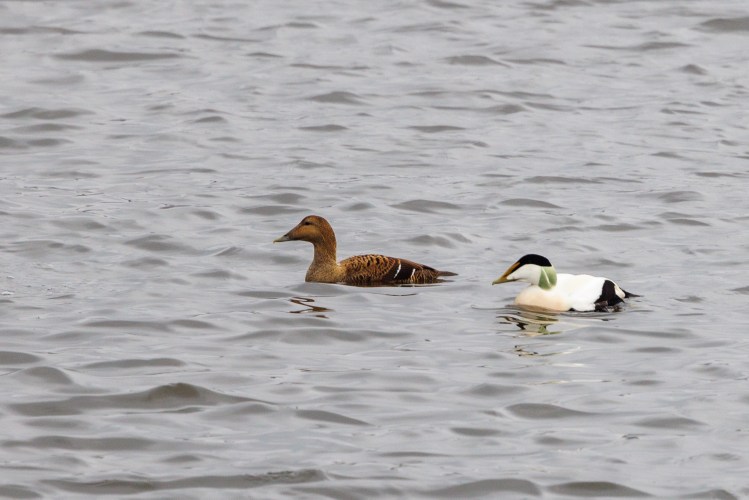
Next up we drove south again to Fish Quay North Shields where an Iceland Gull had been reported. A few Eider Duck swam in the harbour and whilst we did eventually have good views of the Iceland Gull (Andy shouting it out as it flashed past him) I missed the opportunity for a shot as my camera was set for a perched bird and by the time I switched over it had disappeared behind a building and it never returned.
We drove north again hoping to see the Black Scoter off Chiswick Beach but there were only a few Common Scoters on show. We did see two Red-Throated Divers and some distant Gannets for the weekend. Quickly giving up due to the poor visibility, low number of birds and big wave action we headed a few miles south to the causeway onto Lindisfarne which was just opening up as the tide receded.
Using the car as a hide provided an opportunity to get fairly close to some of the birds including a single Knot and several Redshank and Curlews.
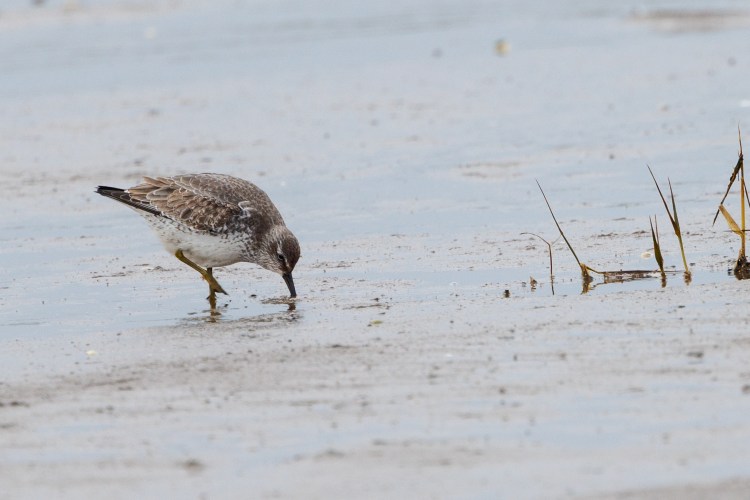
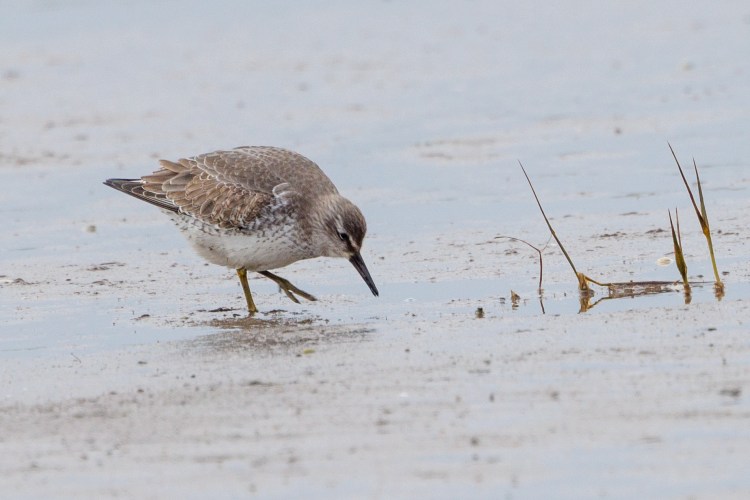
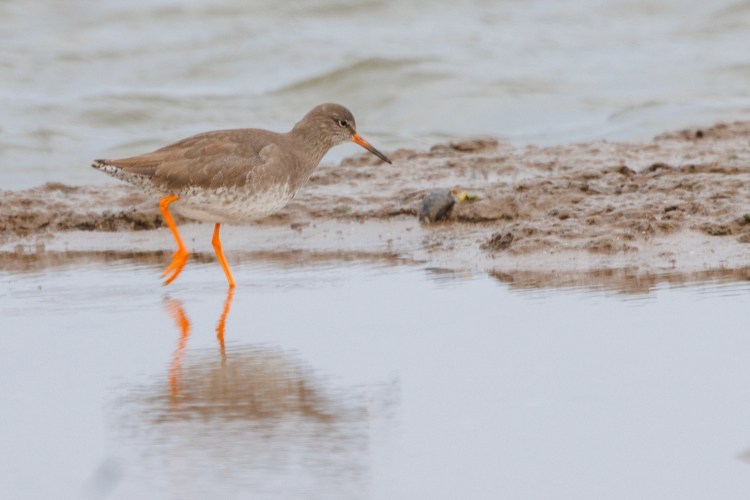
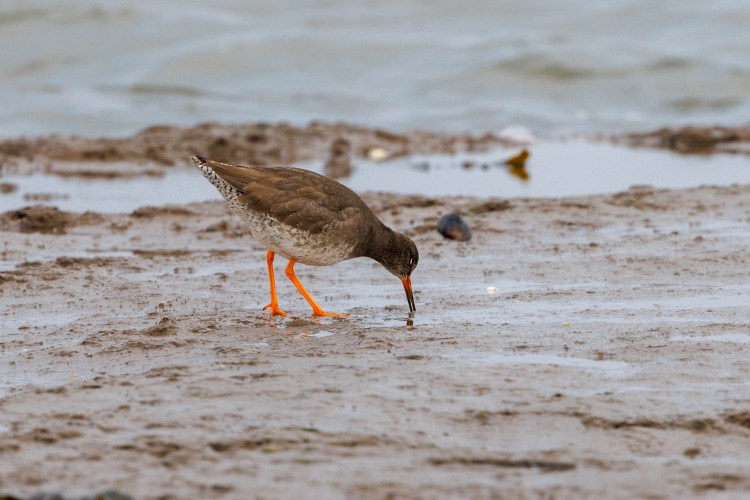
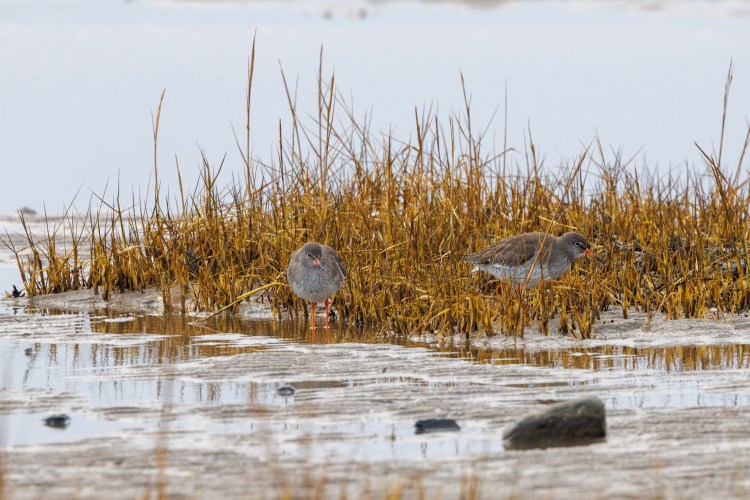
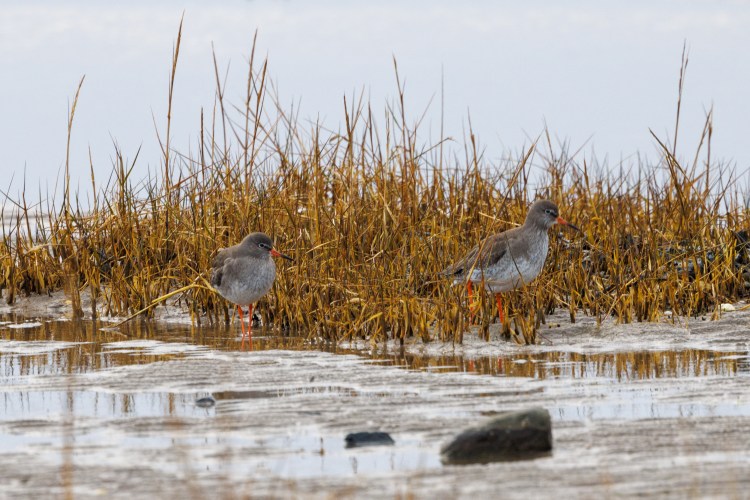
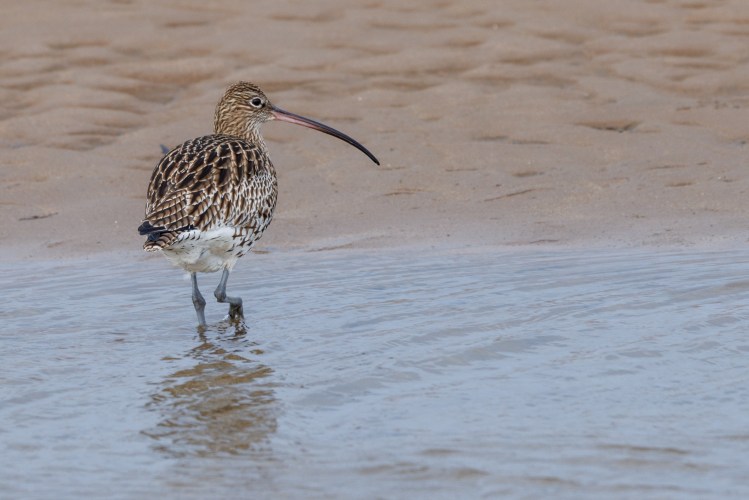
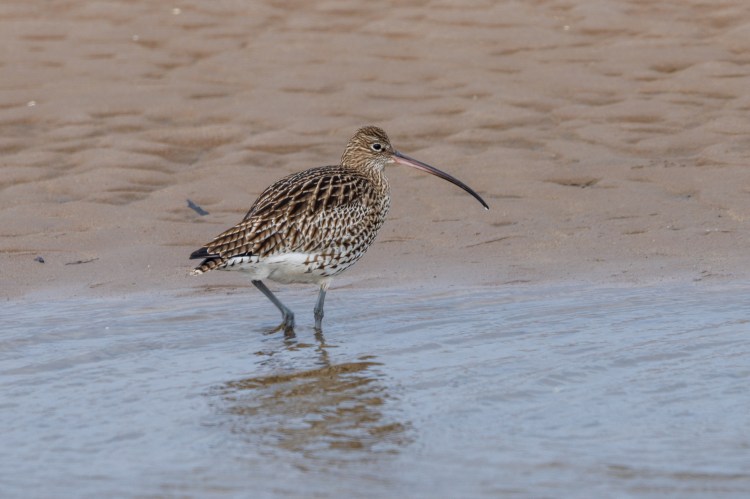
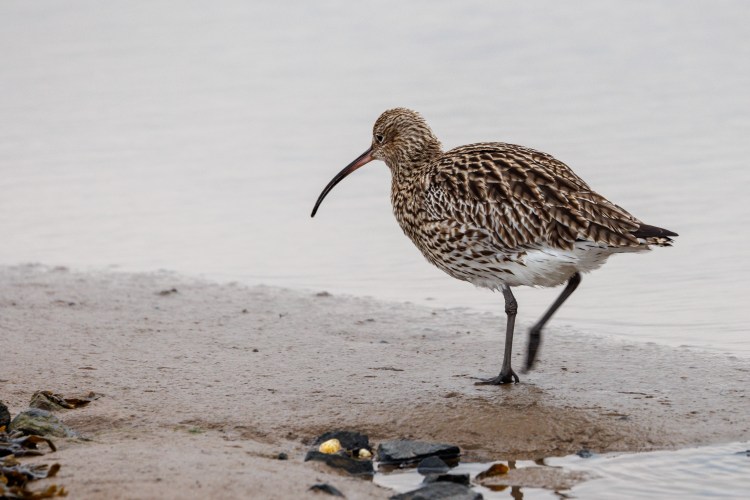
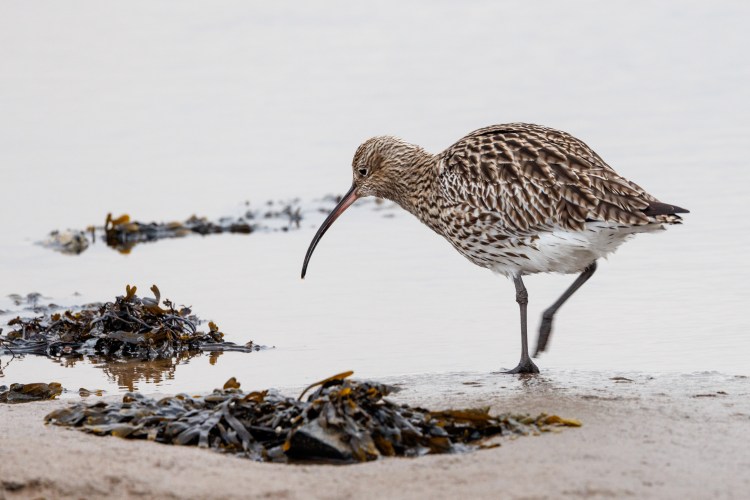
Once on the island itself a couple of Bar-Tailed Godwit, Turnstone and Shelduck also provided good photo opportunities as they fed on the mudflat.
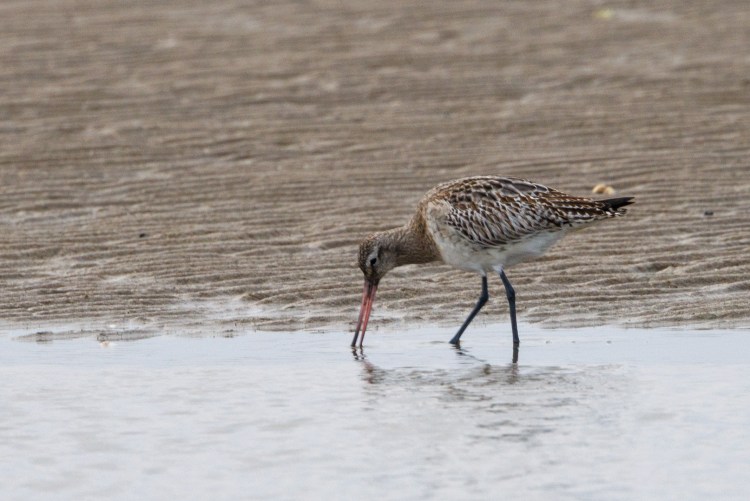
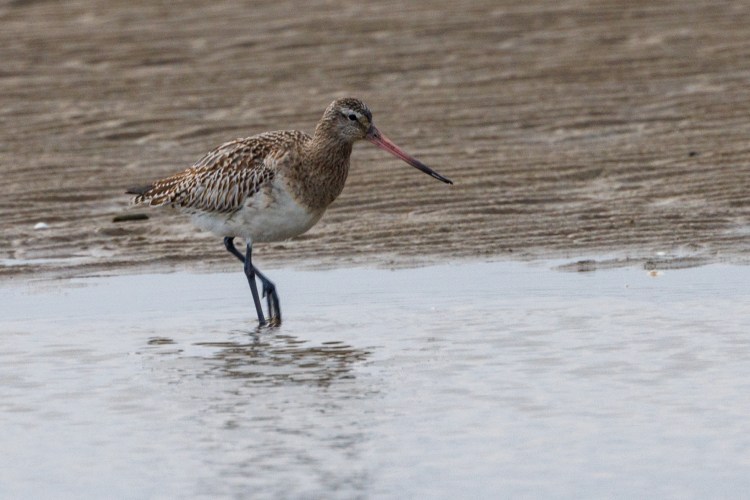
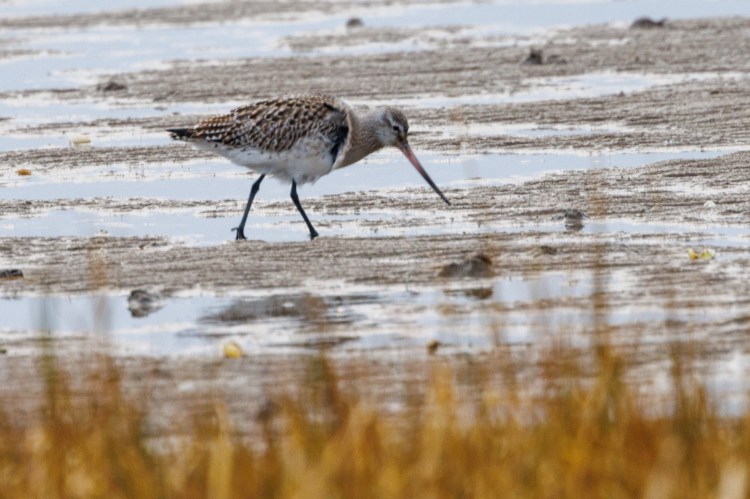
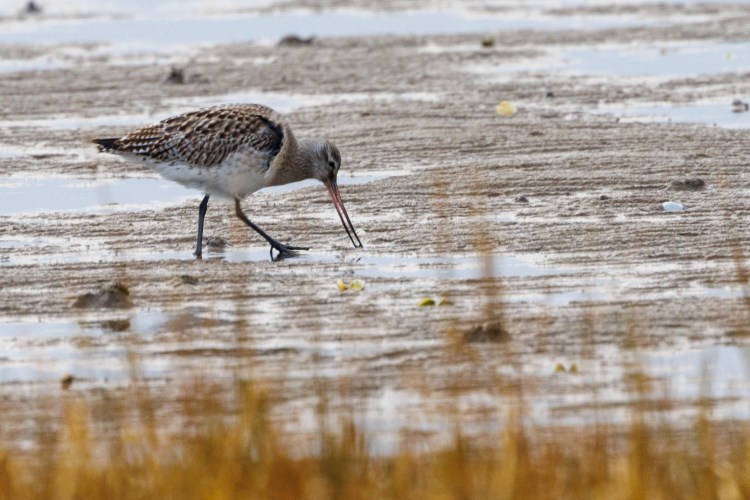
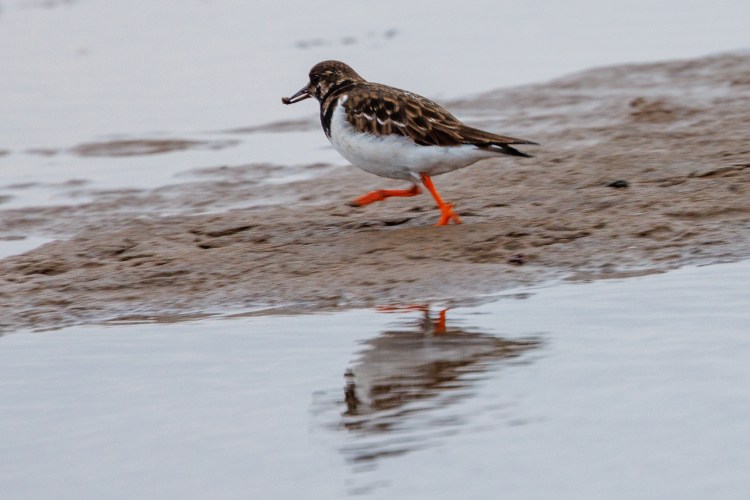
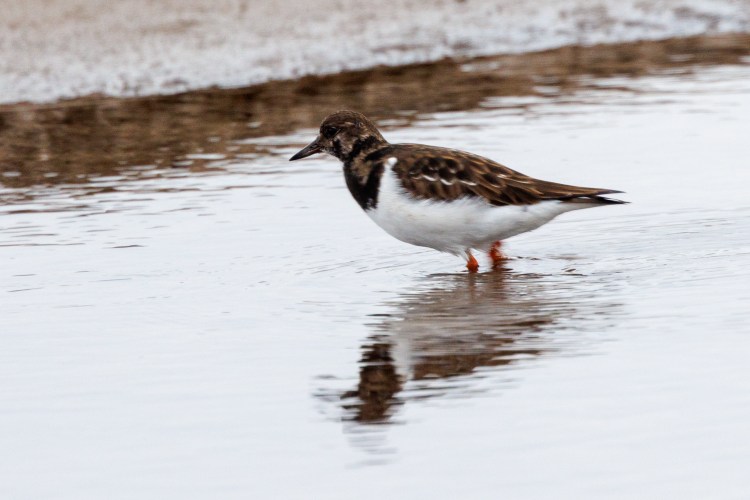
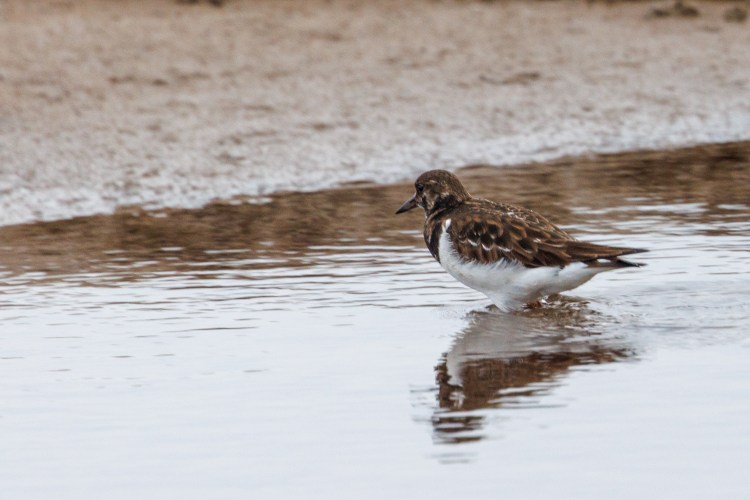
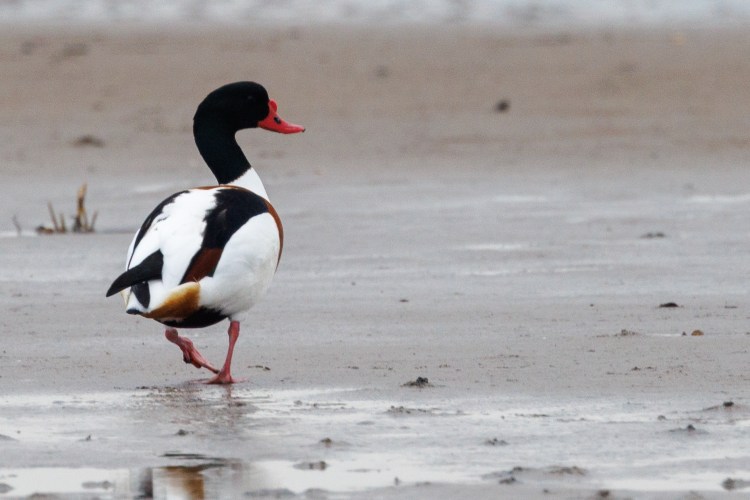
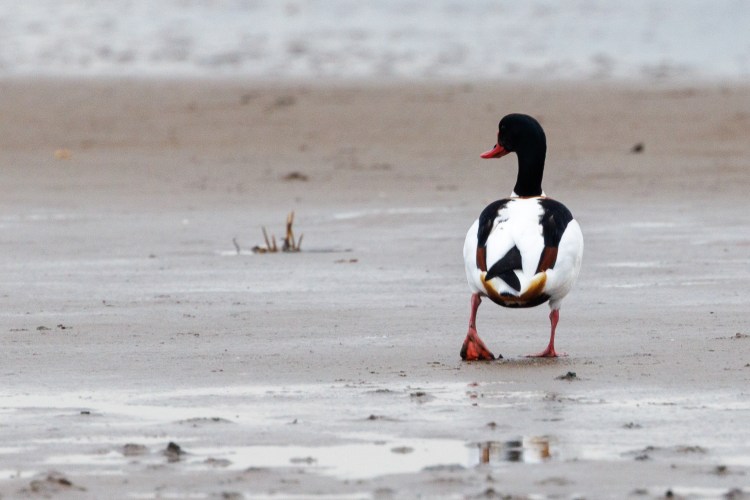
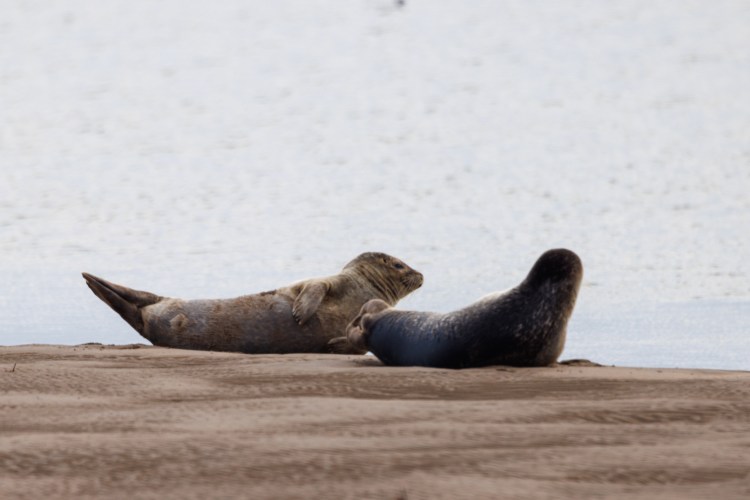
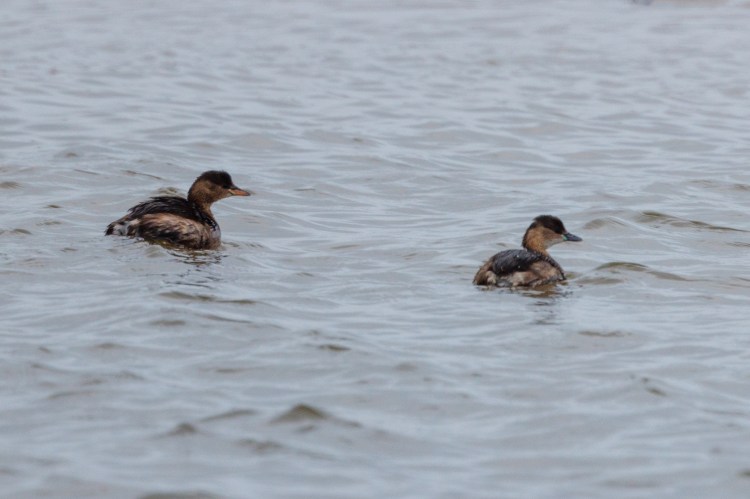
Driving off the causeway revealed a couple of Seals hauled out on the mud and a few Little Grebe. The last bird as we left the mudflats was a lovely Little Egret which I still needed for my year list.
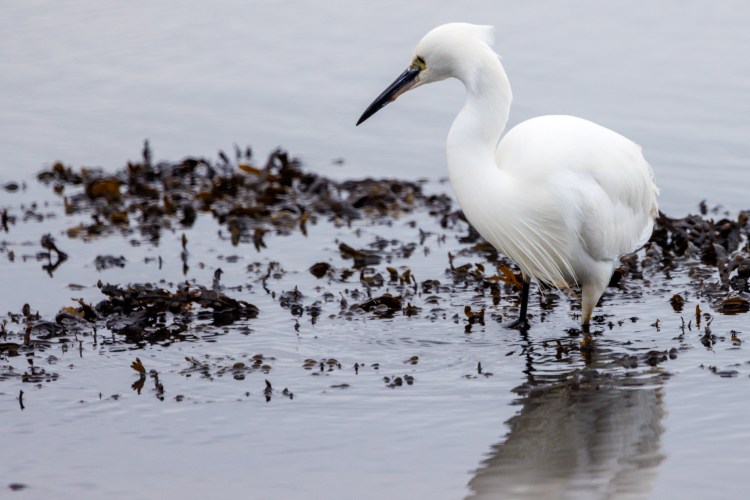
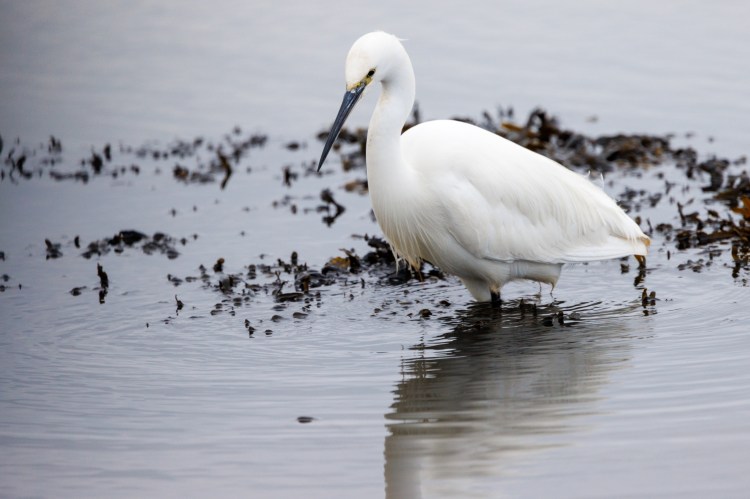
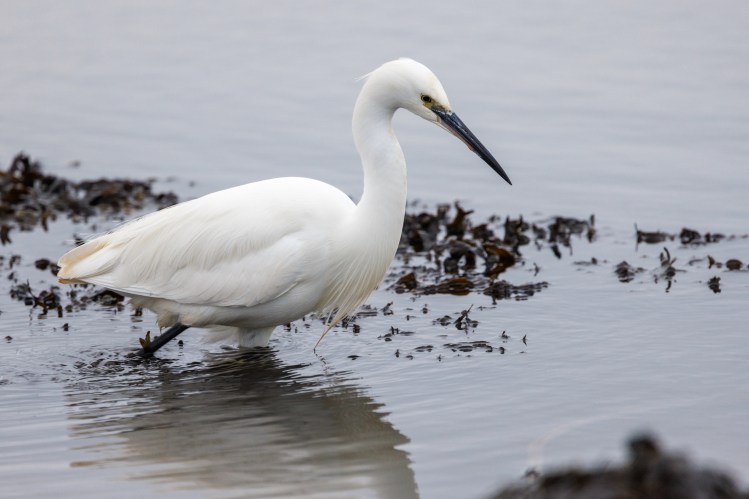
Rick and I parted company with Andy who needed to head south and drove across the border back into Scotland stopping at a large farm pond where a Green Winged Teal had been recorded. There were a huge number of Teal to look through and the light was fading fast. Rick had the scope whilst I was carrying my camera hoping to photograph the last species of the day. It was pretty dark by the time Rick excelled himself and found the bird. Poor light but a nice record shot of this subspecies – note the white vertical stripe rather than the usual horizontal one.
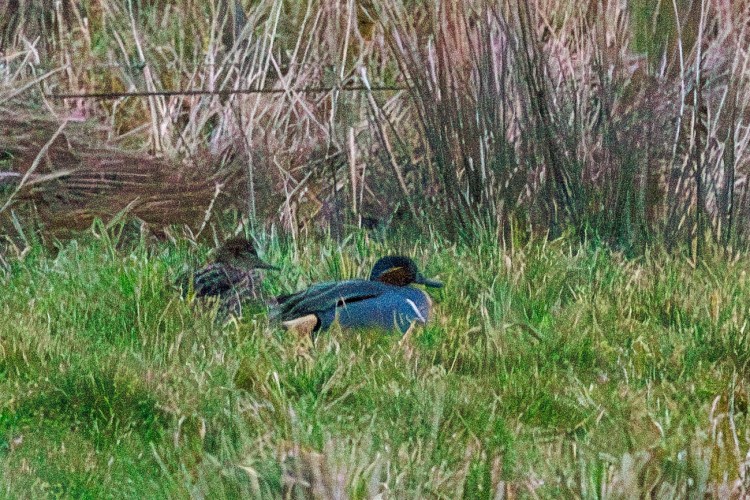
We had certainly made the most of the daylight! We had a total of 71 species for the weekend with a good number of interesting birds – Green Winged Teal, Iceland Gull, Tundra Bean Goose, Purple Sandpiper, Willow Tit probably being the highlights.
I also felt I had improved slightly as a birder learning something from both Andy and Rick. Andy’s knowledge of habitat for the Willow Tits had proved decisive and resulted in me seeing this lovely bird. Similarly, Rick’s persistence looking through the Pink Feet for the Tundra Bean Goose and similarly through the Teal for the Green-Winged had also proven the power of persistence with a scope. Thanks guys, let us do it again sometime.

 WildScot Photography
terrific! 33Out and About in February & March
LikeLike